Free written scope consultation - allowances, timeline, and change-order rules on paper before a single trade is scheduled
Cambria Home Additions & ADU: The Sacramento Owner's Guide
Cambria quartz countertops get the spotlight, but the real test of a home addition or ADU comes from how the material integrates with the structure around it: the substrate, the seams, the overhang support, and the connection points where kitchen walls meet new framing. In Sacramento, we install Cambria in additions and accessory dwelling units that run $45,000 – $130,000 for the full build, with the countertop portion typically landing between $2,000 and $6,500 depending on slab size and edge profile. Most homeowners call us when they notice a failing seam, a cracked overhang, or a countertop that has pulled away from the wall in an addition that was framed just a few years ago, usually because the original installer skipped a movement joint or set the slab on a substrate that flexed with Sacramento's seasonal soil shift. The fix is usually not the Cambria itself. It's what sits underneath it, and that's a repair we handle directly.
Which Cambria Models This Applies To
Cambria manufactures its quartz in oversized slab formats, and the brand runs every collection – from the marble-look Brittanicca and Torquay to the darker Elegance and Coastal series – through the same dimensional spec: nominal 2 cm and 3 cm thicknesses, with 3 cm the standard for kitchen islands and unsupported overhangs in Sacramento additions. The compatibility question is not really about the pattern. It's about the fabrication profile and the support structure beneath it. If your addition or ADU was built with 2 cm Cambria on a plywood or MDF substrate, that's the configuration we see fail first here, because Sacramento's hot, dry summers and wet winters cause wood substrates to expand and contract at a different rate than quartz. Cambria itself almost never warps or delaminates. What fails is the bond line, the seam adhesive, or the framing that supports an overhang on a peninsula or island. When we quote a repair, we identify the slab thickness first, then check whether the builder used the proper cement board substrate (the moisture-resistant layer between the countertop and the cabinet frame) and whether the overhang support meets Cambria's published maximum unsupported span. The OEM-versus-aftermarket decision for Cambria is simple: there is no aftermarket Cambria. The slab is the slab. What you choose aftermarket is the seam adhesive, the caulk, and the support brackets, and we spec those to match the 3 cm profile rather than whatever was cheapest at the big-box store.
Styles & brands we work with
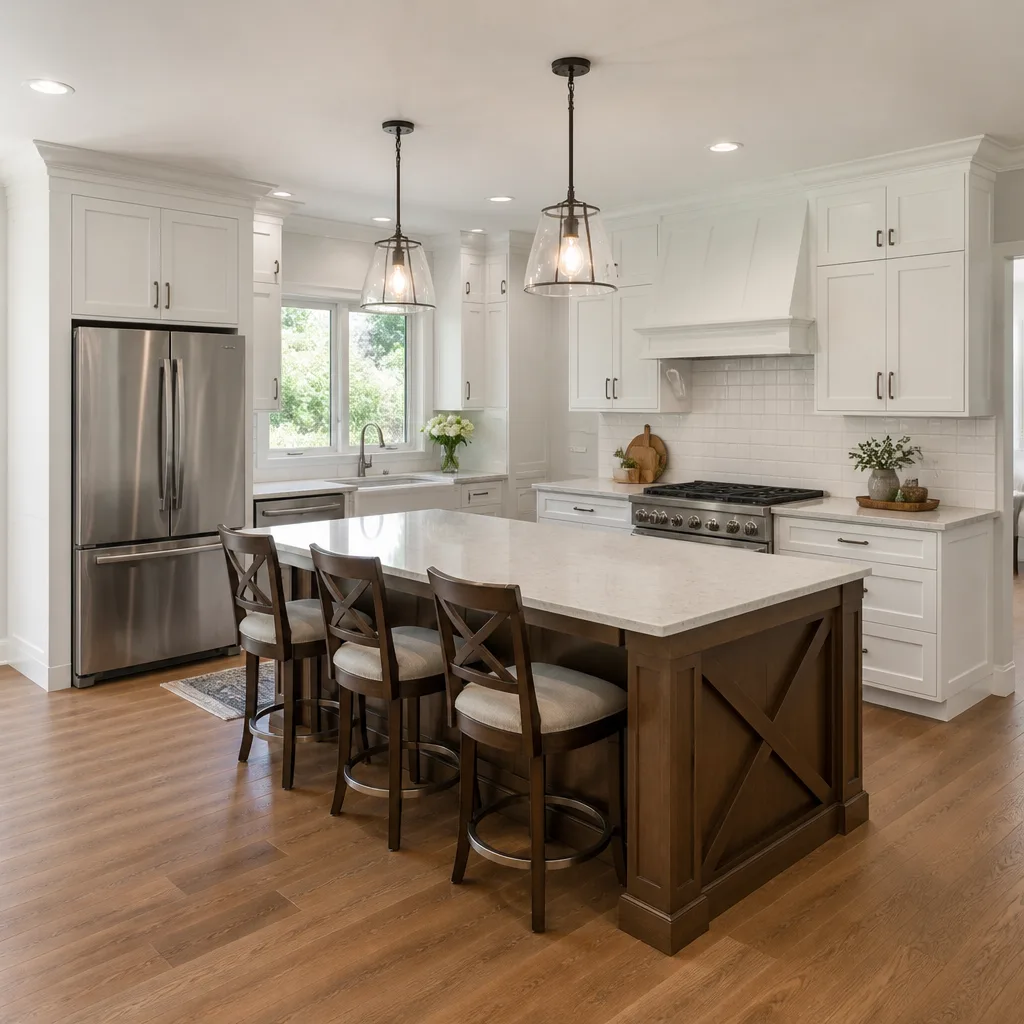
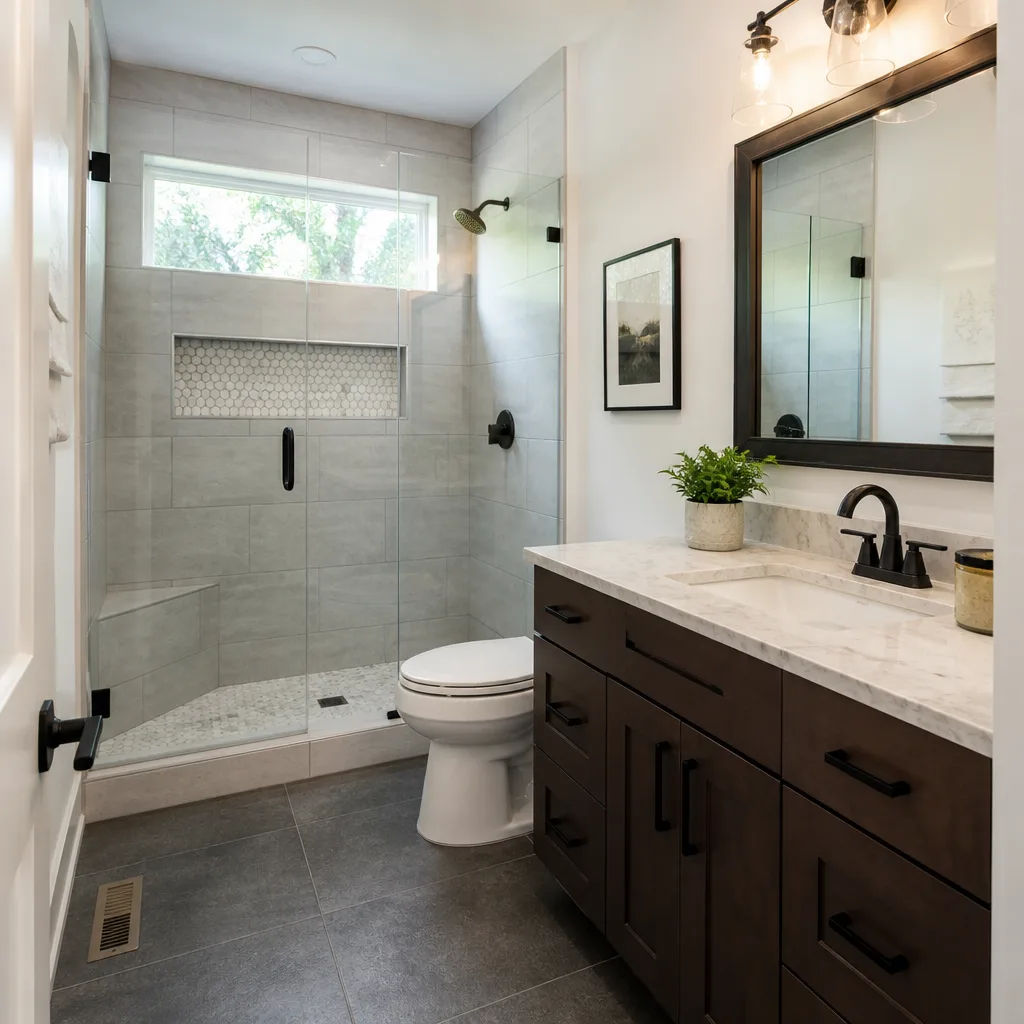
Signs Your Cambria Home Addition or ADU Countertop Is Failing
- A hairline crack near the sink or cooktop cutout. This usually means the fabricator left the cutout corners too sharp, or the cabinet frame below is flexing under weight in an addition that hasn't settled evenly. Quartz does not bend; it finds the stress point and cracks there.
- A seam that you can feel with a fingernail. Seam adhesive degrades over time, and in Sacramento's temperature swings, a cheap polyester adhesive will shrink and pull the two slabs apart at slightly different heights. A proper repair means routing out the old seam and re-bonding with color-matched epoxy.
- Caulk pulling away from the backsplash or wall. This is seasonal movement, not a Cambria defect. When the new addition settles, the wall moves a fraction and the caulk line tears. We re-cut and re-caulk with a high-elongation silicone rated for movement joints.
- An overhang that bounces when you lean on it. Quartz is heavy. A 12-inch overhang needs steel or corbel support every 30 to 36 inches. If you feel spring in the slab, the brackets were undersized or missing, and the quartz will eventually snap at the support line.
- A dull finish or white haze that won't clean off. This is not a structural failure, but it signals the fabricator polished through the Cambria surface layer or left acidic residue on the slab. Cambria is non-porous, so stains sit on top; haze that won't lift is a polish issue, not a product issue.
See the difference
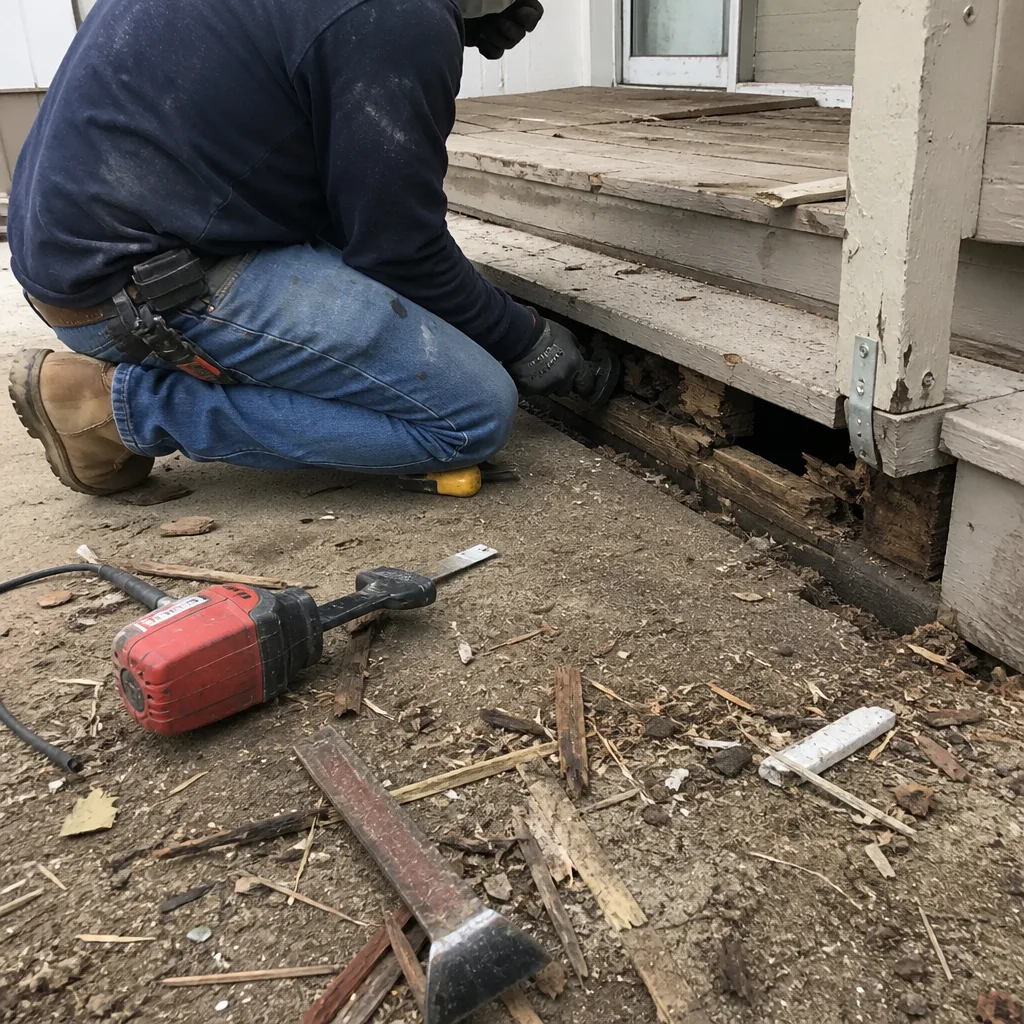 Before
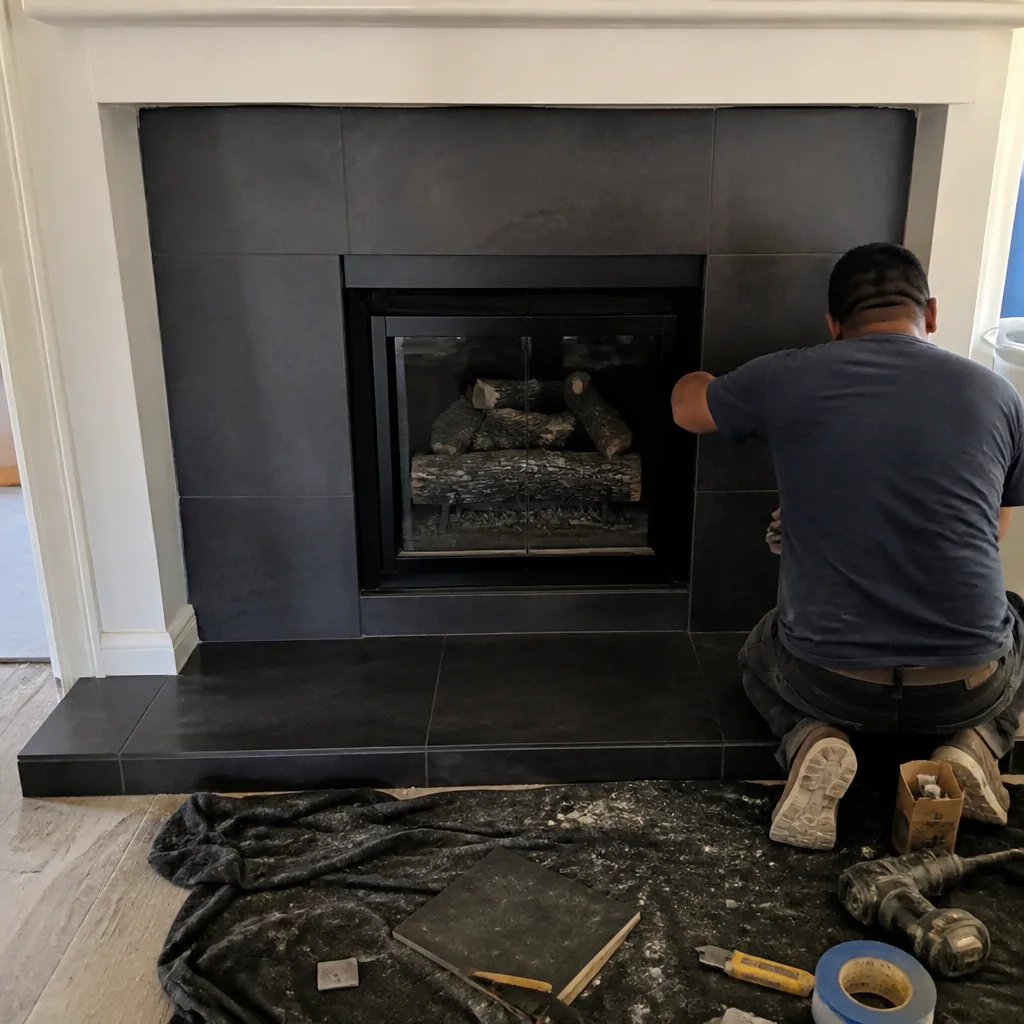 After
After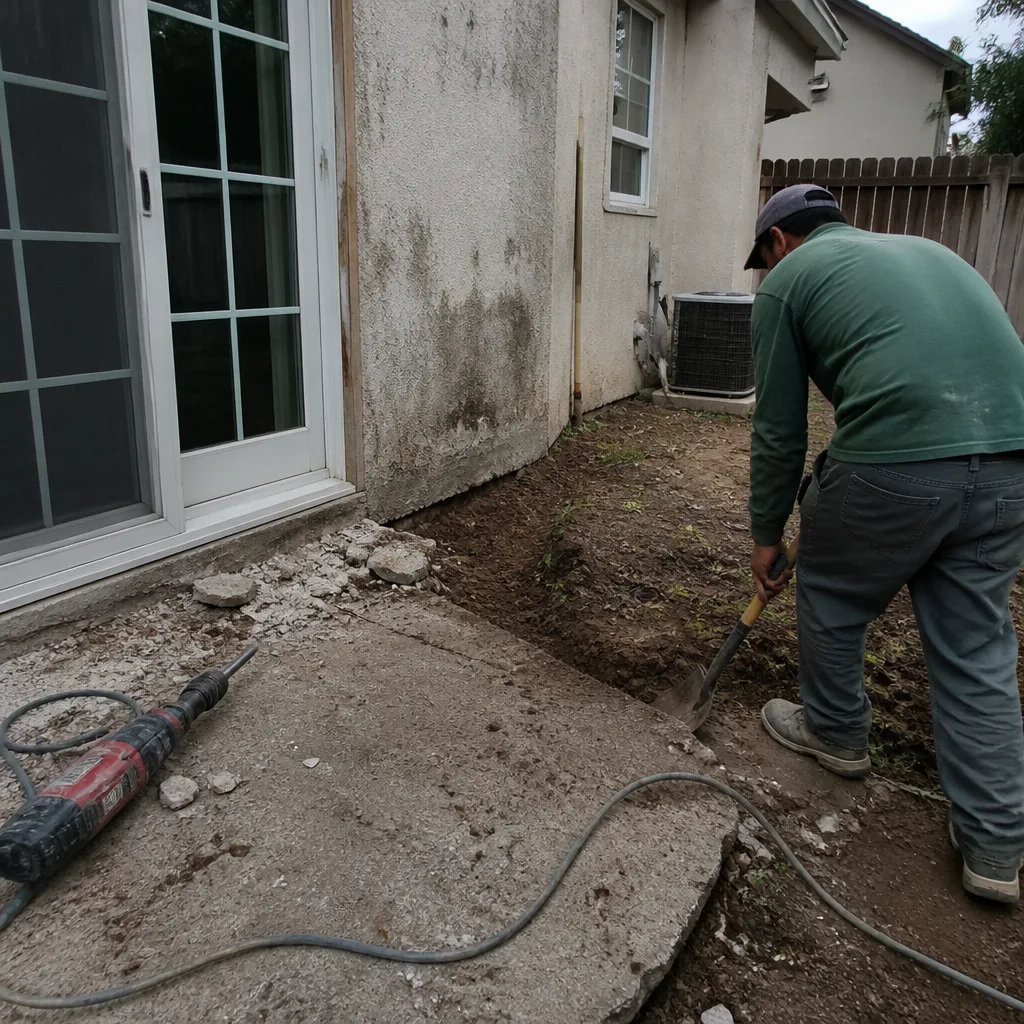 Before
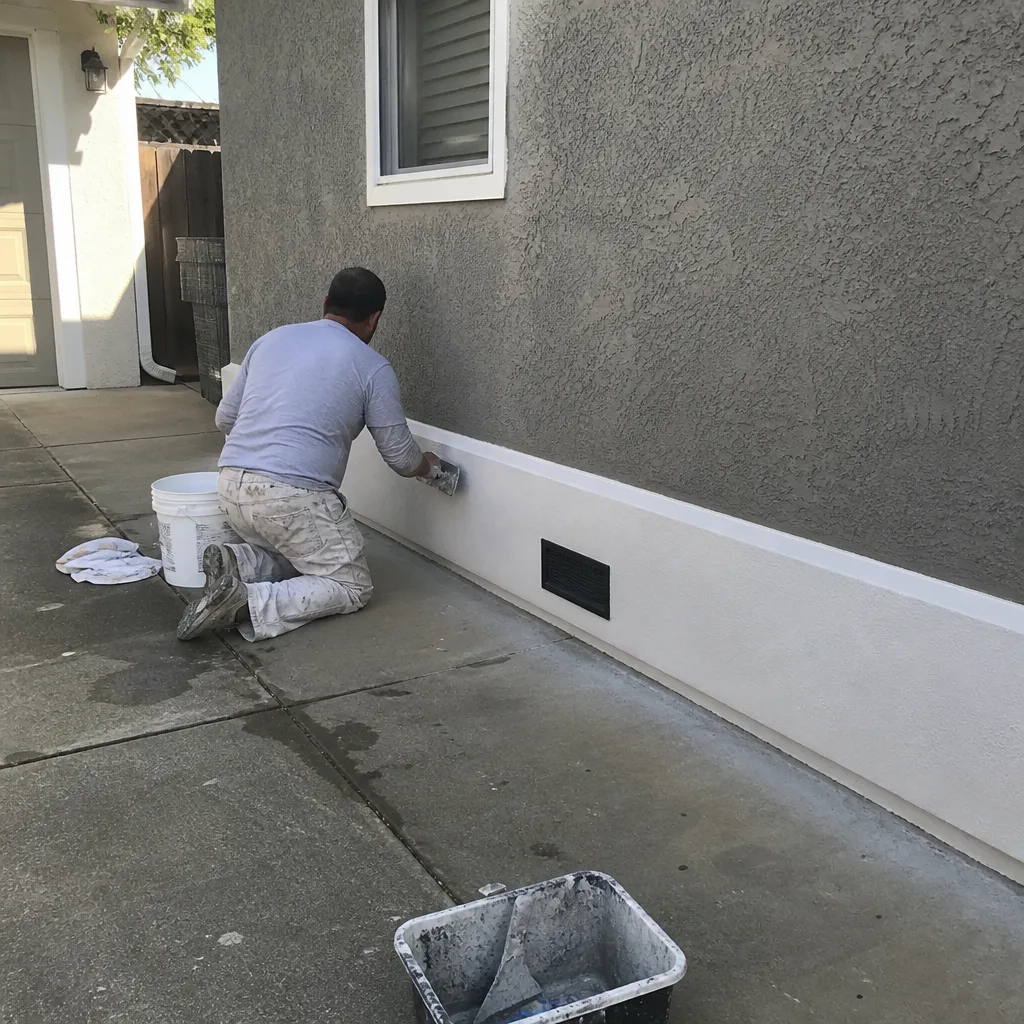 After
After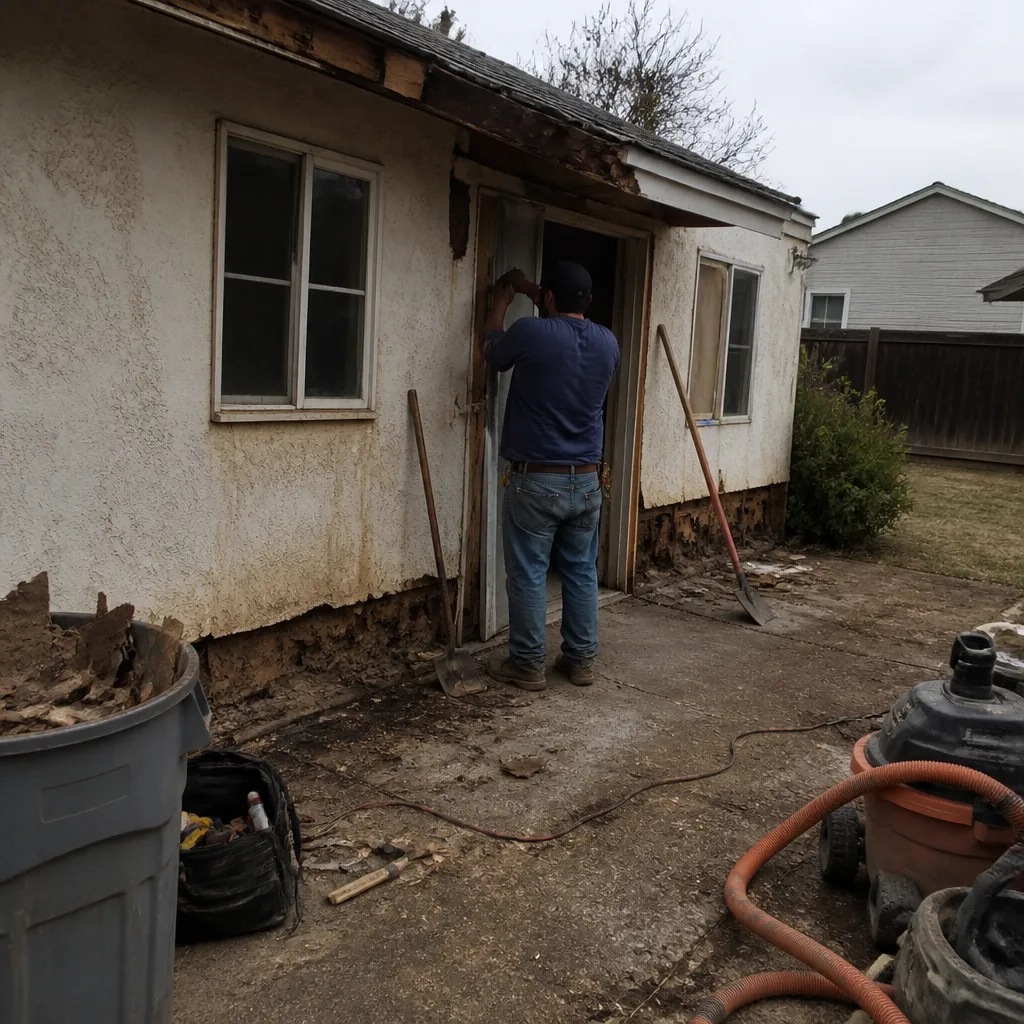 Before
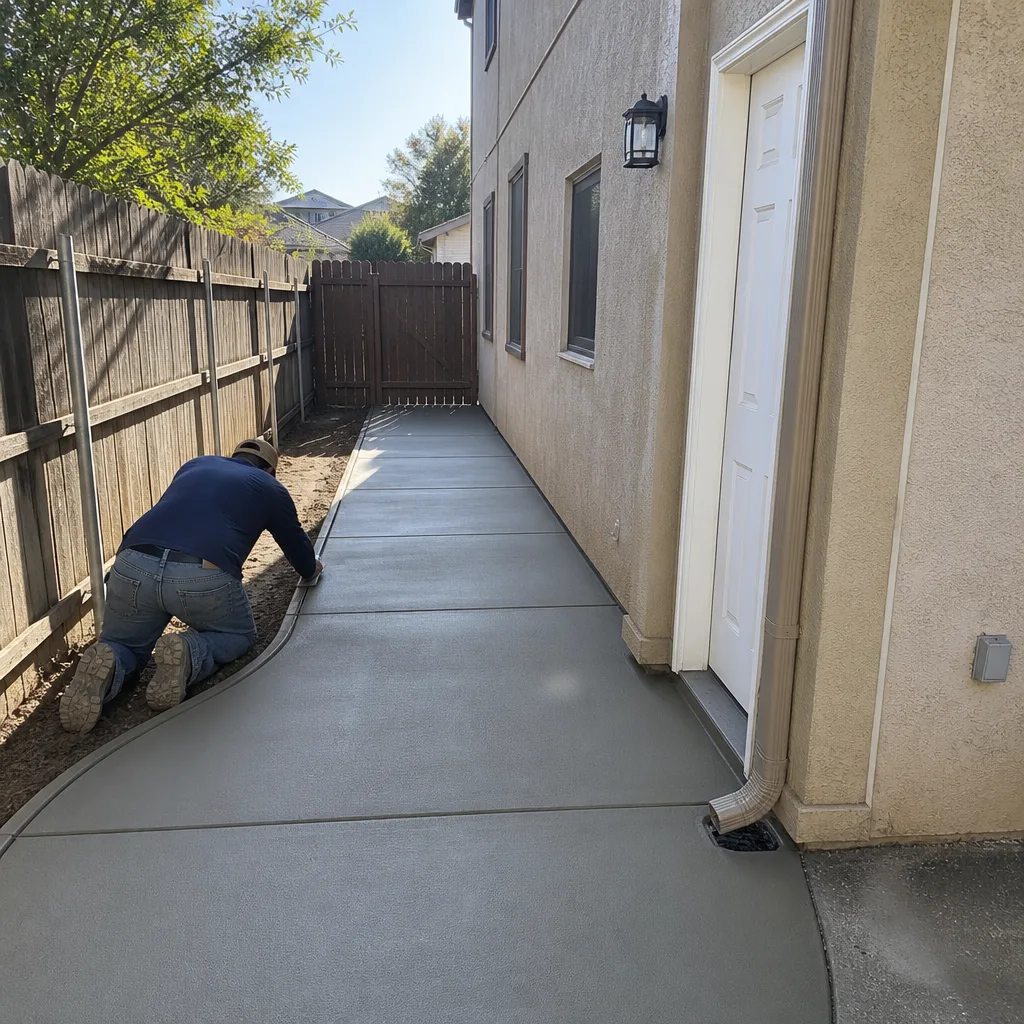 After
AfterReplacement Cost & What's Included
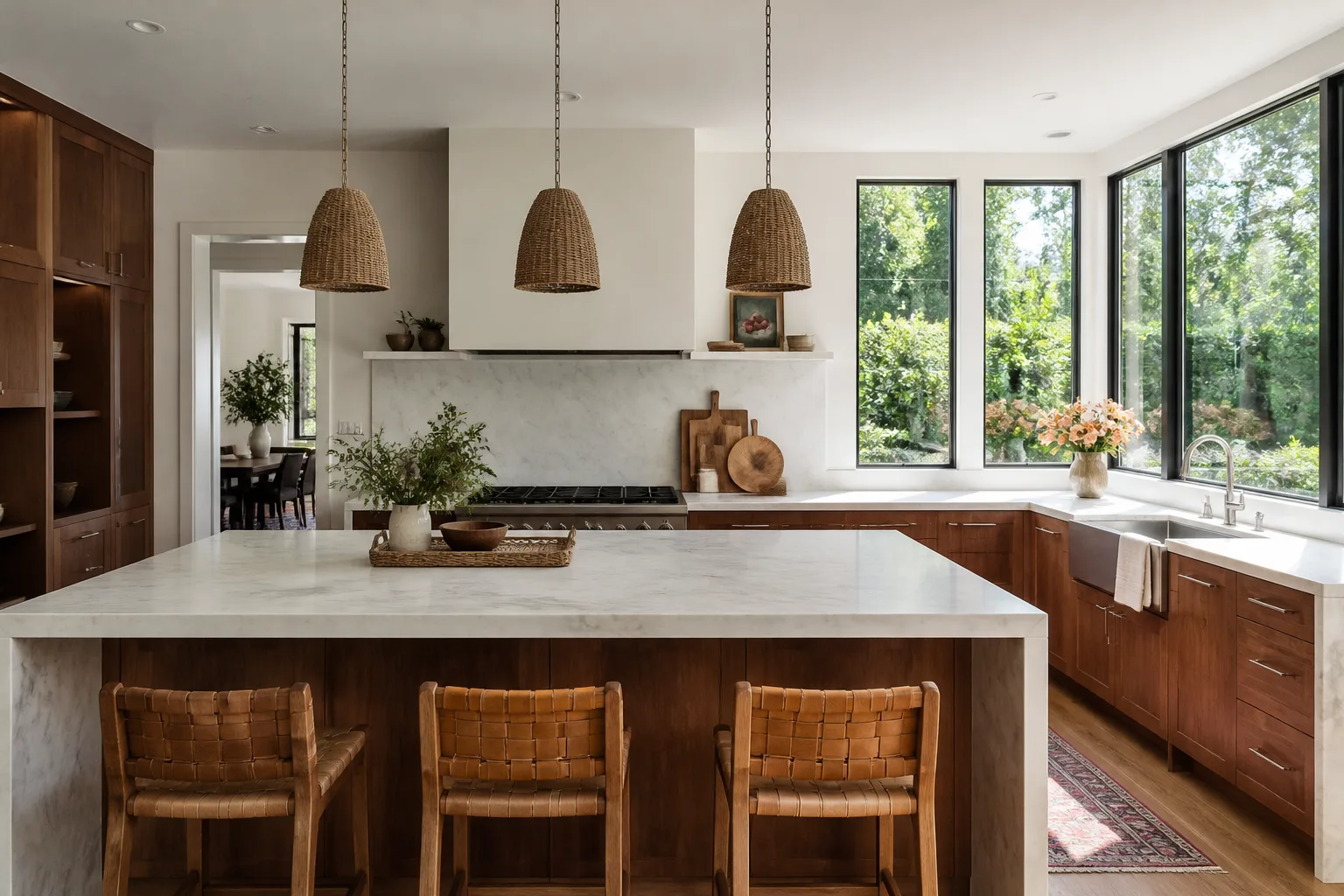
For a full home addition or ADU in Sacramento, the build runs $45,000 – $130,000, and the Cambria countertop portion adds roughly $2,000 – $6,500 depending on square footage, edge profile, and whether you're doing a waterfall island or a standard overhang. A targeted repair – a seam rebuild, a caulk re-line, adding support brackets – typically runs $300 – $1,200. What drives the number higher: a 3 cm slab that must be re-cut to fit a settled cabinet frame, a corner crack that requires a full slab replacement because Cambria cannot be patched invisibly, or an island where we have to open the drywall to sister additional framing behind the support point. We give you a written price before any work starts, and that number is the number on the invoice. The labor, the adhesive, the silicone, the brackets, the cleanup: it's all in the written quote, not added at the door. And every repair carries our 365-Day Done Right Promise. If the seam pulls or the caulk tears inside the guarantee period, we come back and fix it at no charge, no re-inspection fee.
DIY or Call Us?
You can safely re-caulk a gap between the Cambria and the backsplash if you remove the old bead completely and use a movement-rated silicone. You can also tighten a loose cabinet hinge or shim a cabinet corner that has dropped, if you know which corner is bearing the load. What you should not do is attempt to repair a cracked seam, re-set a detached slab, or grind out a polish haze with a rental stone pad. Quartz repair adhesive is not the silicone caulk from the hardware store, and a homeowner with a random orbit sander and a YouTube video can turn a $600 seam repair into a $6,000 slab replacement in about twenty minutes. If the overhang bounces, if the crack runs through the slab, or if water is getting under the quartz and swelling the substrate below, call us at (279) 300-1177. We'll tell you over the phone what we think it is, and we'll put the repair price in writing before we touch the countertop.
FAQs
Cambria quartz is a lifetime product when the support structure is done right; the slab itself does not wear out, but the seam adhesive and caulk around it typically last 8 to 15 years in Sacramento's climate before the movement takes its toll. If your addition is settling or the framing flexes, you'll see caulk tears and seam separation much sooner than that.
A crack near a cutout can sometimes be stabilized with specialty epoxy and a color-matched fill, but a crack that runs through the slab means replacing that piece, because quartz cannot be invisibly patched the way natural stone can. We'll tell you straight which one you're looking at, and the written quote will show exactly what we can and cannot save.
Most seam rebuilds and caulk re-lines are done in one visit, about two to three hours on site. A full slab replacement usually takes one to two weeks because the stone fabricator cuts and polishes the new Cambria to your template before we install it; we manage that scheduling for you and give you a defined arrival window on install day.
We carry the color-matched seam adhesives, movement-rated silicones, and steel support brackets on our trucks for most Cambria collections, so a seam repair or an overhang reinforcement is usually a one-trip job. For full slab replacements we order the Cambria directly through the same trade supply channels, alongside KraftMaid cabinetry, Silestone, and Kohler fixtures when the project scope calls for them.
If you have a Cambria surface in a Sacramento home addition or ADU and something feels off – a seam you can catch with your nail, an overhang that gives, a caulk line that won't stay sealed – call (279) 300-1177. We'll walk you through what we think is happening, and if you want us out there, you'll get a written price and a real arrival window before anyone touches your countertop. That's how we do it on every job, from a kitchen gut-out in East Sacramento to an ADU build near McKinley Park. Tell me what you want the room to feel like, and I'll tell you what it actually takes to get there.
Written by Trevor Nash, Owner, Penhallow Remodeling Sacramento at Penhallow Remodeling Sacramento, serving Sacramento and nearby areas.