


Free written scope consultation - allowances, timeline, and change-order rules on paper before a single trade is scheduled
American Standard Fence Installation: The Sacramento Owner’s Guide
American Standard fence installation in Sacramento typically runs $3,500 to $9,000 for a complete backyard perimeter, depending on linear footage, gate count, and whether we’re pulling out an old fence first. Most jobs wrap in two to four days once materials arrive. The way homeowners usually find us: a windstorm took down a section, the gate started dragging against the concrete, or the posts have rotted at the soil line and the whole run is leaning. If you’re holding a failed panel or staring at a sagging gate right now, we can match the American Standard spacing and height, price it in writing, and get it scheduled without a lot of back-and-forth.
Penhallow Remodeling Sacramento is an independent contractor; we are not affiliated with American Standard. We install fences built to American Standard dimensions and style, and we stock the common hardware that keeps them standing straight: post caps, gate hinges, latch sets, and concrete mix for setting posts.
Key Takeaways
- Full American Standard fence installation in Sacramento averages $3,500 – $9,000 installed.
- Wood posts fail at the soil line faster here than almost anywhere in California; Sacramento’s clay soil holds moisture against the post all winter.
- We carry American Standard-compatible gate hardware on the truck, so most gate repairs happen in one visit.
- Every job gets a written price before work starts and the 365-Day Done Right Promise in writing.
Which American Standard Models This Applies To
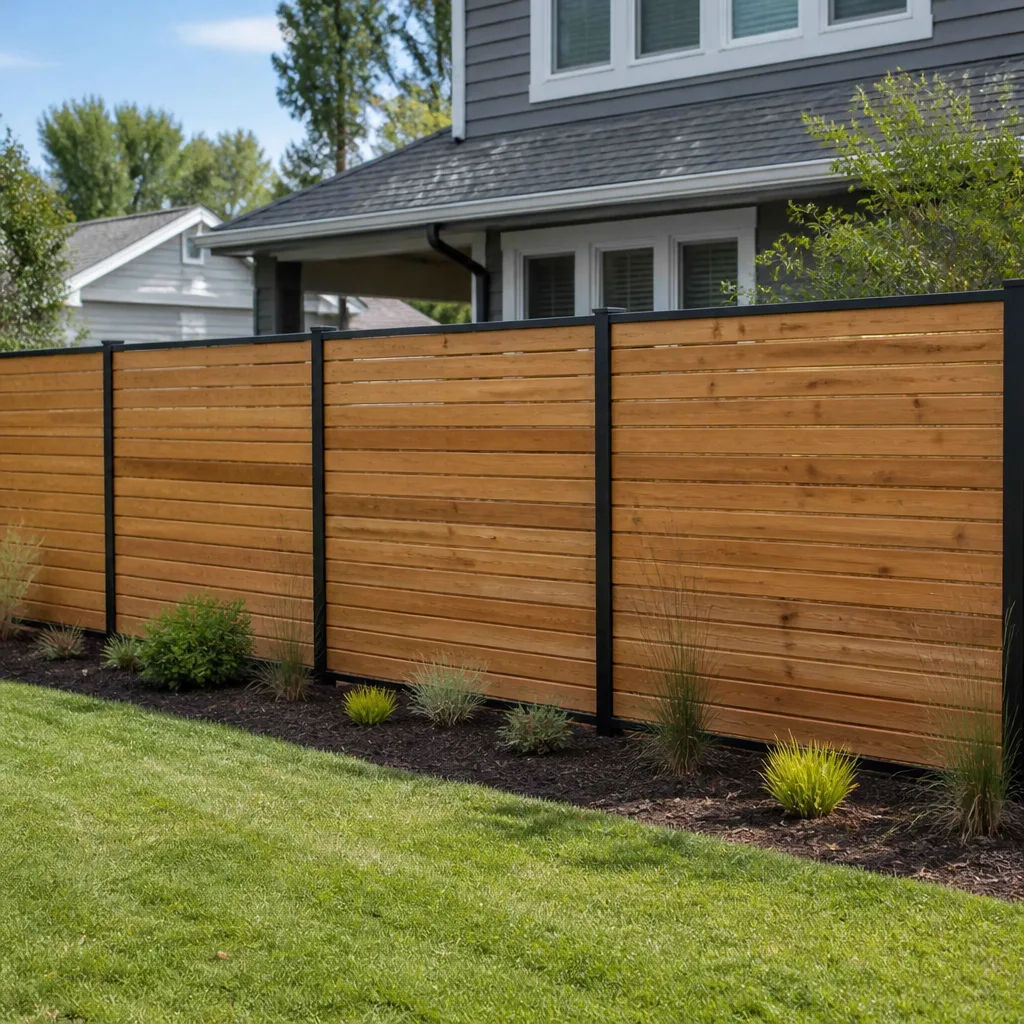
American Standard’s residential fence line falls into two broad camps: the 6-foot privacy panels with dog-eared pickets, and the 4-foot picket style you see fronting a lot of yards in East Sacramento and Land Park. The upright posts are either pressure-treated 4x4s or galvanized steel, and the panels are standard 8-foot sections. The compatibility gotcha that catches people: American Standard’s gate hardware uses a 2-3/8-inch post spacing for hinge mounting, not the 3-inch spacing some big-box gate kits are drilled for. If you grab a generic hinge set off the shelf, the holes won’t line up and you’ll be drilling new ones in a gate that’s already splitting at the edges.
To confirm what you have, look for the small stamped label on the inside of the gate rail or the top edge of a panel. It will list the series name and the year. If the label’s gone, measure the picket width: American Standard uses 5-1/2-inch pickets on most privacy panels, and the rails are 2x4s, not the thinner 1x4s you see on cheaper retail fencing. That difference matters when we cut a replacement section to match, because substituting a thinner rail will make the whole panel read wrong against the neighbors’ side of the fence line.
On the OEM-versus-aftermarket question: for structural parts like posts and rails, we use dimensional lumber that matches American Standard’s original spec. For hardware, we stock aftermarket galvanized and powder-coated equivalents that are built duty-heavier than what came with many original installations, especially the gate hinges. The steel gauge on most aftermarket hinge straps is thicker than OEM, which gives the gate a longer life in Sacramento’s summer heat where thinner hardware sags. We also stock replacement parts for KraftMaid and Cambria line hardware when a project crosses over into hardscape, and we’ve sourced Silestone-matched trim for fence-to-kitchen window sightlines, though that’s rare.
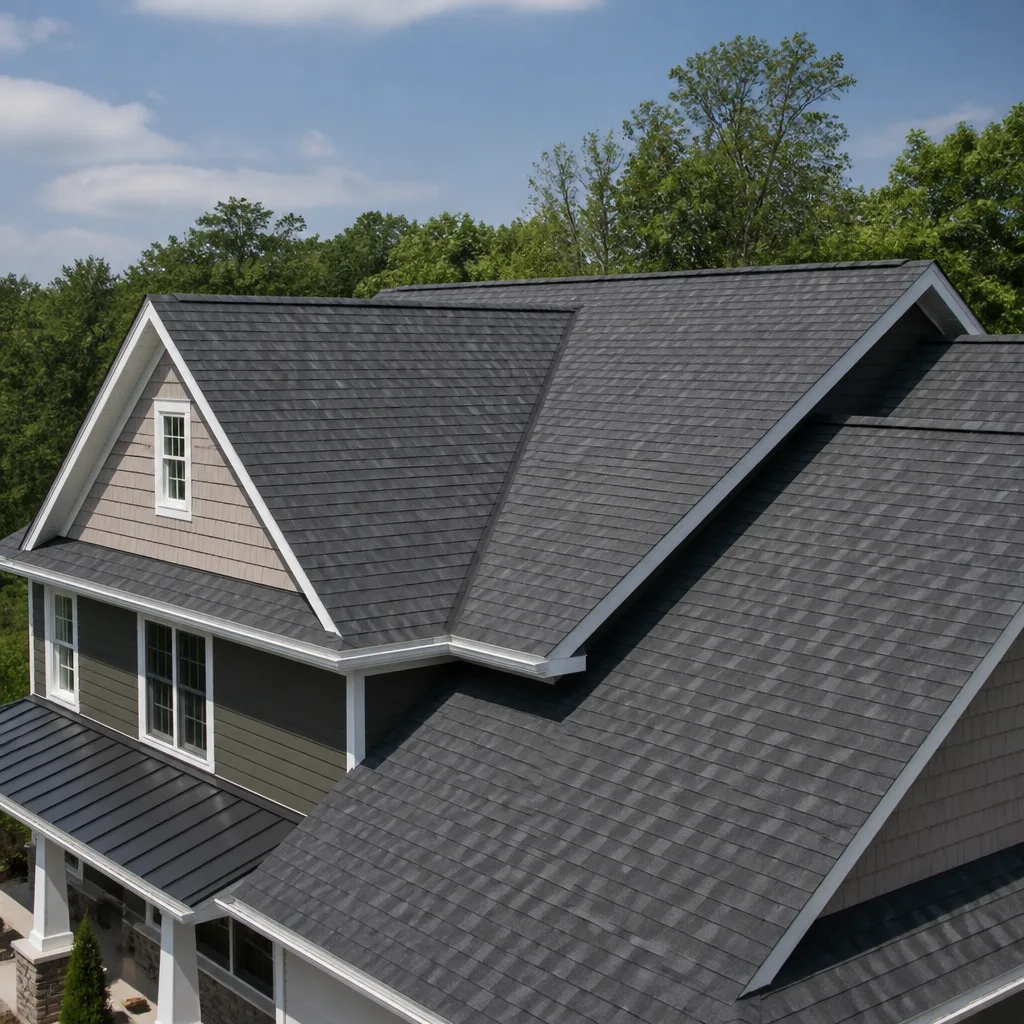
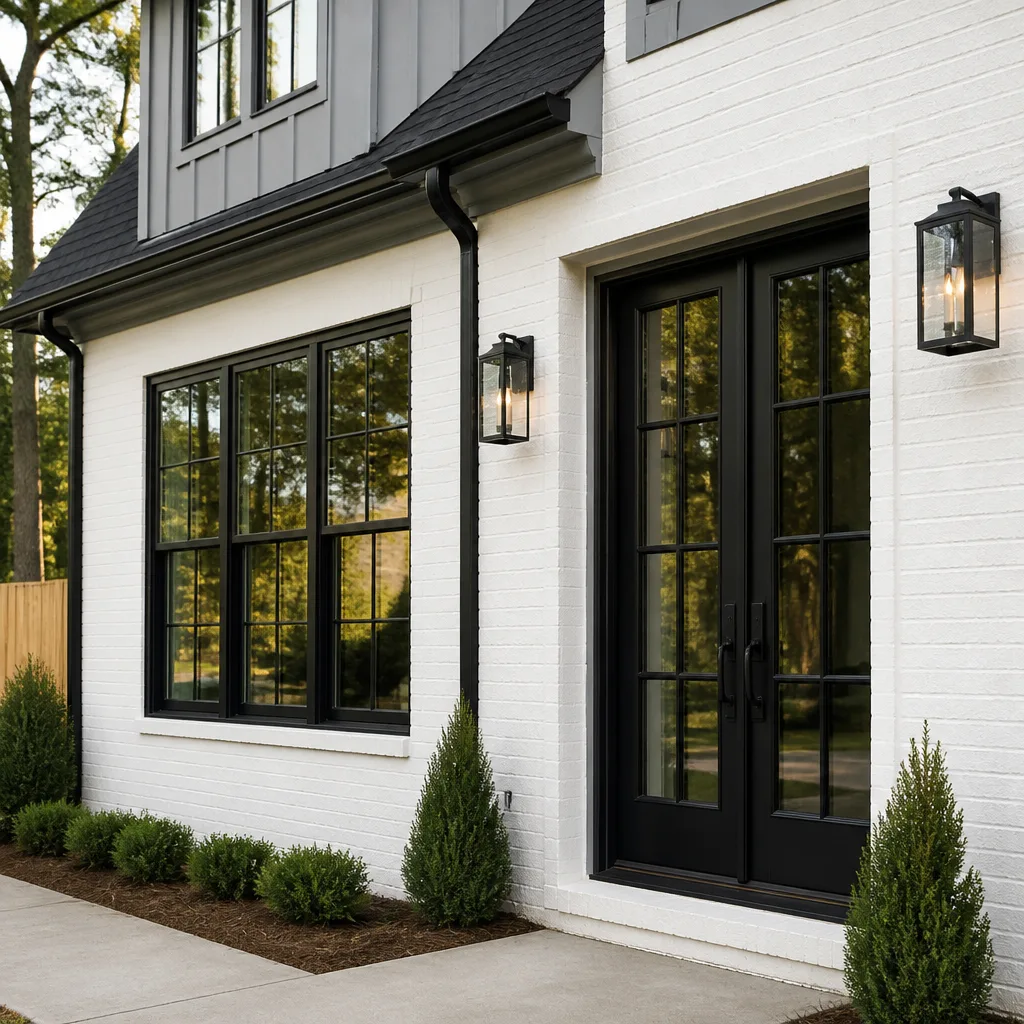
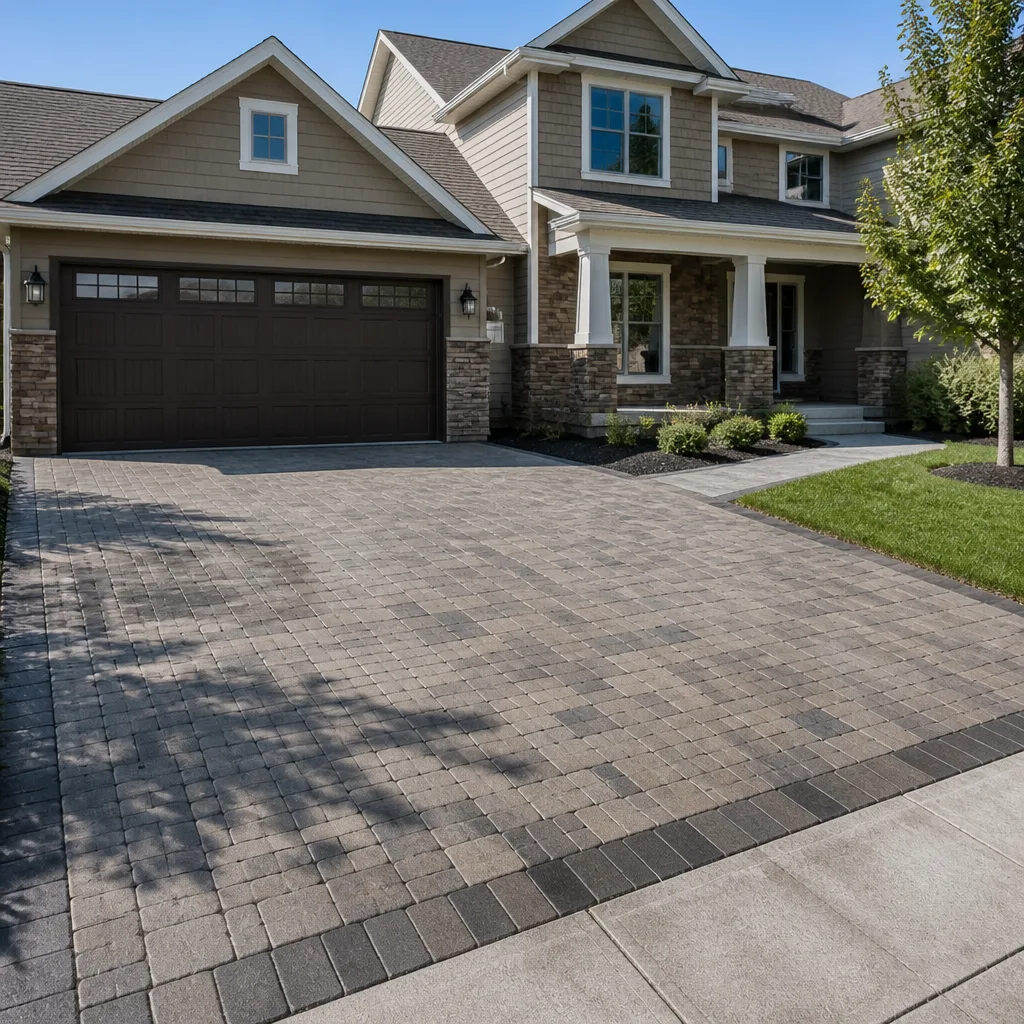
Styles & brands we work with
Signs Your American Standard Fence Installation Is Failing
- Posts leaning at the base. This is the big one in Sacramento. Our clay-heavy soil swells when wet in the winter and shrinks and cracks through the dry summer, and that repeated movement loosens the concrete collar around the post. Water then pools against the wood and the post rots just below grade. You won’t see the rot until we pull the post, but the lean tells you it’s there.
- Gate dragging on the ground. A gate that scraped fine last year now catches the concrete or the grass. Usually the screws holding the hinge to the post have wallowed out from the wood drying and shrinking in the heat. Tightening only works once; after that, the wood’s lost its holding strength.
- Pickets loose or blown out. Sacramento gets real gusts coming through the valley, and a 6-foot privacy panel catches a lot of wind. When pickets start working loose at the bottom rail, the nails or screws have already lost their bite, and the next storm will take the whole panel.
- Rails splitting around the fasteners. This happens most on fences that get full afternoon sun with no shade. The wood dries hard, shrinks, and splits where the rail meets the post. It’s not cosmetic; a split rail loses most of its structural connection.
- Ground clearance disappearing. If the bottom of your panels used to be four inches off the dirt and now one corner is touching, the posts on that side are moving outward. Soil movement plus a fence’s own weight will do it gradually; we see it on most fences older than ten years in the Natomas and Rosemont areas.
See the difference
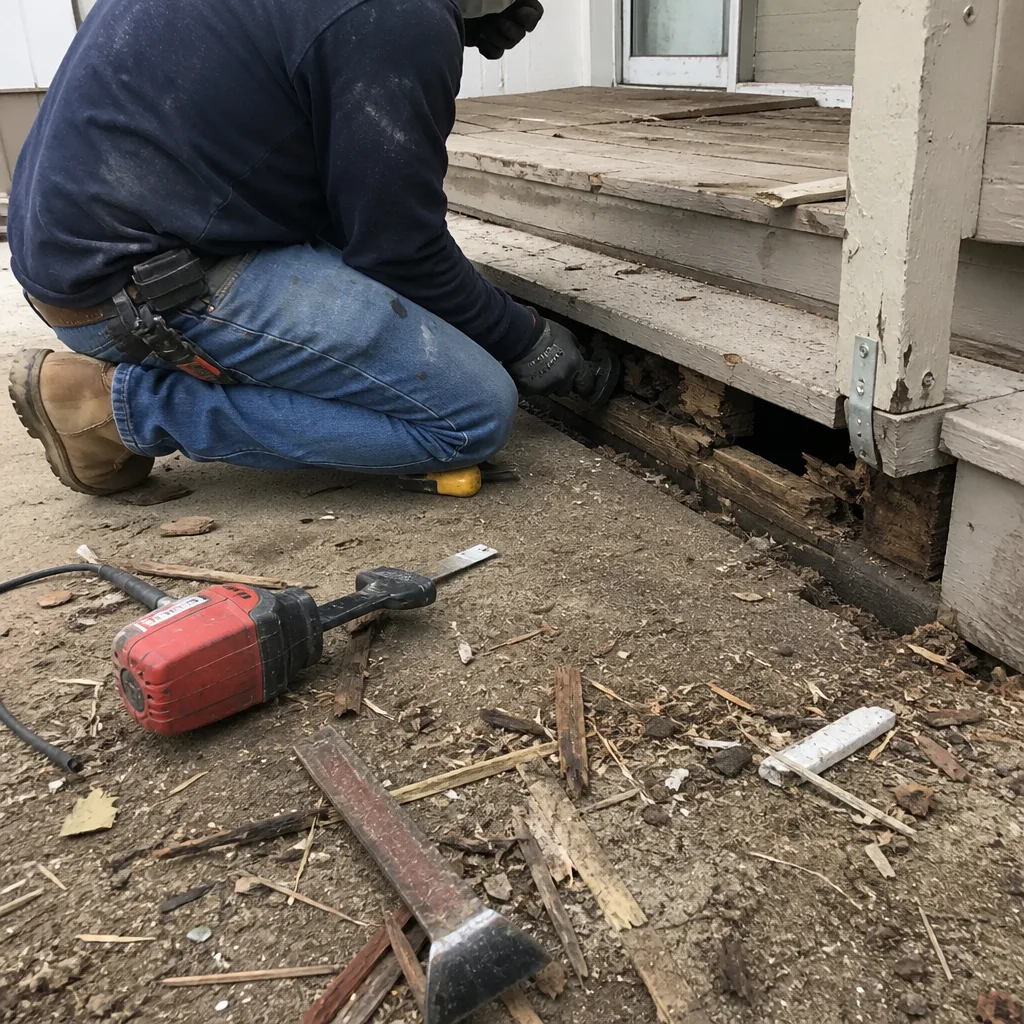 Before
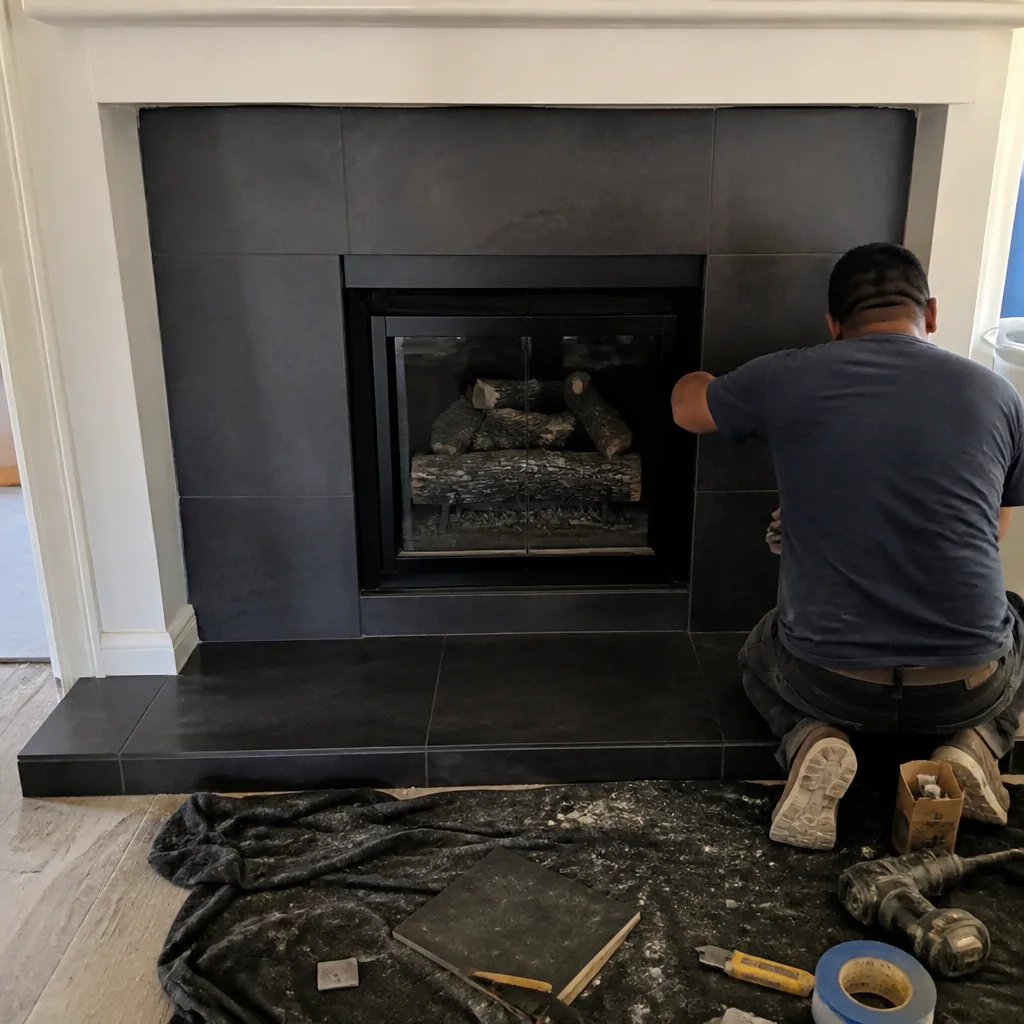 After
After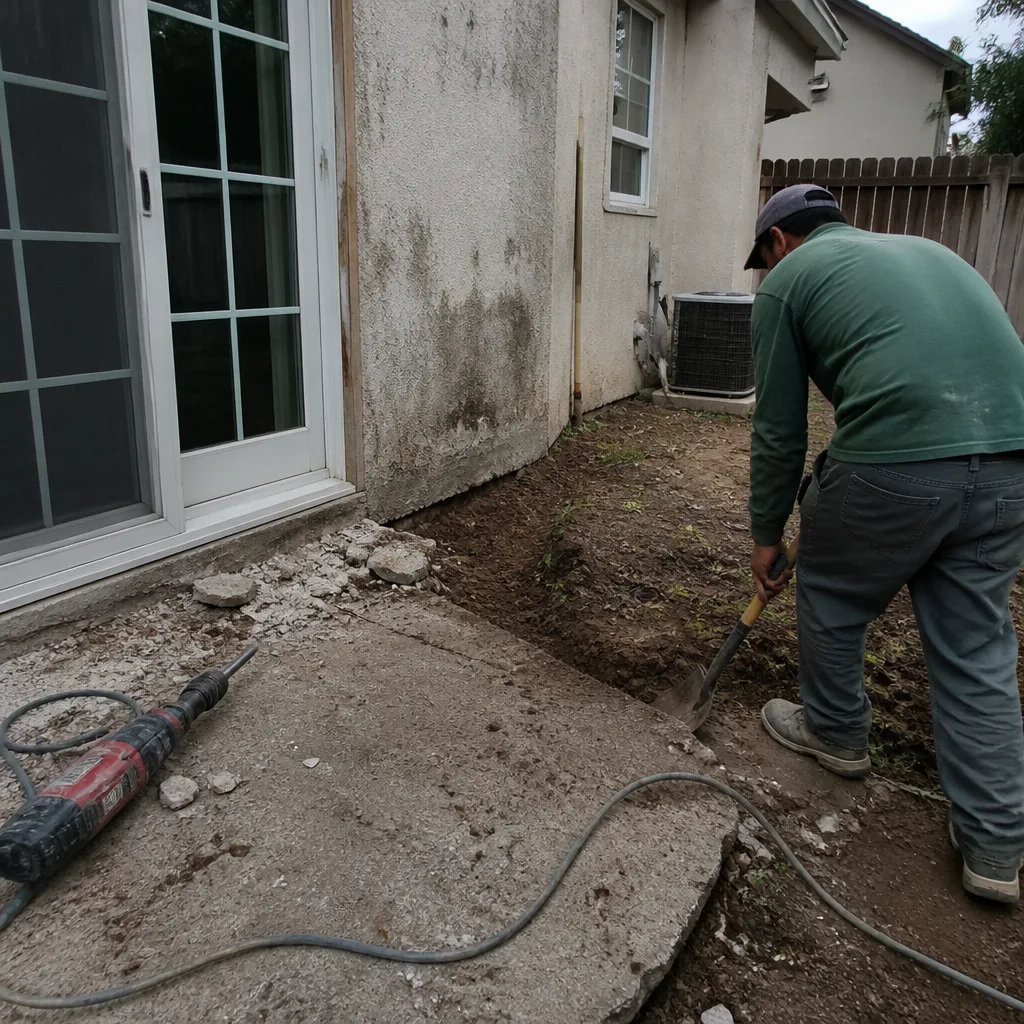 Before
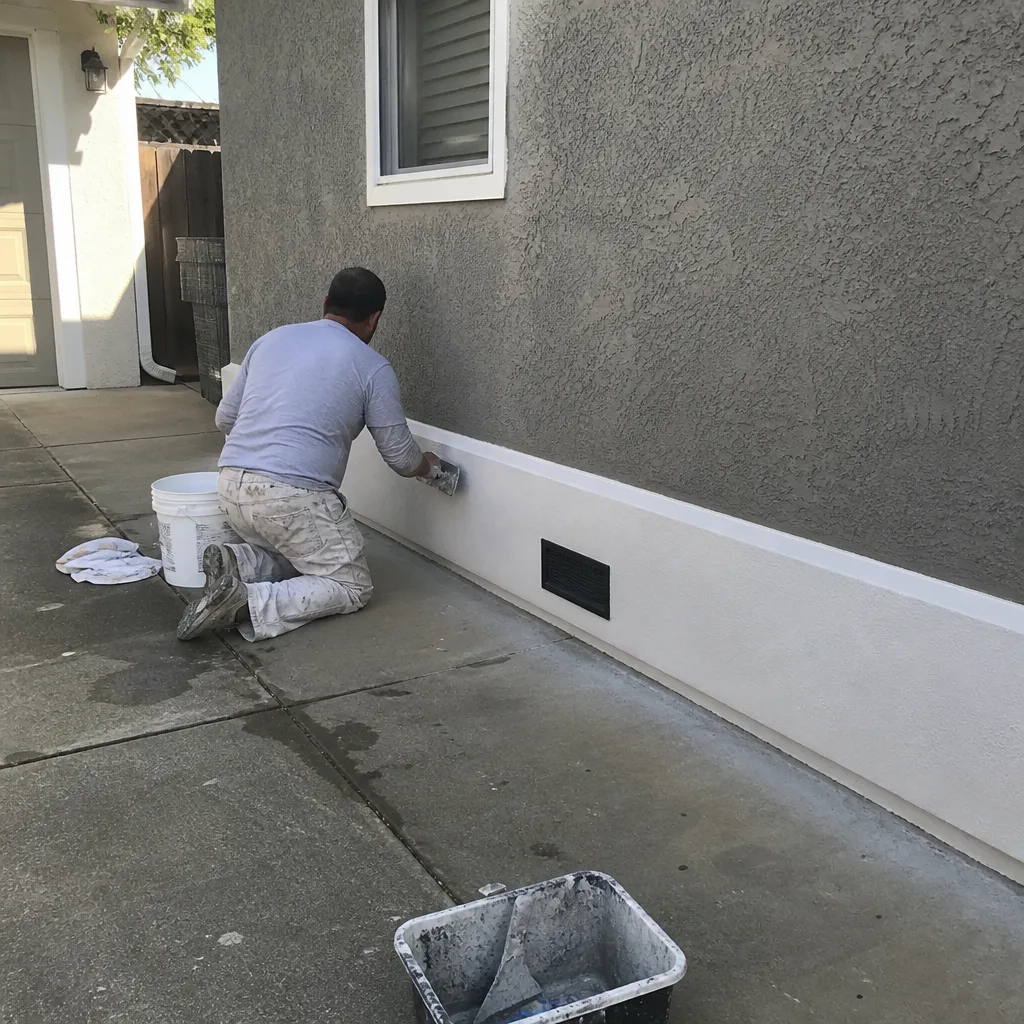 After
After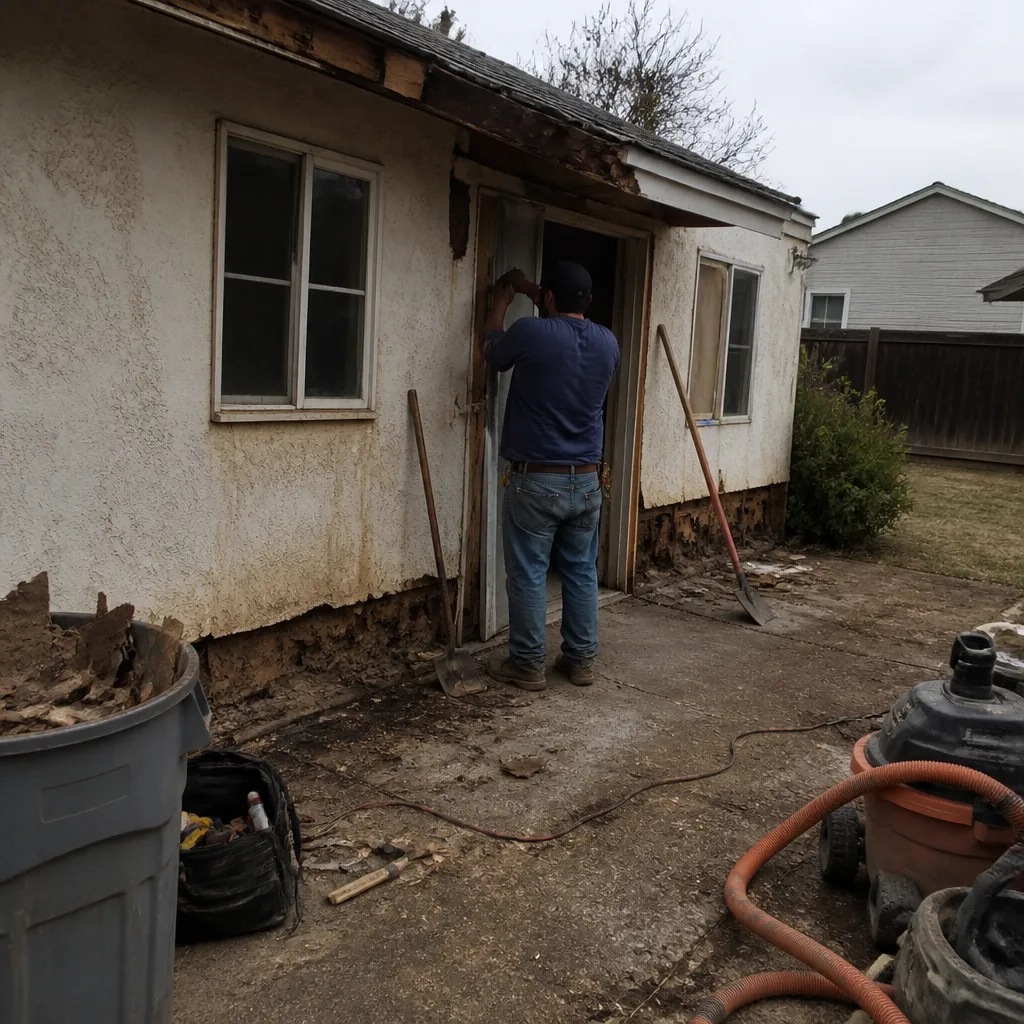 Before
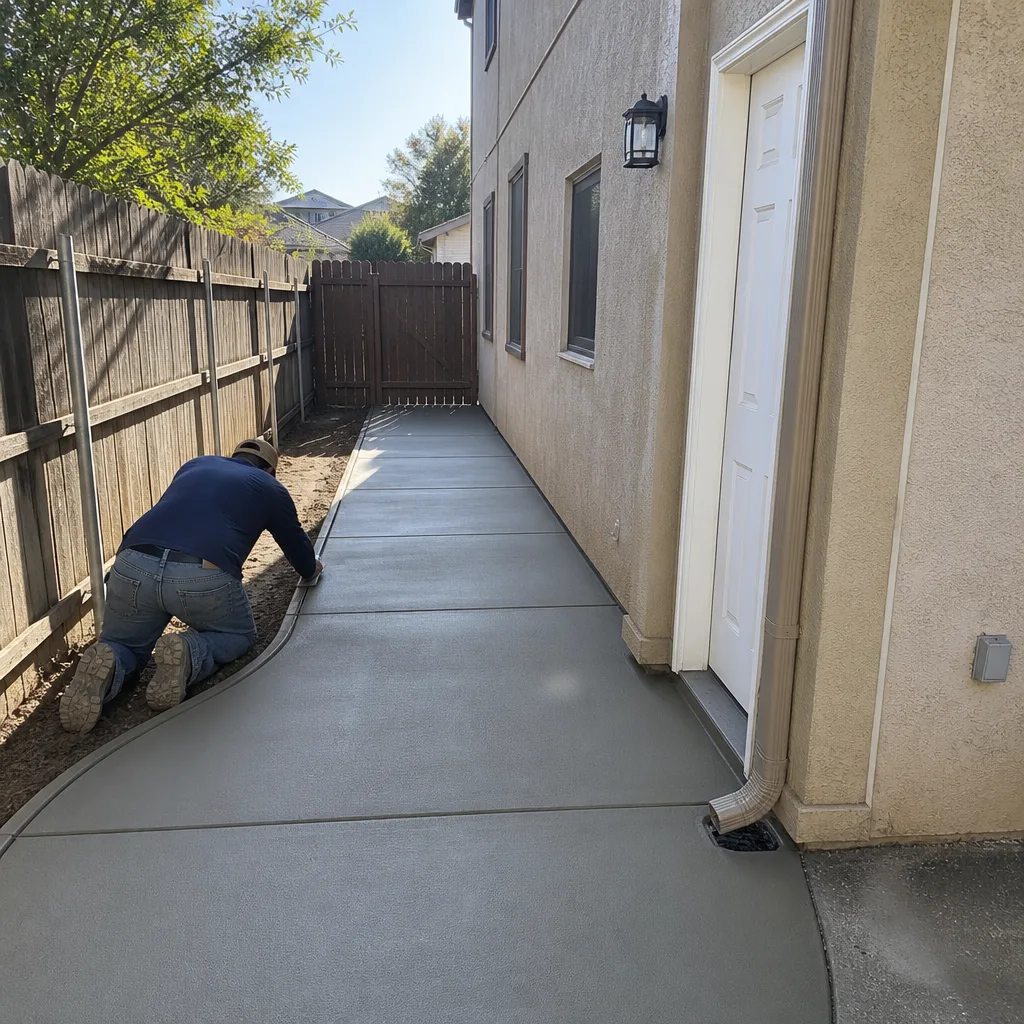 After
AfterReplacement Cost & What’s Included
American Standard fence installation in Sacramento lands between $3,500 and $9,000 installed. At the lower end, you’re looking at around 80 to 100 linear feet of 6-foot privacy fence with one gate, no old fence removal, and pressure-treated posts set in concrete. At the upper end, you’re into 200-plus linear feet, two or more gates, cedar or redwood instead of pressure-treated pickets, and tearing out and hauling away an existing fence. Gate count matters more than footage per dollar; each gate adds real labor because of the hardware, the post reinforcement, and the sag adjustment over the first season.
What’s included in our price: materials, labor, concrete for every post, gate hardware, haul-away, and a final walkthrough. The price is written and fixed before we start; it’s the number you pay, not a starting point. We also include the 365-Day Done Right Promise on every fence installation: if a post settles, a gate binds, or a section fails inside the guarantee year, we come back and fix it at no charge. That pledge is in writing on your project sheet. A written price before work and a written guarantee after it are how we’ve worked since the Kingswell standard was set in 2004.
| Fence Scope | Typical Installed Range |
|---|---|
| Full privacy fence, 80 – 100 linear feet, one gate | $3,500 – $5,000 |
| Full privacy fence, 150 – 200 linear feet, two gates, cedar | $5,500 – $8,000 |
| Full perimeter, 200+ linear feet, three gates, old fence removal | $7,500 – $9,000 |
DIY or Call Us?
You can safely check a few things before you call anyone: measure the linear feet of fence you need replaced, count the gates, and note whether the ground slopes more than a foot across the run. Those three numbers shape the whole quote. You can also tighten a loose gate latch or replace a bent latch bar yourself, those are ten-minute fixes with parts from any hardware store. Where DIY goes bad is setting posts. If a post is set shallow or the concrete isn’t allowed to cure before panels hang on it, the first Sacramento windstorm will lean the whole section and you’ll do the job twice. Digging new post holes through valley hardpan is heavy work, and matching new posts to old panel spacing takes some judgment. If the fence is near a property line, we also check the city’s setback requirement before we dig so you don’t end up in a dispute with the neighbor.
If one section failed, count on one more season before the sections next to it start moving, they share posts. Give us a call at (279) 300-1177 and we’ll come out, look at the full run, and put the price in writing before any work starts. No surprise on invoice day, no vague ranges, just a number you can hold us to.
FAQs
A properly installed American Standard privacy fence in Sacramento lasts 15 to 20 years for pressure-treated wood and 20 to 25 years for cedar, with posts the first component to fail due to our clay soil holding moisture against the wood. Gates typically need hardware replacement at 5 to 8 years. If your fence is younger than that and leaning, the posts were likely set too shallow or without enough concrete.
Yes, if the panel itself is sound, we can often cut the section free, reset the existing posts deeper with new concrete, and reattach the original panels, usually for about 40 to 60 percent of the cost of new construction. If the posts are rotted through, replacement is the only honest fix; resetting a rotted post just buys you a year. Call (279) 300-1177 and we’ll tell you which one you have after seeing it.
Most residential American Standard fence replacements in Sacramento take two to four days from post digging to final gate adjustment, with concrete cure time factored in. Smaller sections or single gate swaps often finish in one day.
We stock American Standard-compatible gate hinges, latch sets, post caps, and panel hardware on the service vehicle, so a gate repair or section re-secure usually happens in a single visit. For full panel replacements, we order or cut to the original dimensional spec so the new section blends with the old run. Call (279) 300-1177 for a free estimate.
Written by Trevor Nash, Owner, Penhallow Remodeling Sacramento at Penhallow Remodeling Sacramento, serving Sacramento and nearby areas.