Free written scope consultation - allowances, timeline, and change-order rules on paper before a single trade is scheduled
CGI Home Additions & ADU: The Sacramento Owner’s Guide
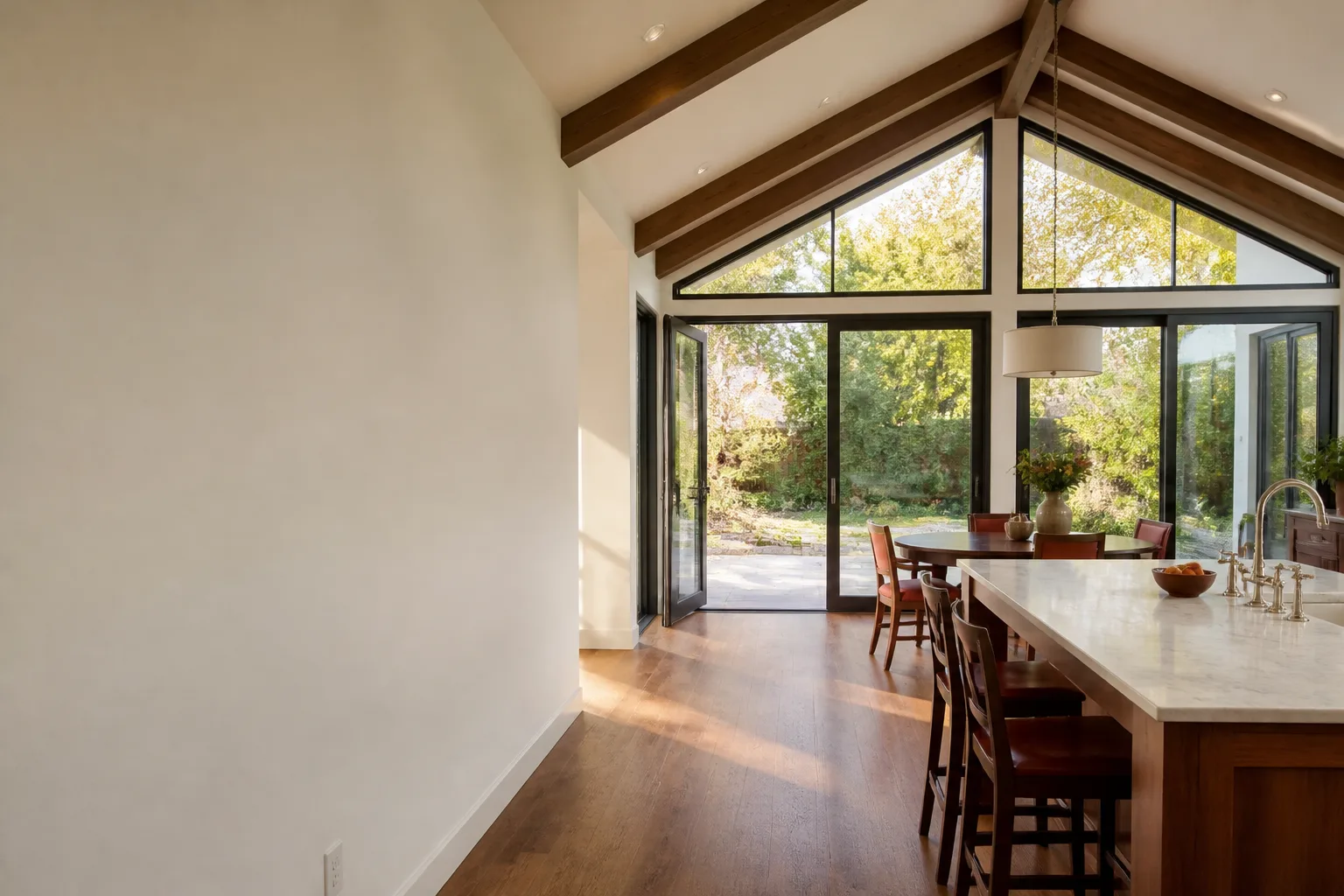
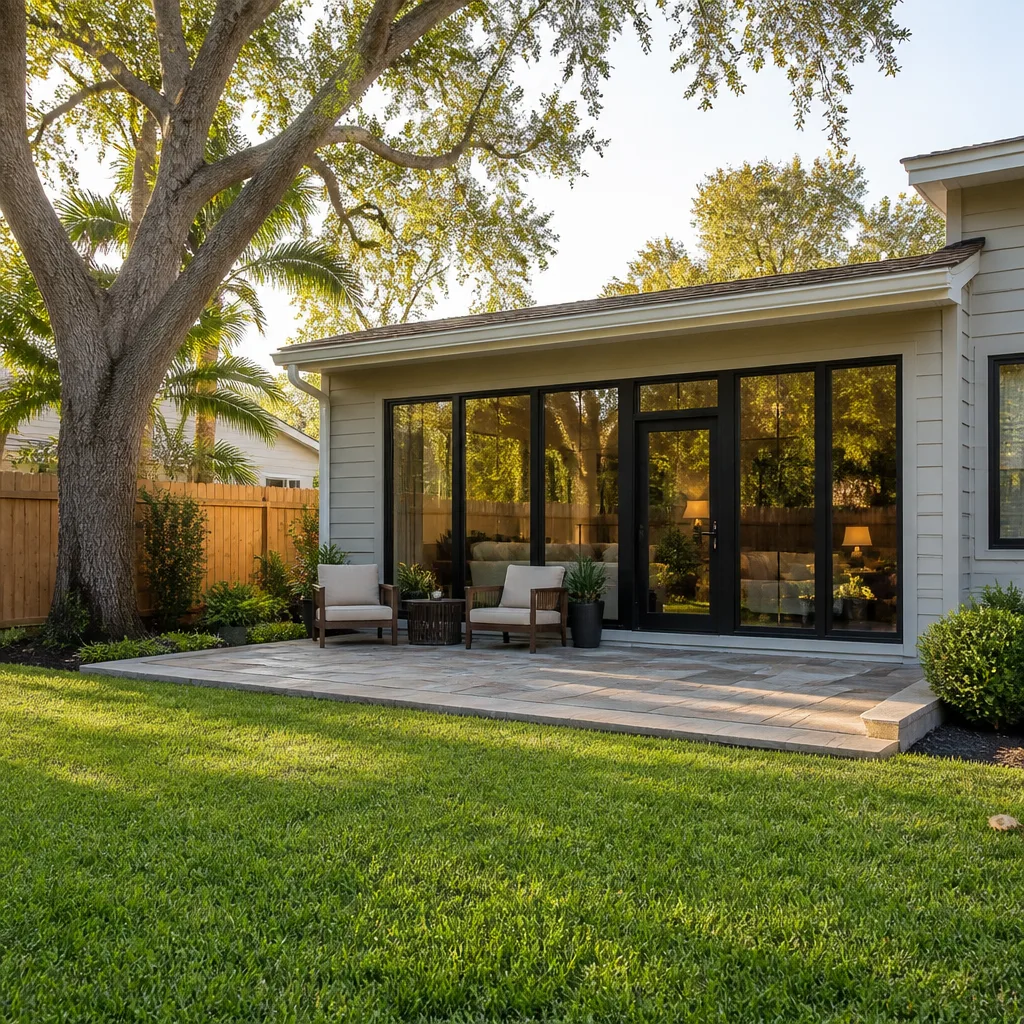
We install CGI-compatible home additions and ADUs throughout Sacramento, with full projects typically running $45,000 to $130,000 depending on square footage, foundation work, and finish level. Most Sacramento owners reach out to us because a previous addition is showing its age: cracked drywall at the roofline tie-in, a door that no longer closes square, or moisture showing up where the old structure meets the new one. If you have a CGI product tied into an addition or ADU and something is failing, we can match the structural and finish details and get you a written price before any work starts.
Key Takeaways:
- Sacramento ADU and addition work runs $45,000 to $130,000 installed, depending on scope, foundation type, and fixtures.
- We work with CGI-compatible structural and finish components daily, and we’re an independent contractor, not a CGI dealer or affiliate.
- Every job gets a written price up front and a written 365-Day Done Right Promise.
- Call (279) 300-1177 for a free estimate on your addition or ADU repair, replacement, or build.
Which CGI Models This Applies To
CGI product lines cover a range of building components used in Sacramento additions and ADUs: window and door systems, exterior finish panels, and interior trim packages. The compatibility question that matters most is series-specific: a CGI window or door spec from a 2000s-era addition will not always match the current CGI trim profiles, and mixing them creates exactly the kind of gap and moisture problem we see on older Sacramento additions. The right way to identify what you have is to look for the CGI label or stamp on the frame, note the glass thickness and any low-e coating codes, and measure the rough opening, not the visible frame. That measurement is the one that counts when we order replacement or matching components. For most Sacramento homes, a quality aftermarket equivalent matched to the original CGI dimensions and thermal spec will perform as well as OEM and cost 15 to 30 percent less. We stock the common CGI-compatible trim, flashing, and door components on our trucks, and we order series-specific items on a per-job basis so you’re not paying for the wrong part twice.
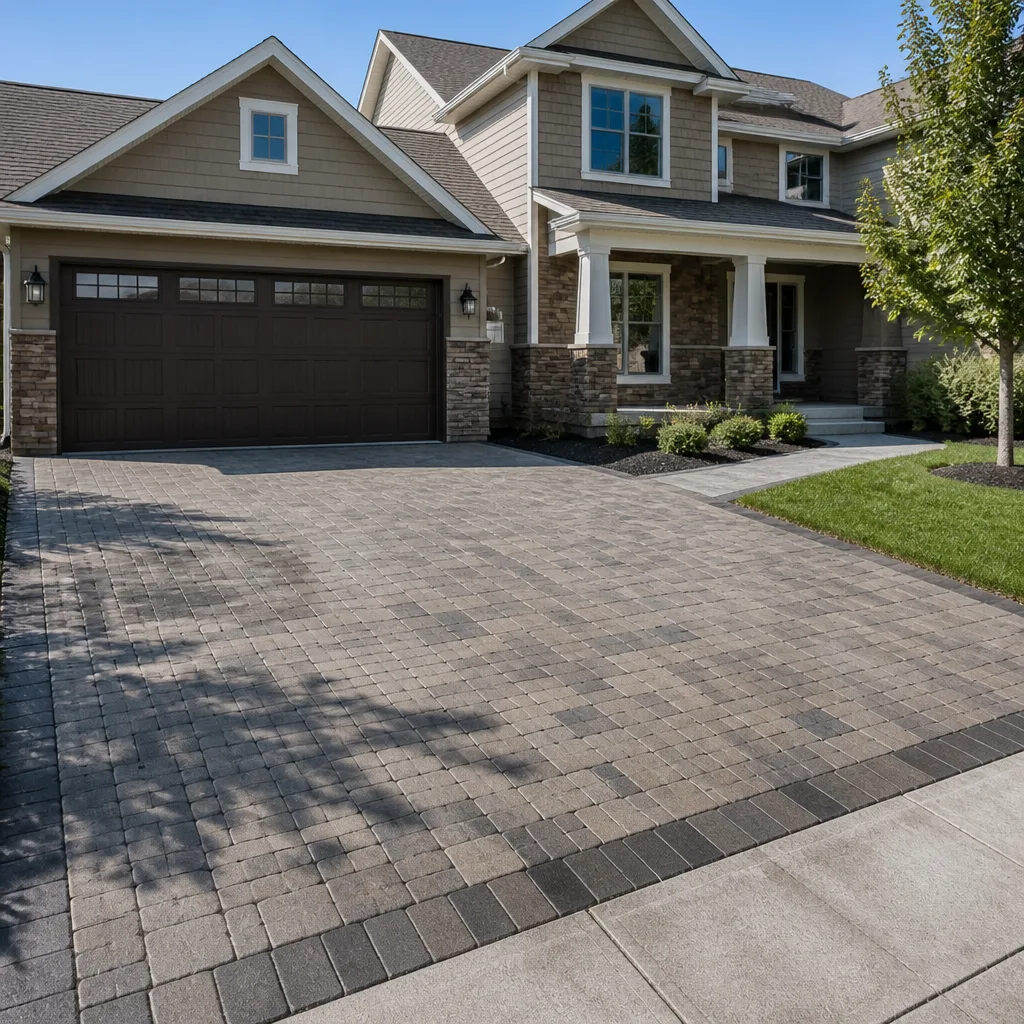
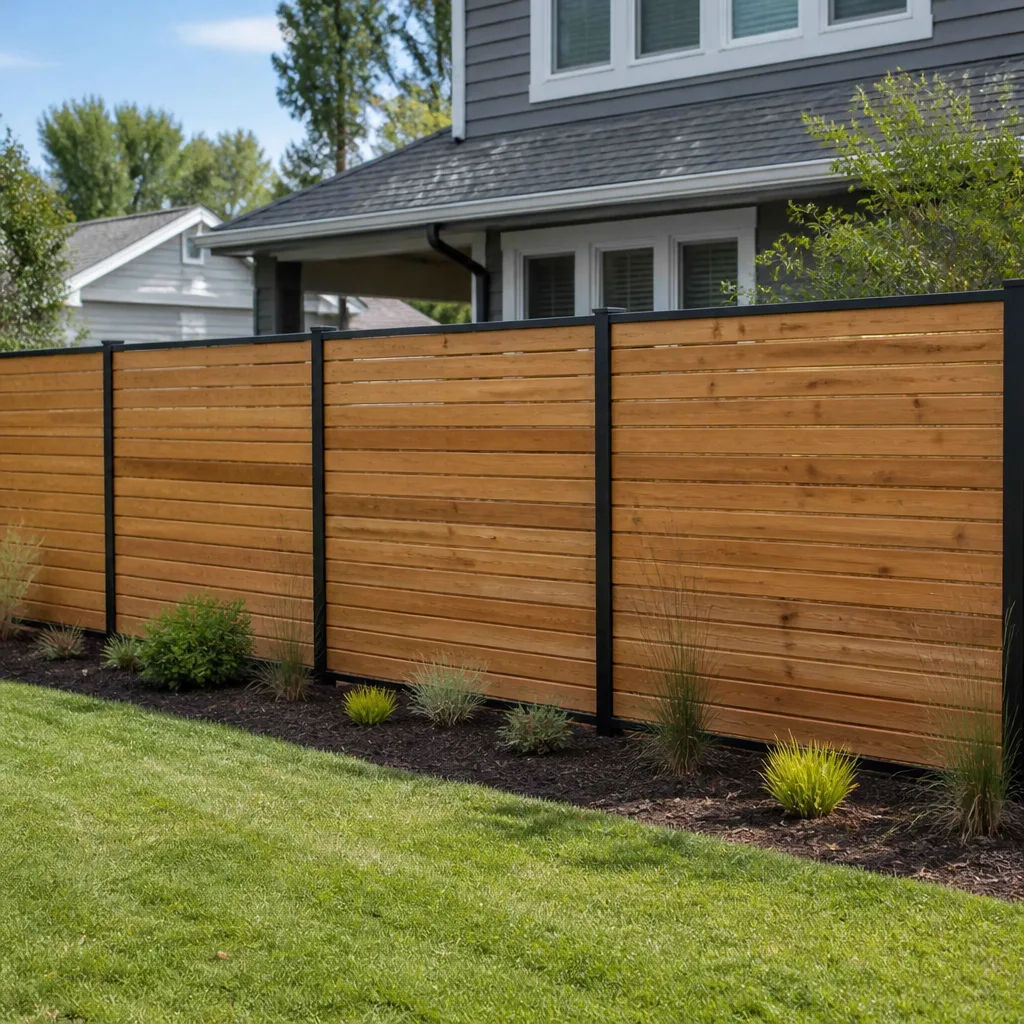
Styles & brands we work with
Signs Your CGI Home Additions & ADU Is Failing
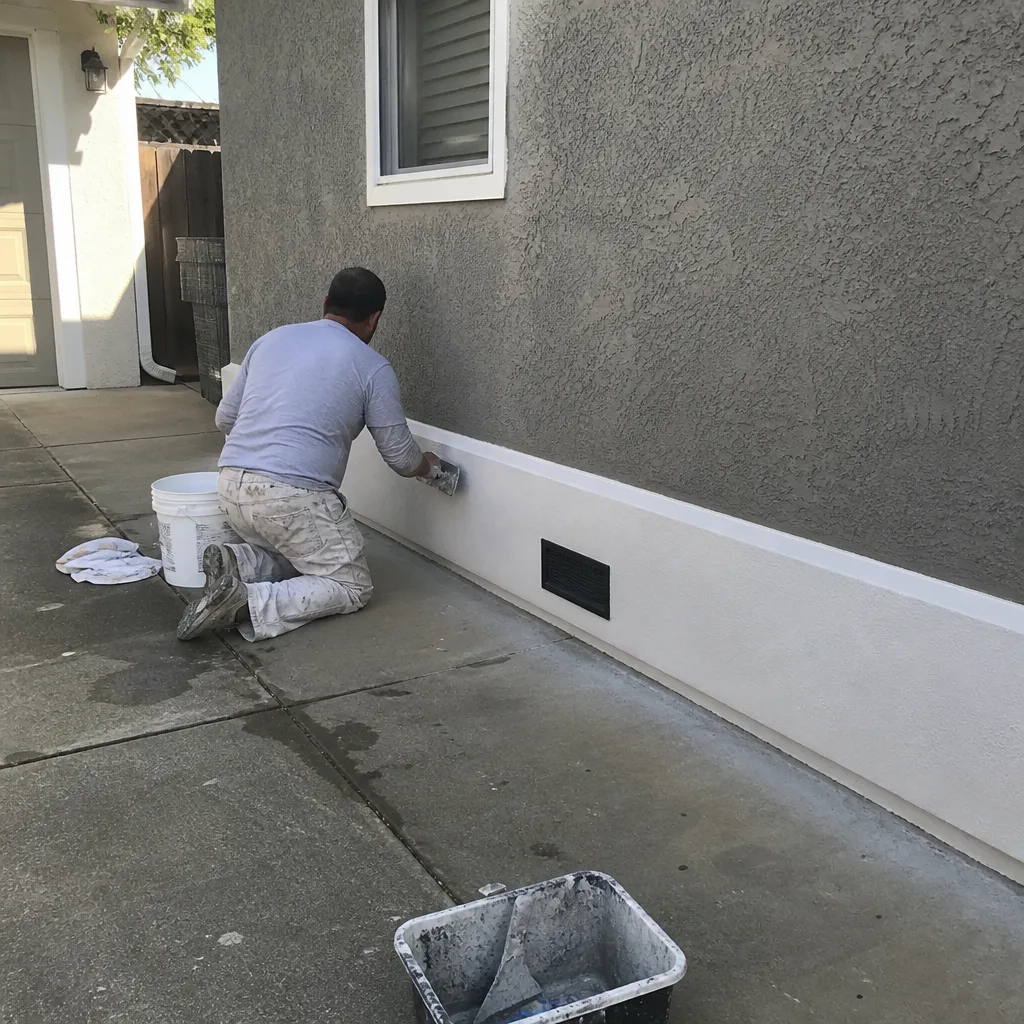
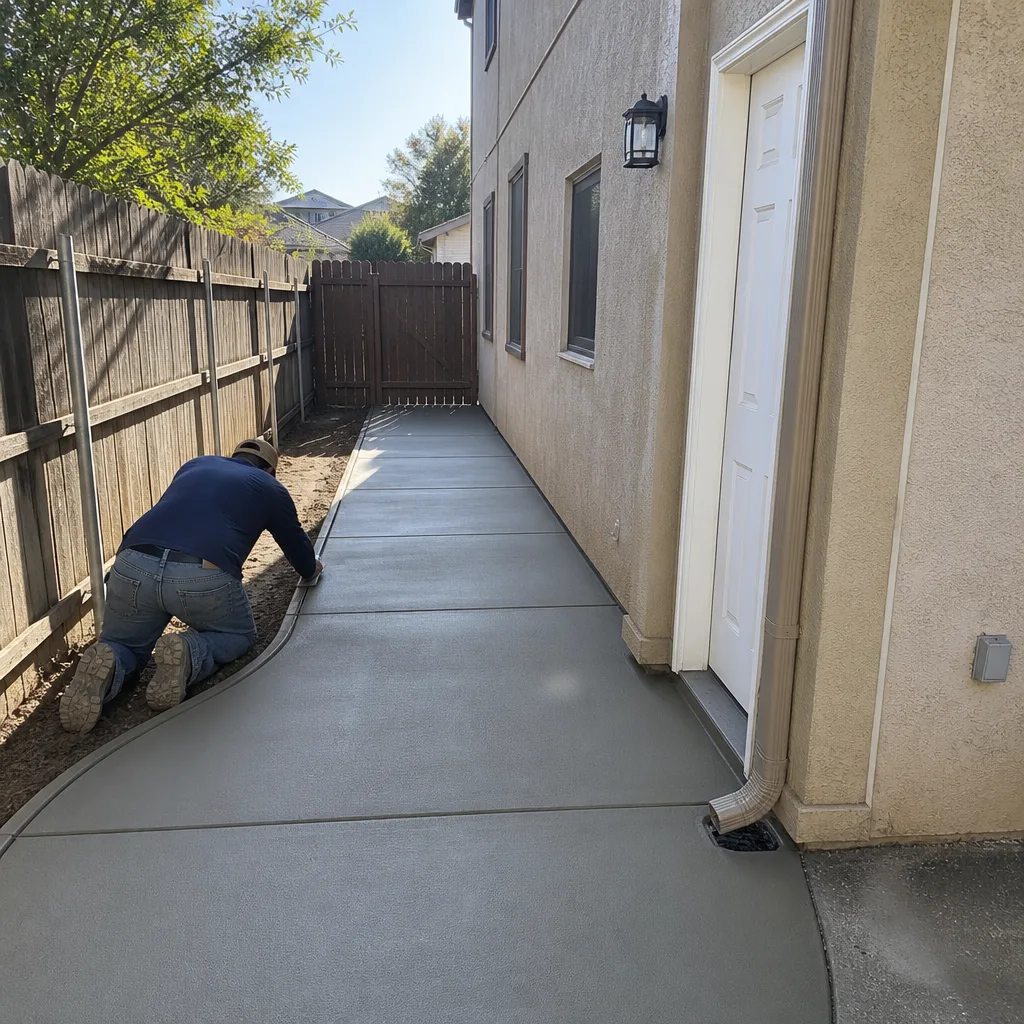
- Gaps at the tie-in between addition and original house. This is the number-one failure point on Sacramento additions. The two structures settle at different rates, especially on the expansive clay soils common in the Natomas and Elk Grove areas, and the CGI trim or siding at that seam starts to pull away. If you can slide a putty knife behind the trim, water is already getting in.
- Doors or windows that stick in summer and swing loose in winter. CGI window and door frames move with temperature and humidity. When an addition was framed slightly out of square or the opening wasn’t flashed correctly, that movement shows up as a door that won’t latch in July but works fine in January. It’s a framing or flashing issue, not a door hardware issue, and swapping the hardware won’t fix it.
- Drywall cracks that run diagonally from the corner of a window or door. That crack is the structure telegraphing movement. On CGI-trimmed openings, the crack often starts behind the trim and travels inward. Caulking it will hide it for about four months. Fixing it properly means checking the header, the king studs, and the connection to the roof plane.
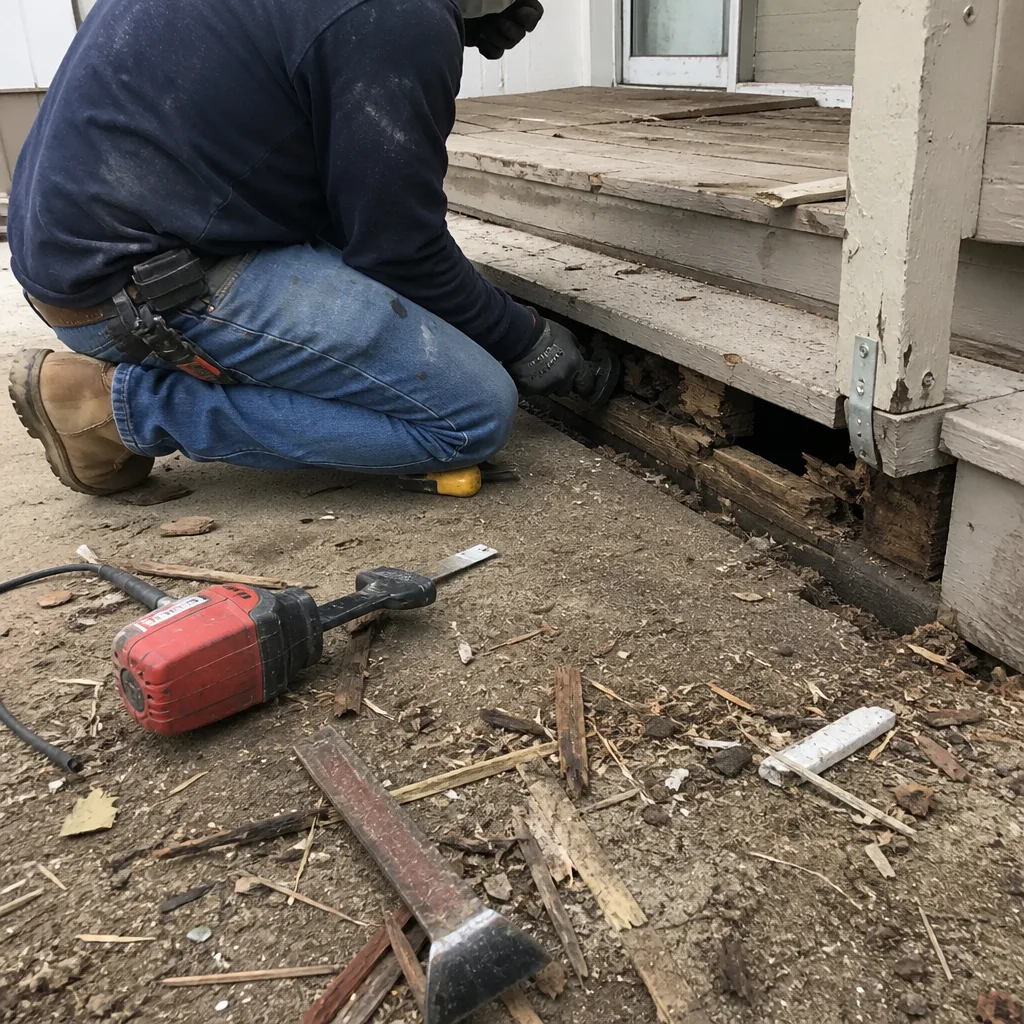
- Soft spots or bubbling in the finish around window and door perimeters. Sacramento’s hot, dry summers bake exterior finishes, and the winter rain does the rest. If the CGI flashing detail wasn’t done right, water wicks behind the finish and the surface starts to lift or feel spongy. By the time you see it, the sheathing behind it has been wet for a while.
- Musty smell in one corner of the ADU or addition that never goes away. That smell is usually a flashing failure at a CGI window or door, a failed sill pan, or a gap at the wall-to-roof intersection. It doesn’t mean the whole addition is bad; it means one detail failed and the material behind it is holding moisture. Find it and fix it before the framing damage spreads.
See the difference
 Before
 After
After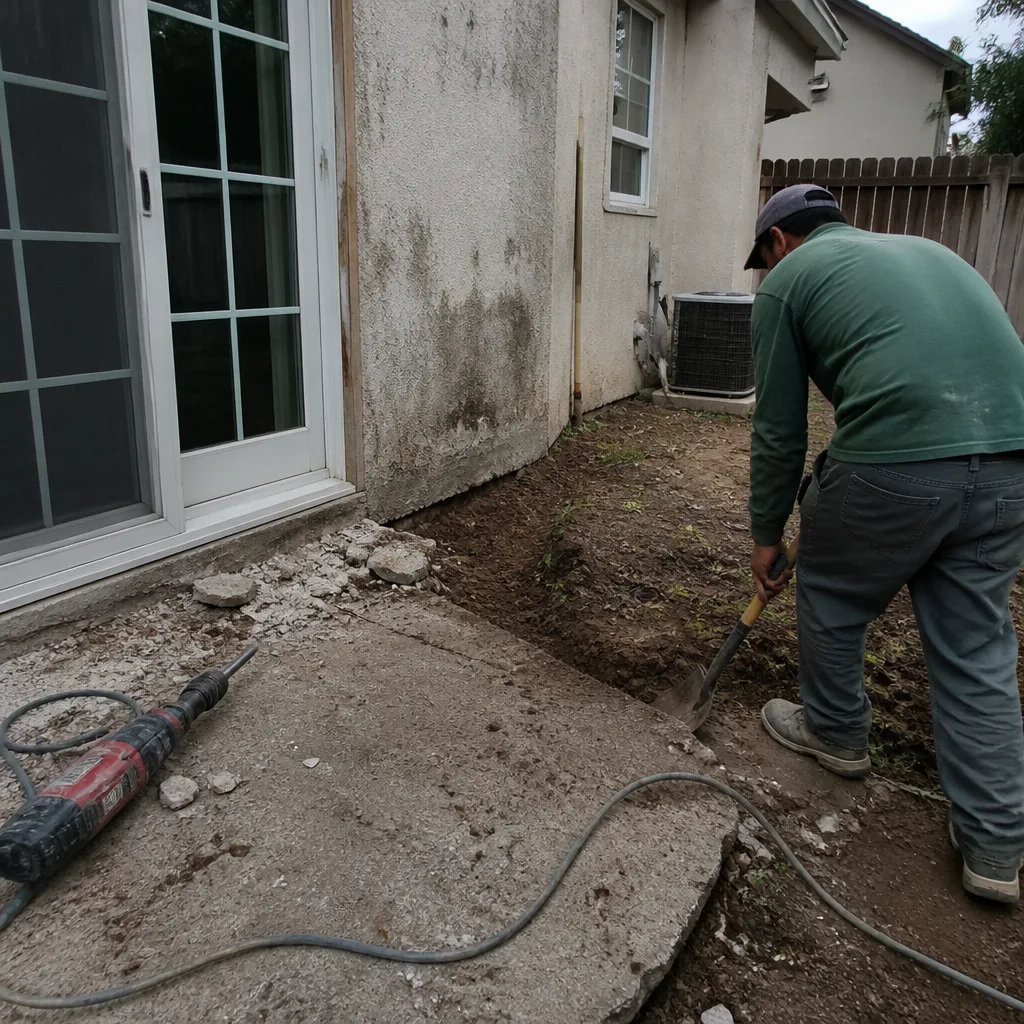 Before
 After
After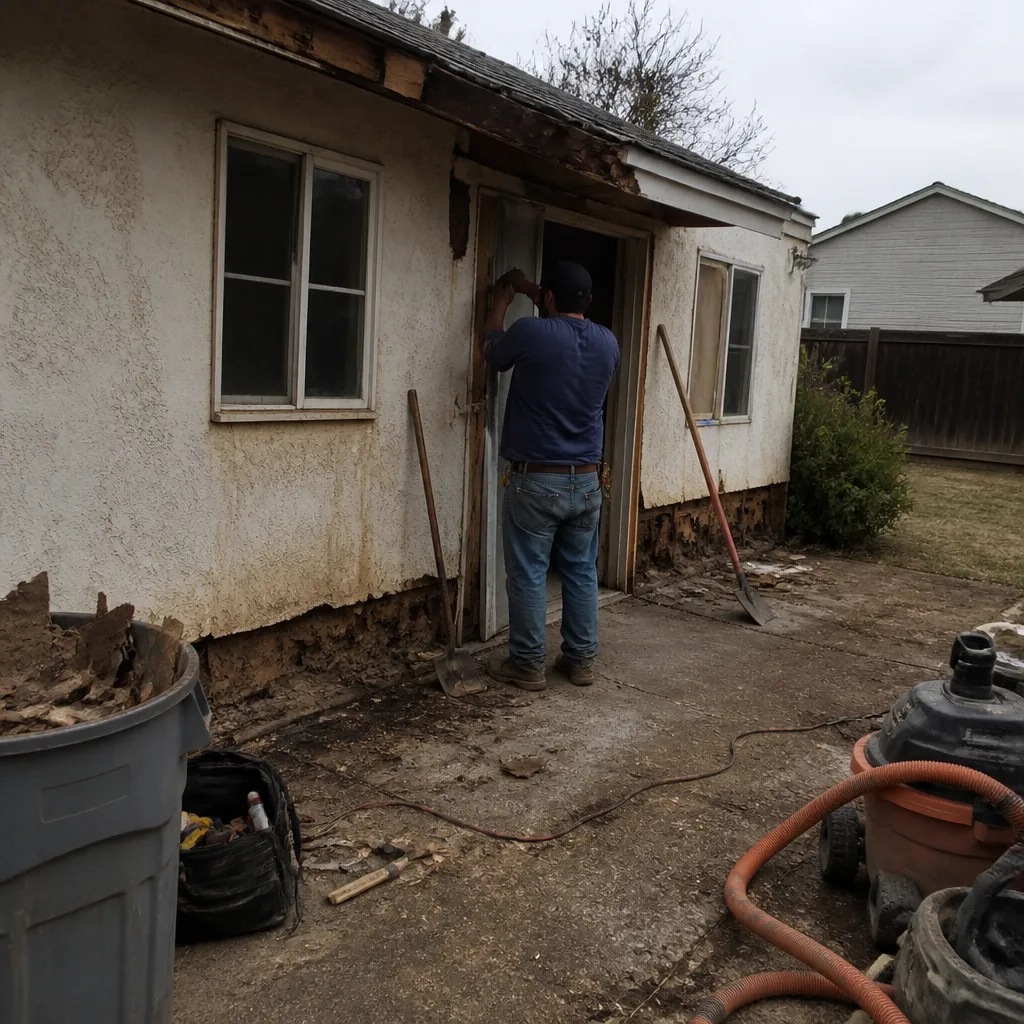 Before
 After
AfterReplacement Cost & What’s Included
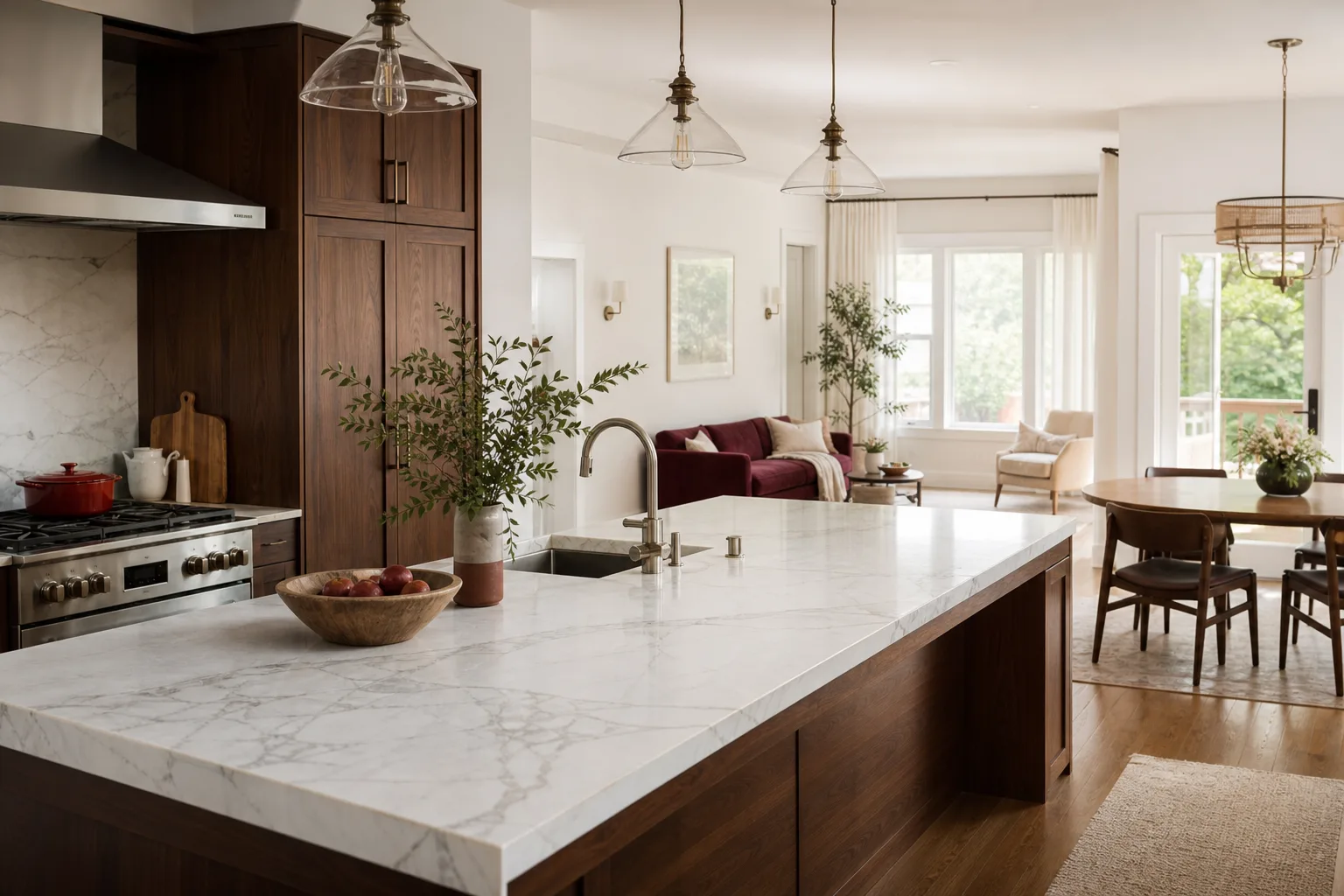
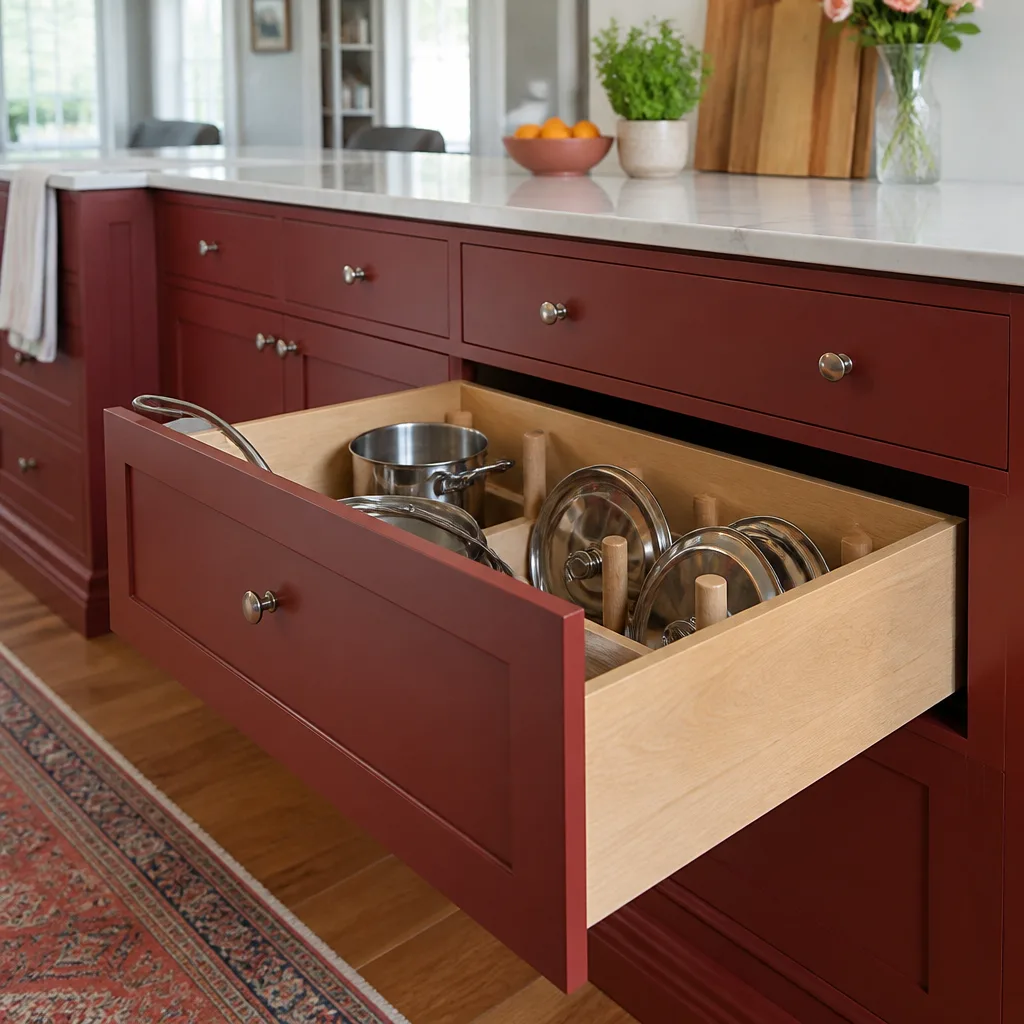
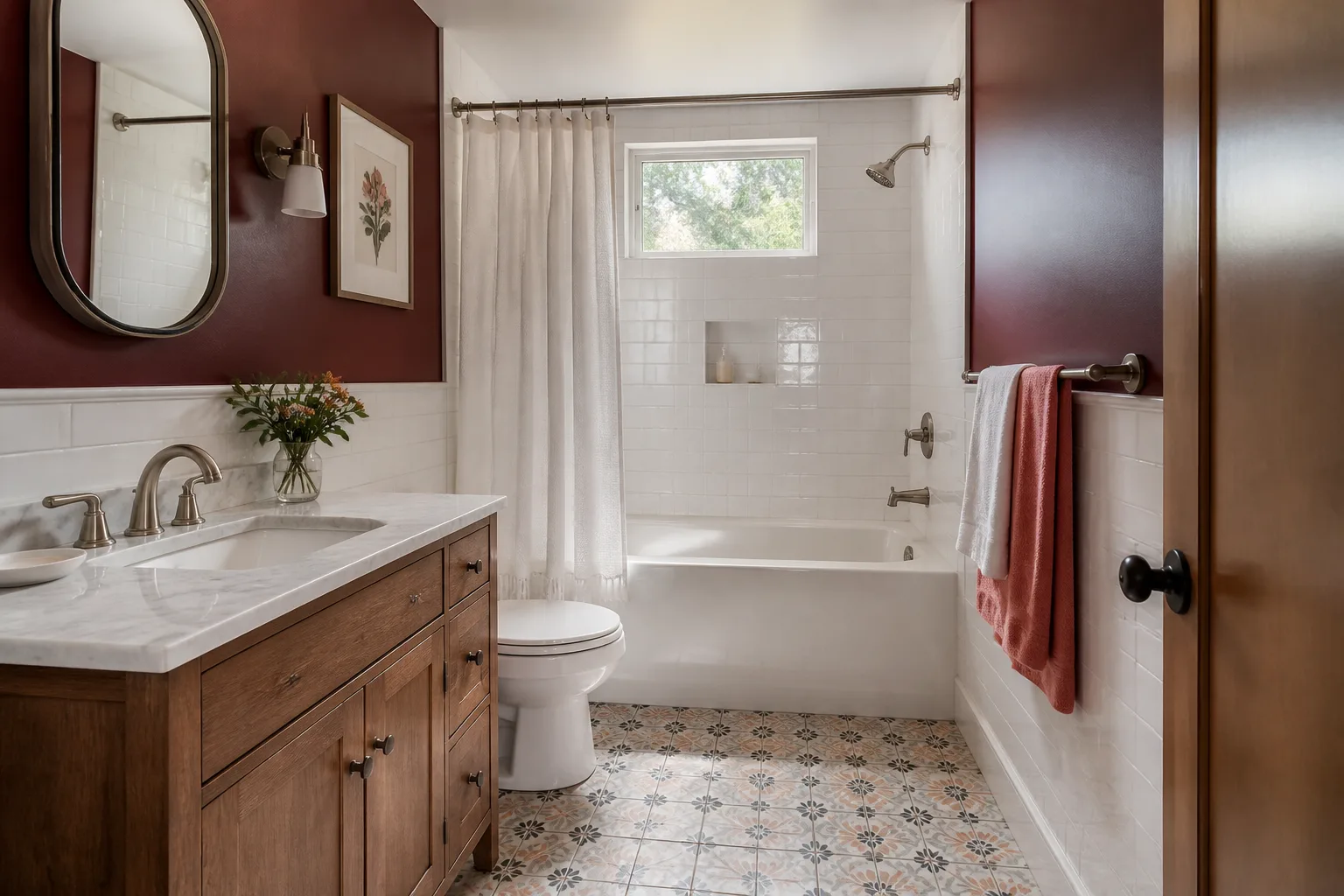
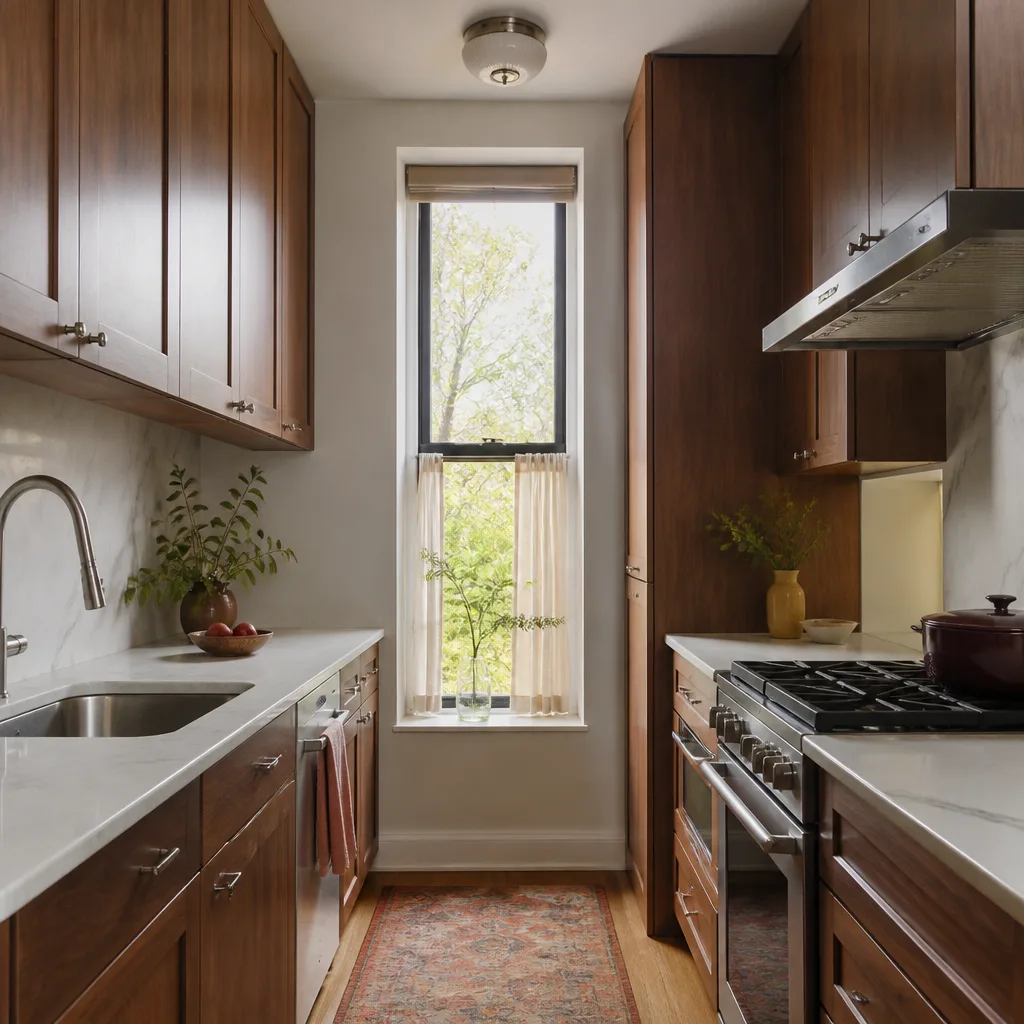
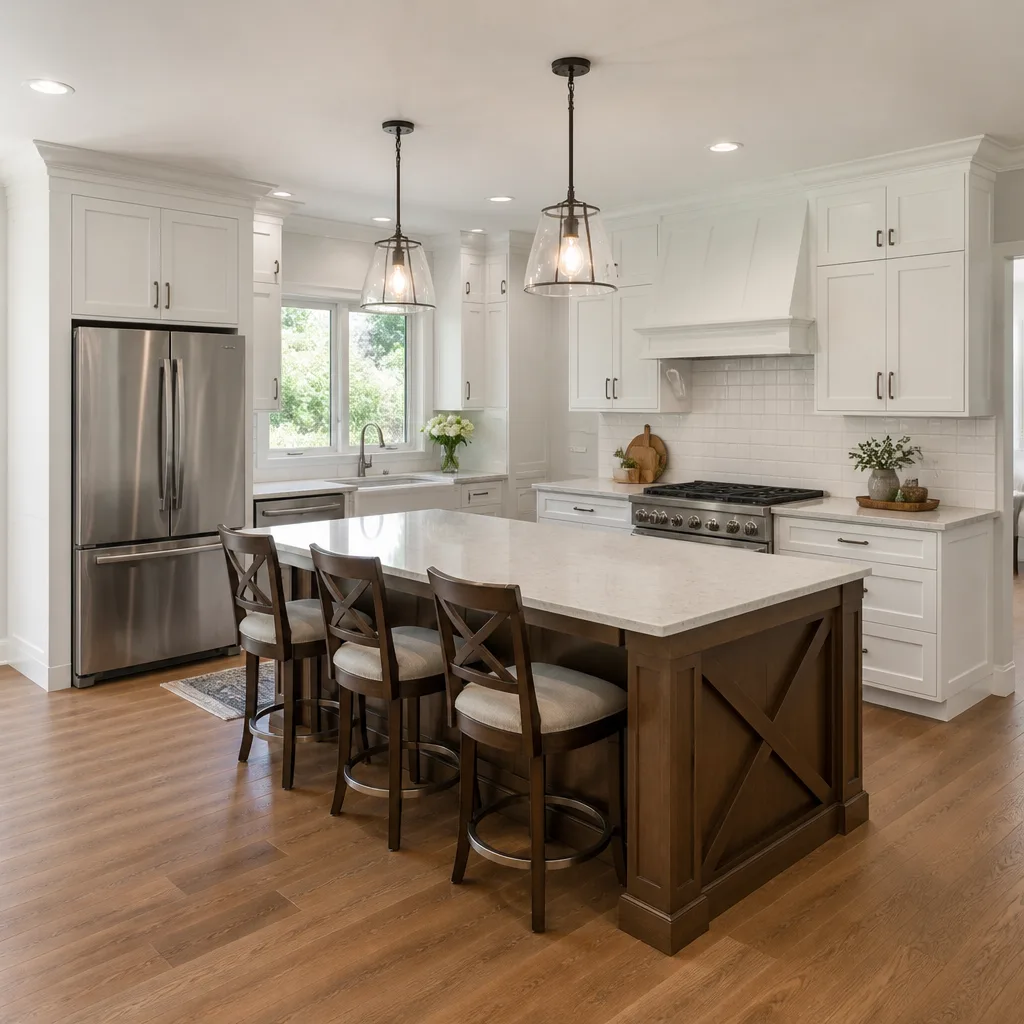
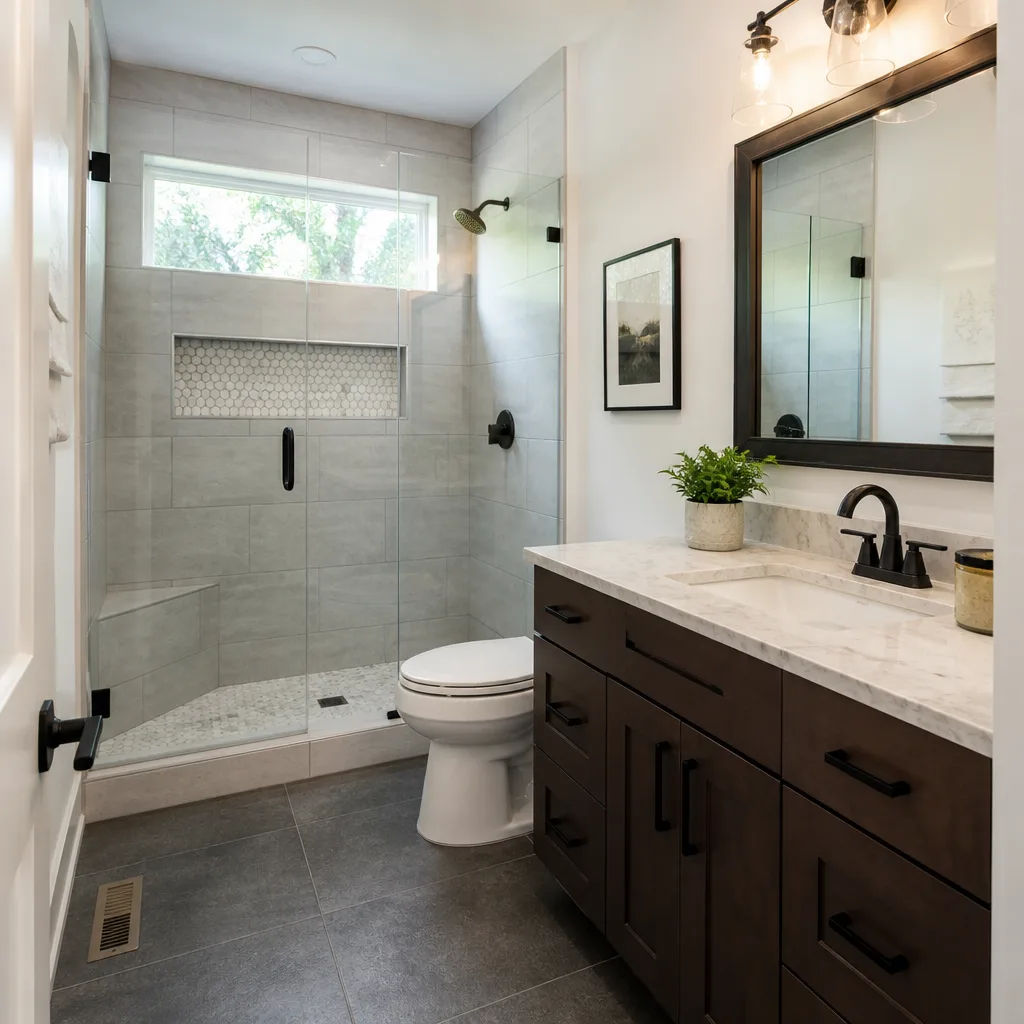
A full home addition or ADU in Sacramento runs $45,000 to $130,000. What drives that range is square footage first, then foundation type (slab-on-grade is cheaper than a raised floor with crawlspace), then the finish package: KraftMaid or Wellborn cabinetry, Cambria, Silestone, or Caesarstone counters, Kohler or Moen fixtures, and James Hardie siding all land at the higher end of the range. A partial repair, such as replacing the CGI trim and flashing at a failed tie-in, typically runs $3,000 to $9,000 depending on access and what we find behind the trim once it’s open. Every estimate from us is a written, line-item price before work starts, and it covers parts, labor, permits where required, and cleanup. The number on day one is the number on the invoice. If something isn’t done right inside 365 days, we come back and fix it at no charge. That’s written on every contract, not spoken in the driveway.
DIY or Call Us?
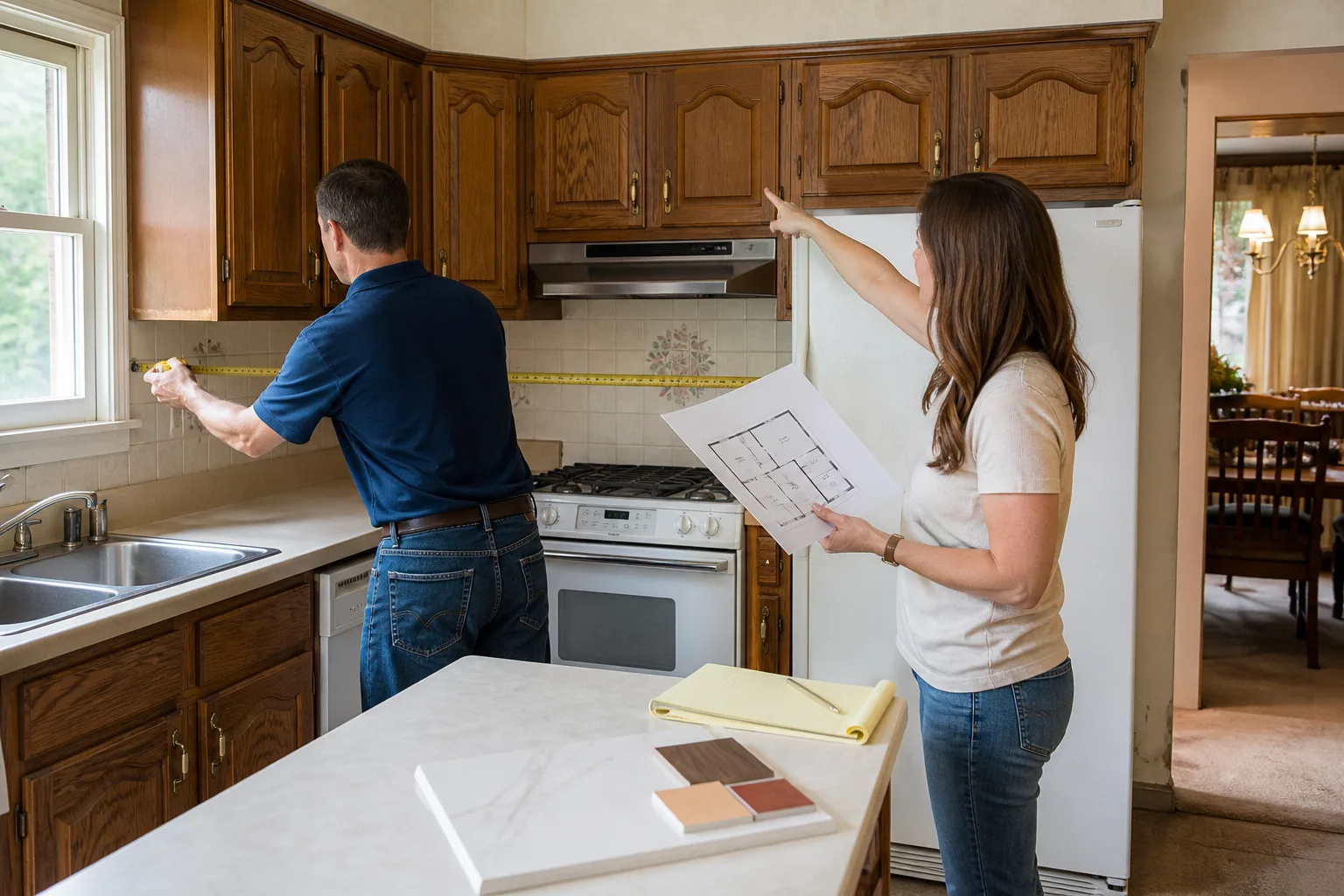
There are things you can safely check yourself: look for visible gaps at the tie-in seam, test whether doors and windows operate smoothly through the seasons, and feel for soft spots around the CGI trim after a rain. Those observations help us quote the repair faster. What you should not do is pull the trim, cut into the wall, or try to re-flash a window or door opening yourself. Once you open up a CGI-framed opening, you’re into the weather barrier and the structural connection, and a wrong guess there means water in your wall cavity for a full rainy season before you know it. We’ve re-done enough DIY flashing jobs in East Sacramento and Land Park to say this plainly: the second repair always costs more than the first one done right. If you see any of the signs above, call (279) 300-1177 and we’ll walk the site with you before any money changes hands.
FAQs
A properly built addition or ADU with CGI or equivalent components lasts 50 years or more in Sacramento’s climate, but the flashing, caulking, and exterior finishes need attention every 8 to 12 years. The structure itself rarely fails; it’s the water management details that fail first. Call (279) 300-1177 for a condition assessment and we’ll tell you exactly what needs attention and what can wait.
Yes, in most cases. When the framing is sound, a failing addition can be repaired by addressing the specific failure: re-flashing the tie-in, replacing damaged CGI trim, re-securing window and door openings, and repairing the finish. Full teardown is rare. Call (279) 300-1177 and we’ll give you a written repair price before any work begins.
A partial repair to a CGI addition typically takes 2 to 5 working days, depending on access and what we find once the trim is off. A full ADU build runs 4 to 8 months from permit to final inspection. We give you a defined arrival window and a written schedule on every project, and we stick to both.
We stock common CGI-compatible trim, flashing, and door components on our trucks for immediate repairs. Series-specific and custom-sized items are ordered per job, and we confirm lead time and price in writing before we order anything. We also stock and install components for KraftMaid, Cambria, and Silestone when your addition or ADU includes those finishes.
Written by Trevor Nash, Owner, Penhallow Remodeling Sacramento at Penhallow Remodeling Sacramento, serving Sacramento and nearby areas.