

Free written scope consultation - allowances, timeline, and change-order rules on paper before a single trade is scheduled
James Hardie Windows & Doors: The Sacramento Owner’s Guide
James Hardie makes siding and exterior trim, not windows and doors themselves. But if your Sacramento home has HardiePlank or HardiePanel siding, the window frames, trim boards, and door surrounds integrate directly with that siding system, and when those connections fail, water gets behind the siding and the damage gets expensive fast. We stock and install the flashing tapes, head flashings, trim boards, and sealants that tie James Hardie siding into windows and doors correctly. Most window flashing repairs and HardieTrim replacements around openings run $400 to $1,800 installed, depending on how much siding has to come off to get at the problem.
Here’s how it usually shows up: you’re in the kitchen filling the sink and you notice a soft spot in the drywall under the window. Or the caulk bead around the patio door has pulled away clean, like a rubber band that lost its stretch, and now there’s a hairline gap that wasn’t there last fall. By the time you see peeling paint or a damp smell near a window corner, water has likely been wicking behind the James Hardie siding for months. That’s not a caulk-and-paint fix. That’s a flashing failure, and it needs to be opened up, dried, re-flashed, and re-sealed the way James Hardie’s installation specs actually call for. Most Sacramento homes we look at were flashed wrong from day one.
Key takeaways:
- We stock James Hardie-compatible flashing, trim, and sealant on our trucks
- Typical repair cost around a window or door opening: $400 – $1,800
- One written price before work starts, backed by the 365-Day Done Right Promise
- Background-checked, uniformed techs; a live person answers at (279) 300-1177
Which James Hardie Models This Applies To

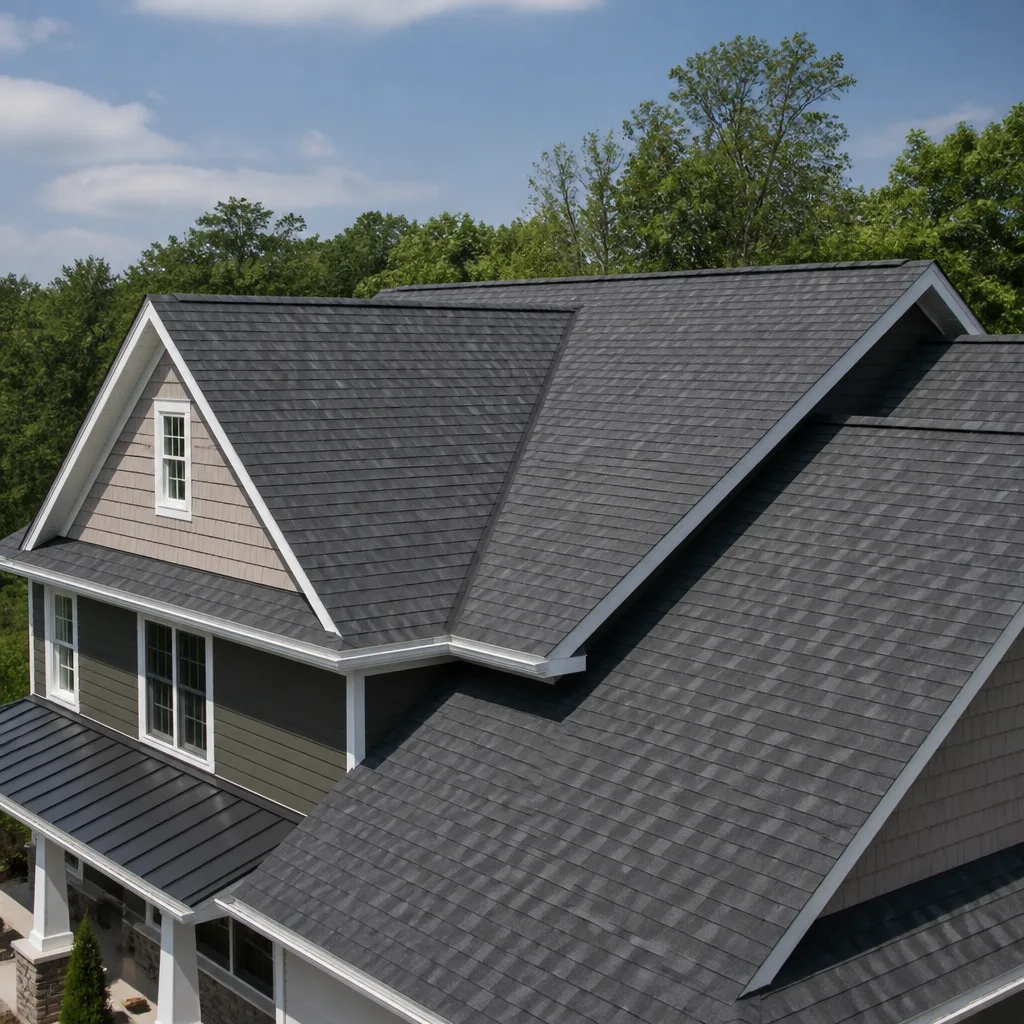
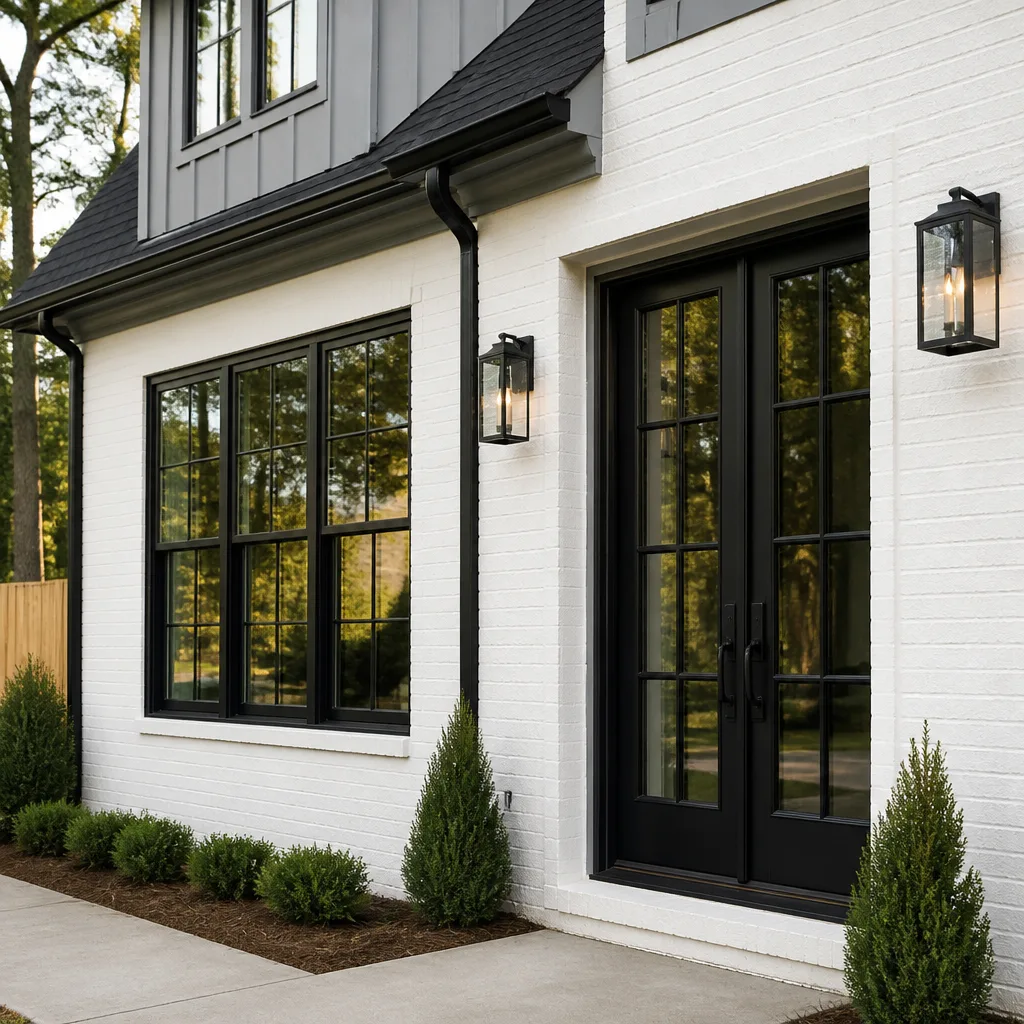
If your Sacramento house was sided in the last 25 years, it’s almost certainly wearing HardiePlank lap siding, HardiePanel vertical siding, or HardieShingle, with HardieTrim boards around every window and door opening. The trim boards are the failure point we see most often, because that’s where a flat piece of cement board meets a moving window frame, and the joint between them has to flex. HardieTrim comes in several profiles: smooth, woodgrain, and a beaded line, in widths from 3.5 inches up to 12 inches. The critical detail is the reveal, or how far the trim stands proud of the window frame. If that gap is wrong, the caulk line is working harder than it was designed to, and Sacramento’s hot-dry-to-cold-wet swings will pop it every time.
You can identify your trim profile by looking at the bottom edge of the board, below the caulk line. Smooth trim looks almost painted-metal flat. Woodgrain has a pressed-in cedar texture. The beaded profile has a small rounded channel running down the center. Once you know the width and profile, you can match it off the shelf at any Sacramento building supplier, but most were stocked as primed boards that get painted on site. A word on OEM versus generic: James Hardie doesn’t manufacture windows, so there’s no such thing as a “factory” James Hardie window part. What matters is that the flashing and sealant meet Hardie’s written install spec, which calls for a specific flashing tape over the nailing flange, a metal head flashing above the trim board, and a flexible sealant joint, not a stiff caulk, at every material transition. We use Hardie-recommended flashing and Tremco or OSI sealants because they’ve held up through Sacramento’s freeze-thaw cycles without losing adhesion. Generic $4 caulk from a big-box store lasts about one summer here before it gets brittle.
Styles & brands we work with
Signs Your James Hardie Windows & Doors Are Failing
- Caulk pulling away from the trim or frame: the joint has moved too much for whatever sealant was used. In Sacramento, the seasonal swing from 105-degree summers to frosty January mornings grinds stiff caulk into a cracked, dusty line within one year. Once water gets past that bead, it has a clear path behind the trim.
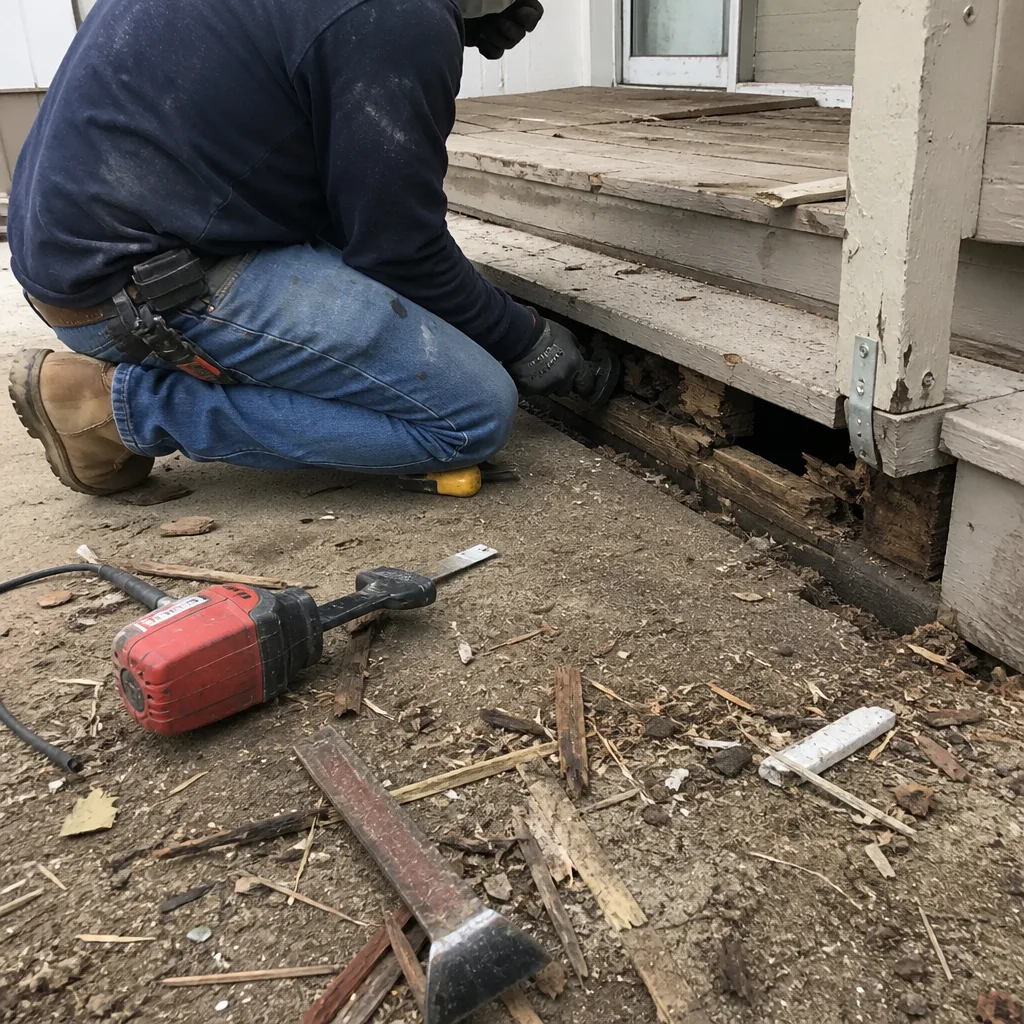
- Soft drywall under the window or beside a door: water has been entering the wall cavity long enough to soak the gypsum and whatever framing sits behind it. We typically find the leak is at the head flashing above the trim, not at the caulk line the homeowner keeps re-doing.
- Paint bubbling or peeling on HardieTrim itself: cement board is dimensionally stable, so peeling paint on the trim means water is pushing through from the backside, escaping outward. The soak is coming from inside the assembly.
- Black staining at the bottom corners of a window or sliding door: that’s the path where trapped water exits under gravity. It usually travels along the sill pan flashing, which is either missing, folded wrong, or never taped at the corners.
- Gaps opening up inside the window frame itself: either the jamb-to-frame joint has loosened, or the weight of a failing trim board is pulling the assembly out of plane. In older Sacramento neighborhoods like Elmhurst or Hollywood Park, we often see settling foundations adding to this movement, and the joint at the trim is where that stress shows first.
See the difference
 Before
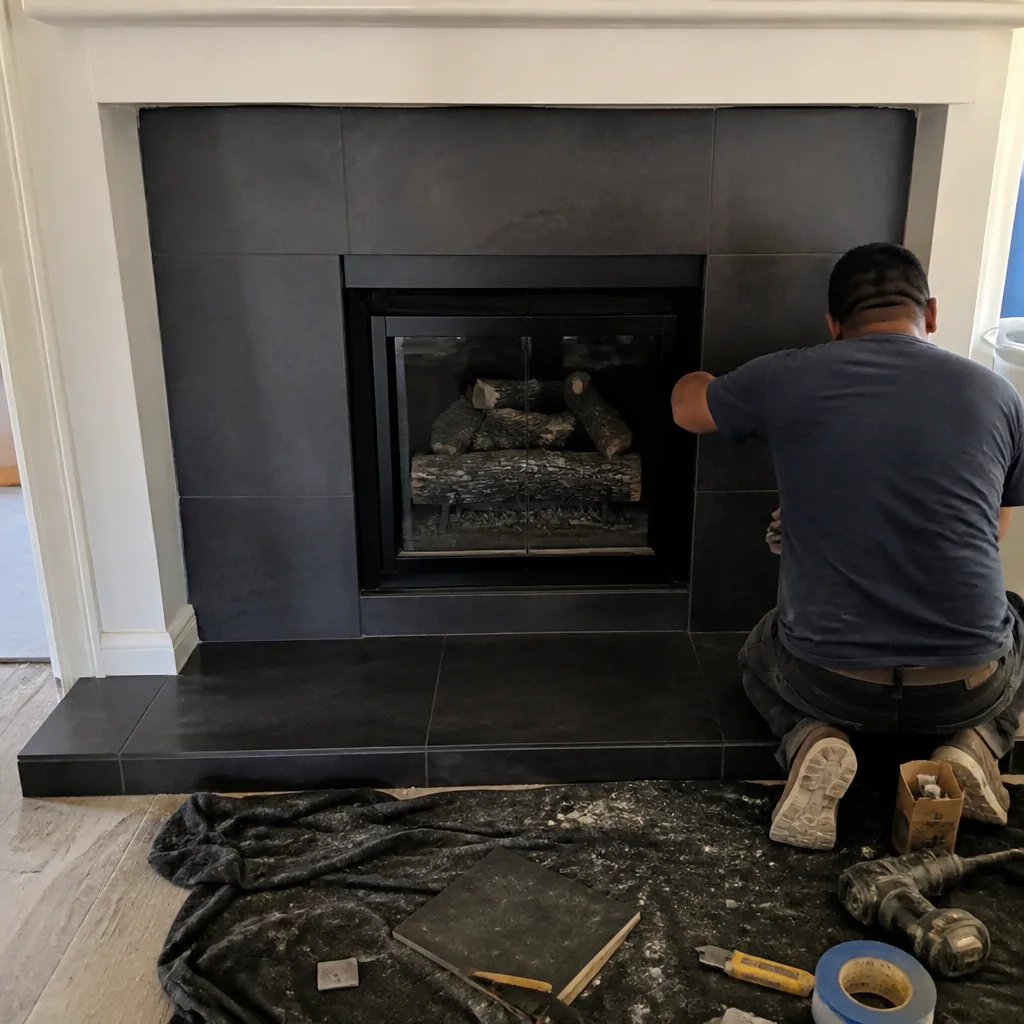 After
After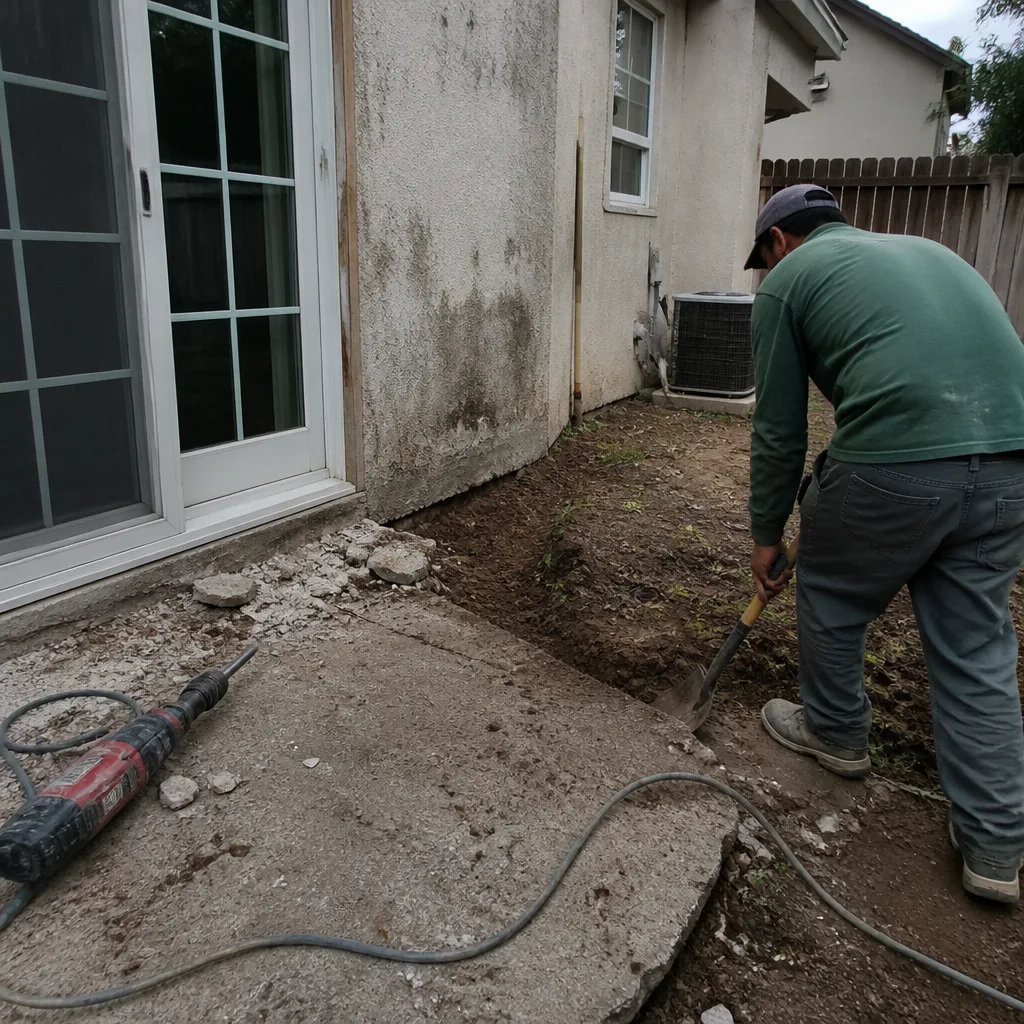 Before
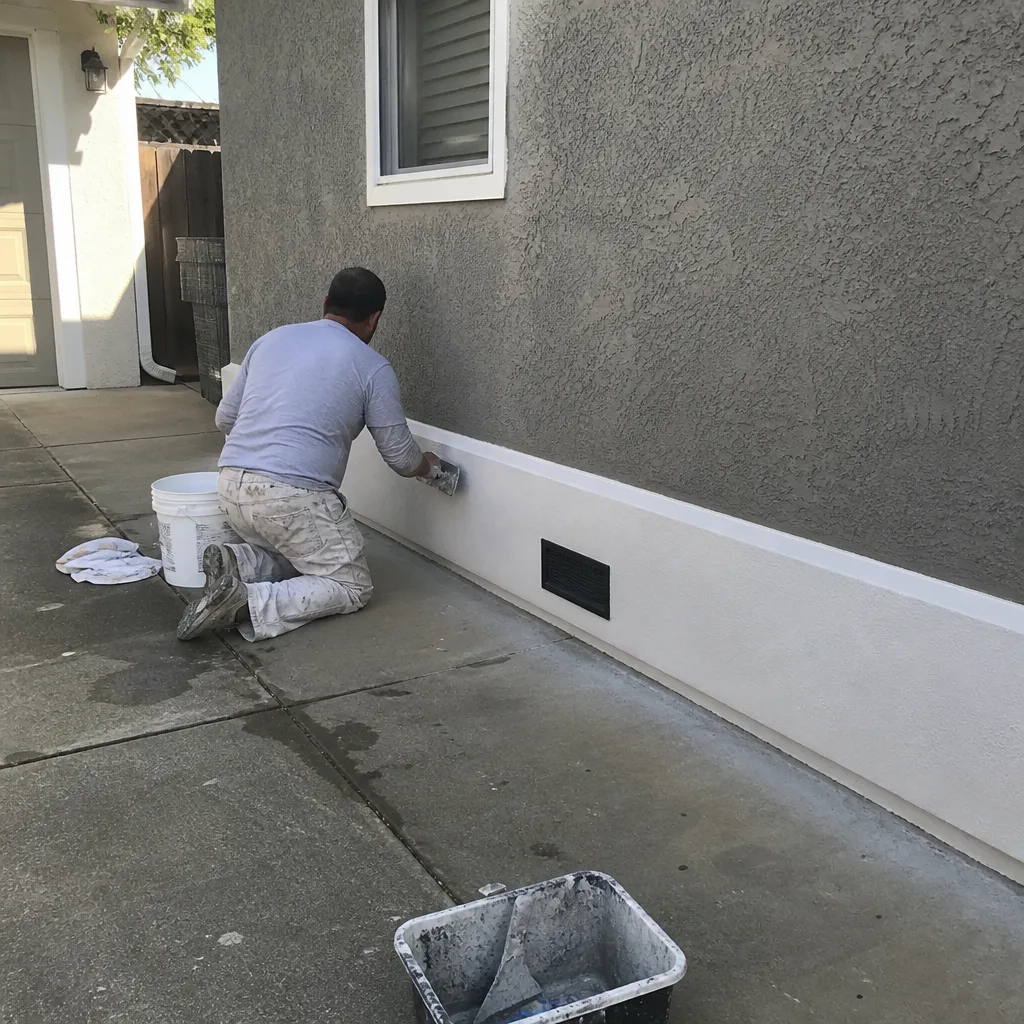 After
After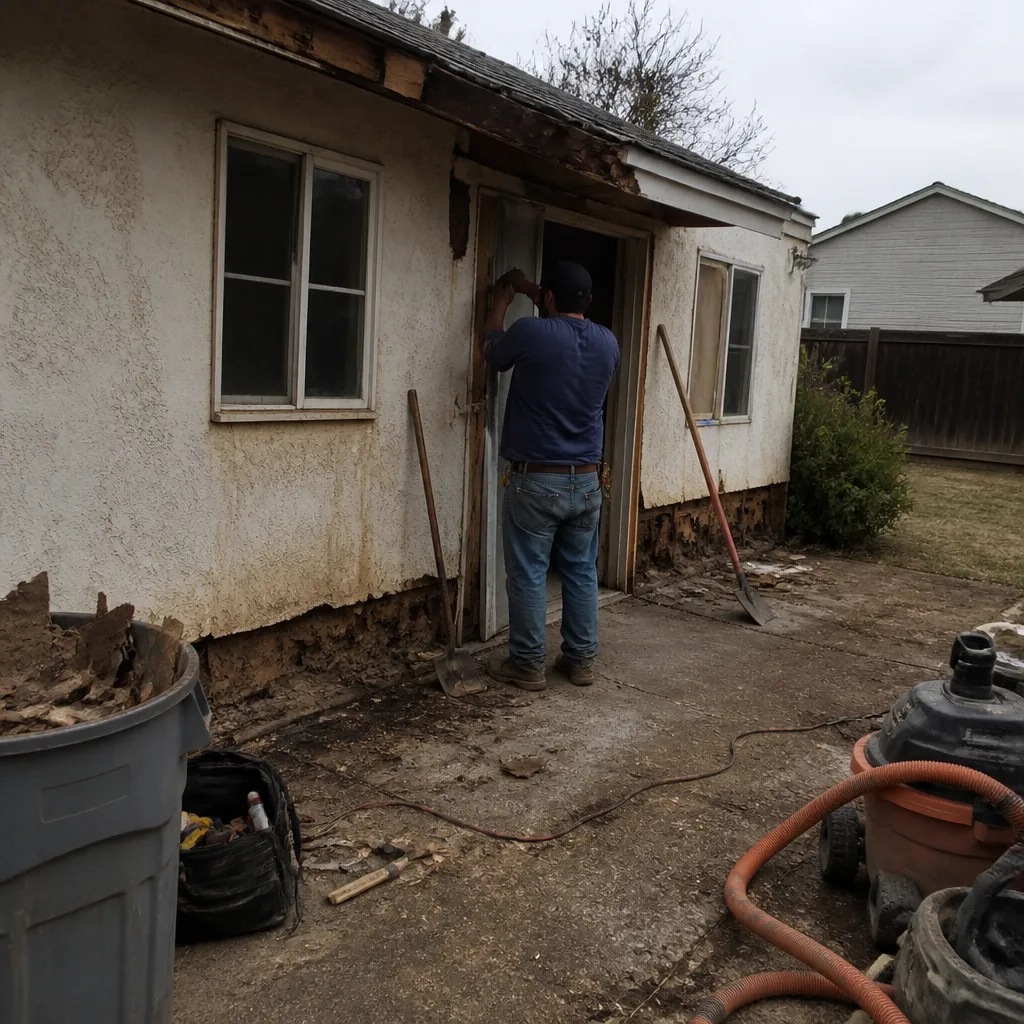 Before
 After
AfterReplacement Cost & What’s Included
Around Sacramento, re-flashing and re-trimming a single window opening runs $400 to $1,100, and a door opening like a sliding patio door or a front entry typically lands at $800 to $1,800. The spread is driven by three things: how much siding has to come off to expose the flashing, whether any of the underlying framing has rot that needs sistering, and whether we’re re-using the existing trim or cutting new HardieTrim to match. If the framing under the window is sound, the job is usually done in one visit. If the sill plate has been soaking for a couple of California rainy seasons, we’ll need to cut it out, let the cavity dry, treat the remaining lumber, and rebuild before closing up.
We write the price before the first board comes off. That number includes the flashing tape, metal head flashing, trim board or replacement sealant, any rotted lumber we find once you can see the opening, and the cleanup. The number on the written estimate is the number on the invoice. If the repair fails within 365 days, we come back and fix it at no charge. We don’t charge a service call for that return visit either. It’s the Kingswell Way: say the price before the work, show up in the window we gave, and leave the place cleaner than we found it.
Trevor Nash had a homeowner in East Sacramento call us after three other contractors told her the whole wall of windows needed replacing. She had one bad trim board and a missing head flashing. About $900 later, she was repainting the casing. We’re not in the business of selling replacements when a repair is the honest answer.
DIY or Call Us?
You can safely do the detective work: check the caulk beads around every window and door from the outside, press a finger against the drywall below each opening to feel for softness, and note which openings face southwest, because those get hammered by afternoon sun and the drying-and-cracking cycle that comes with it. Those observations will tell you how urgent the problem is and give us real information before we arrive.
What we don’t recommend is pulling the trim board off yourself to “have a look.” Once the caulk and flashing are broken, water has an open channel straight into the wall cavity, and a Sacramento storm can turn a cosmetic curiosity into a sheetrock-soaking problem in one afternoon. The removal also exposes whatever rot or insect damage is already in there. If you open it and find something beyond your ability to close back up properly, you’ll be taping plastic over an open hole until a crew can get there. The flashing details here have to be right on day one, because they’re inside the wall, covered by the same siding that was hiding the problem. If you want to understand what we’ll do before we do it, that’s a conversation we’re happy to have. Call us at (279) 300-1177 and ask for a written estimate. There’s no charge for it, and you’ll know the number before you decide anything.
FAQs

HardieTrim boards themselves can last 30 years or more in Sacramento, but the caulk joints and flashing around them typically fail within 5 to 10 years, especially on sun-exposed southern and western walls. The board doesn’t rot; the connection around it fails first. That’s why we check and re-seal openings on a schedule, not just when water shows up inside. Call (279) 300-1177 if you want us to assess your openings and give you a written price for any joint work.
Most failing flashings and trim boards around windows and doors can be repaired without touching the window or door itself. We remove the trim, re-flash the opening correctly, replace or re-install the trim, and re-seal the joints. The window only gets replaced if the frame itself has been compromising the opening, or if the window is already failing independently. On most Sacramento homes, the opening needed better flashing and trim work, not a new window. A full window replacement typically runs $4,500 to $15,000 in Sacramento, so we’ll always try the $900 repair first when it will actually hold. Call (279) 300-1177 to get an exact quote, and the estimate is free.
A single window opening without rot underneath is usually a same-day job. A door opening with rot in the sill plate or jamb typically takes one to two days, and it may require returning after the cavity has dried. We’ll give you a defined arrival window before we start, and we clean up the work area before we leave. Call (279) 300-1177 if you want us to look at your specific opening and put a written number on it.
We stock James Hardie-compatible flashing tape, metal head flashings, sealants, and the most common HardieTrim profiles and widths on our trucks, so most repairs go in one visit. If you have a less common profile or an unusually wide trim needing to be ordered, we’ll tell you that in writing before the work starts, including the exact material cost and the arrival window for the part. Same goes for parts branded by KraftMaid, Cambria, or Silestone if your project touches those. Call (279) 300-1177 and we’ll tell you straight whether we can do it today or need a day to bring the board in.
Written by Trevor Nash, Owner, Penhallow Remodeling Sacramento at Penhallow Remodeling Sacramento, serving Sacramento and nearby areas.