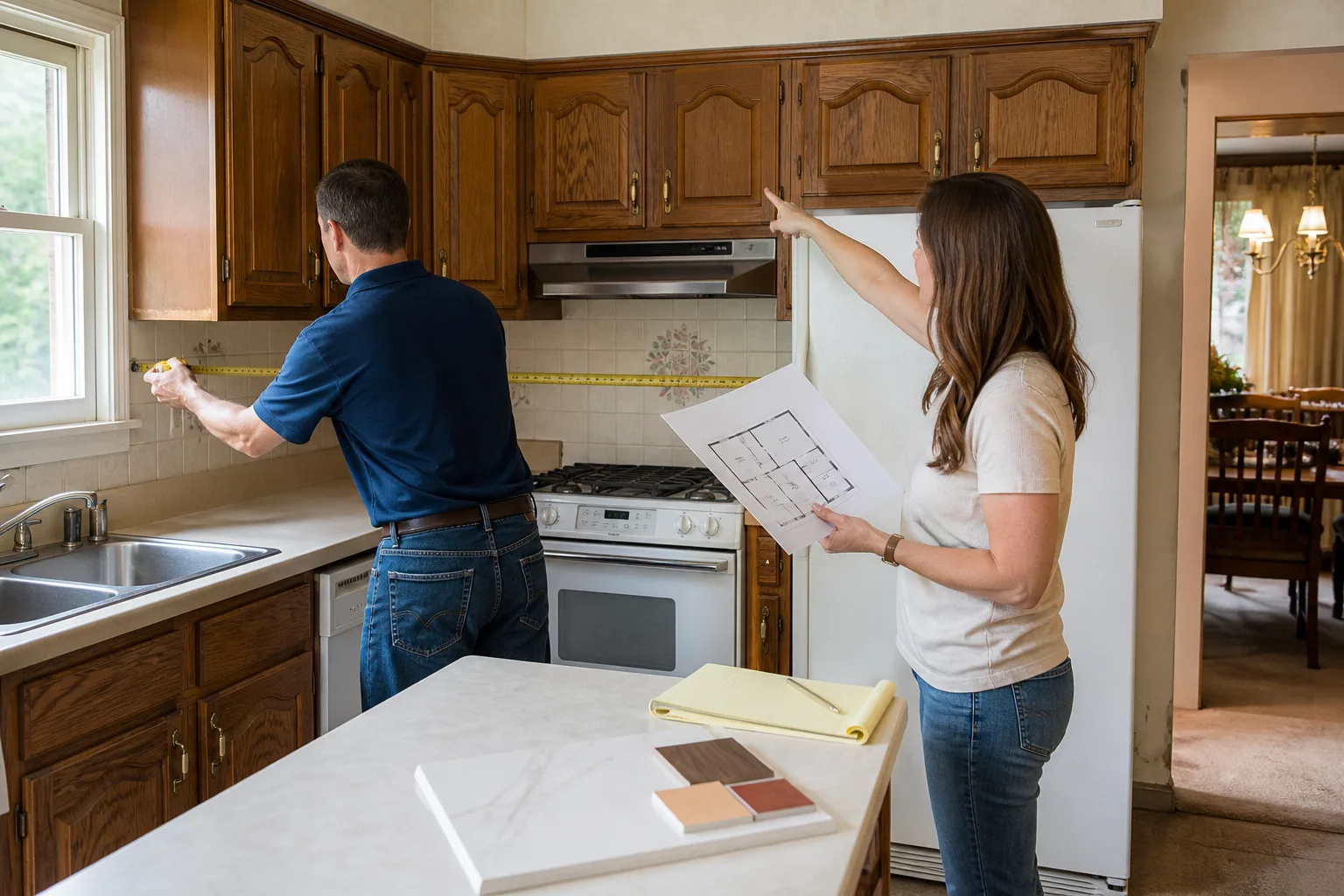

Free written scope consultation - allowances, timeline, and change-order rules on paper before a single trade is scheduled
Owens Corning Home Additions & ADU: The Sacramento Owner’s Guide
If you’re planning a home addition or ADU in Sacramento using Owens Corning insulation and building materials, you’re likely looking at a full project cost of $45,000 to $130,000 for the addition itself, with ADU construction running $90,000 to $220,000 depending on size, foundation work, and finish level. The Owens Corning products inside those projects – the PINK fiberglass insulation, the FOAMULAR rigid board, the Thermafiber mineral wool – are the quiet workhorses that determine how comfortable and energy-efficient that new space actually feels. Most Sacramento homeowners don’t discover an Owens Corning product issue until they notice a room that won’t hold temperature, a spike in their SMUD bill, or condensation building up on a newly framed wall. That’s when we get the call to open up a wall and see what’s really happening behind the drywall.
We’re Penhallow Remodeling Sacramento, and while we’re an independent general contractor – not affiliated with Owens Corning – we work with their full line of insulation and air-sealing products on home additions and ADU projects throughout the Sacramento area. Trevor Nash and our crew have framed and finished enough additions in neighborhoods like East Sacramento, Land Park, and Natomas to know exactly which Owens Corning product belongs in which cavity, and what happens when the wrong R-value or the wrong installation method gets used. If you’re reading this because your addition isn’t performing the way it should, or because you’re pricing out the right materials before a build, you’re in the right place.
Which Owens Corning Models This Applies To
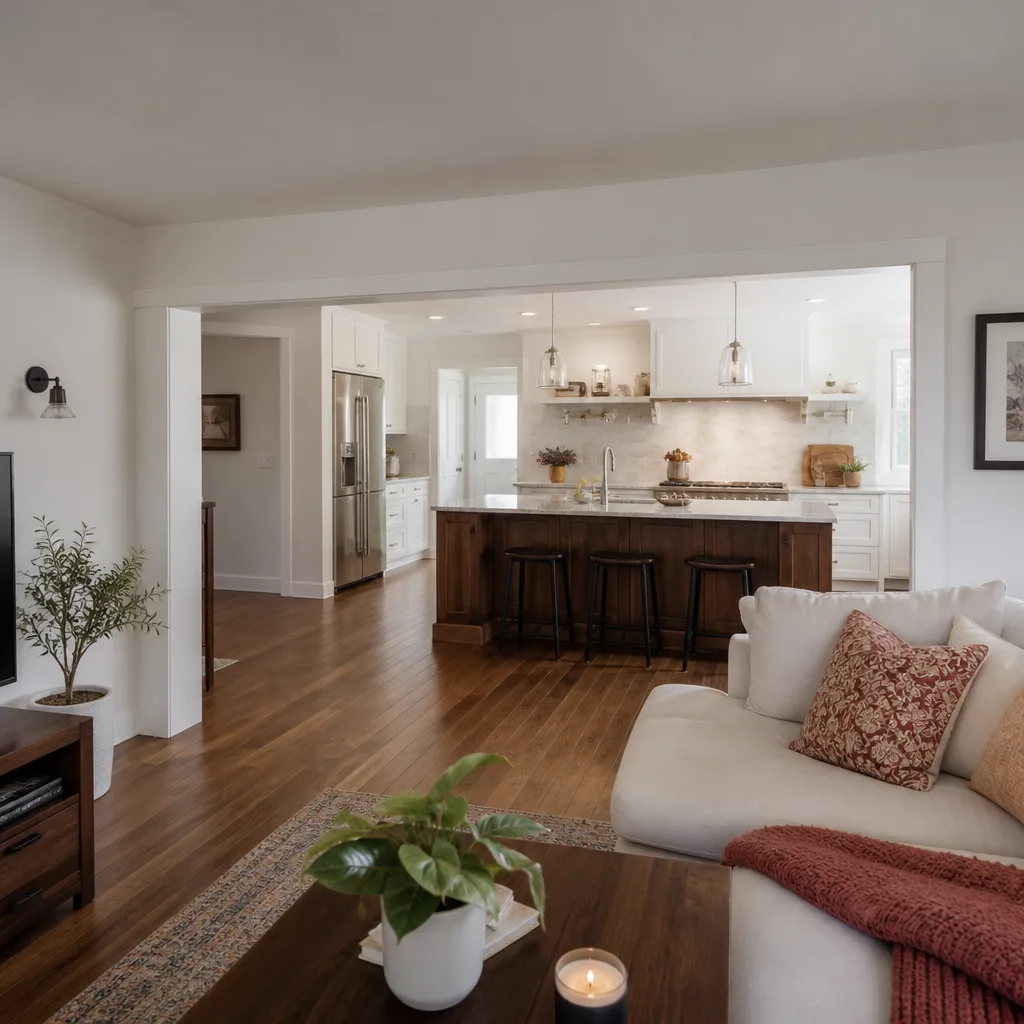
Owens Corning makes a broad line of insulation products, and the compatibility question usually comes down to where the product lives in your wall, floor, or ceiling assembly. The big categories we regularly specify and install on Sacramento additions and ADUs are:
- EcoTouch PINK Fiberglass Batts – available in R-13, R-15, R-19, R-21, R-30, and R-38. These go in standard 2×4 and 2×6 wall cavities, floor joists, and attic spaces. The R-15 and R-21 high-density batts are the ones we use most often in Sacramento’s climate zone for exterior walls on additions.
- FOAMULAR XPS Rigid Foam Board – comes in R-5, R-7.5, R-10, and R-15 per inch thicknesses. This is the continuous exterior insulation we use under stucco and siding on ADUs, and under slab foundations where Sacramento’s clay soil pulls moisture up into the structure.
- Thermafiber Mineral Wool – R-15 and R-23 batts for interior partition walls and fire-rated assemblies between an ADU and a main house, which Sacramento building code requires when the ADU is attached.
- ProPink Blown-In Insulation – R-30 to R-60 for attic spaces over additions where loose-fill makes more sense than batts.
The compatibility gotcha we see most often in Sacramento: homeowners or handymen buy the wrong batt width for the framing. A 2×6 wall needs a 5.5-inch batt (typically R-19 or R-21), not the 3.5-inch R-13 meant for 2×4 framing. If you compress a thicker batt into a shallower cavity, you lose R-value fast – and you just paid for insulation performance you’re not getting. If you’re swapping or adding material after a failed inspection or a drafty first winter, measure the actual cavity depth and width before you buy anything. The Owens Corning product code is printed on the batt facing – look for the R-value and the width so you’re matching apples to apples.
On the OEM-versus-aftermarket question: Owens Corning is the aftermarket within its own category. It’s the recognized standard for insulation and air-sealing products on residential construction. We don’t spec generic no-name batts or off-brand rigid foam from a big-box discount pallet, because those products lack the third-party tested R-value documentation that Sacramento’s building inspectors want to see on a permitted addition. The Owens Corning label itself carries weight at inspection time. For other materials on the same project – KraftMaid cabinetry, Cambria or Silestone counters – we take the same approach: name-brand products with documentation and warranties that hold up when a problem shows up two years later.
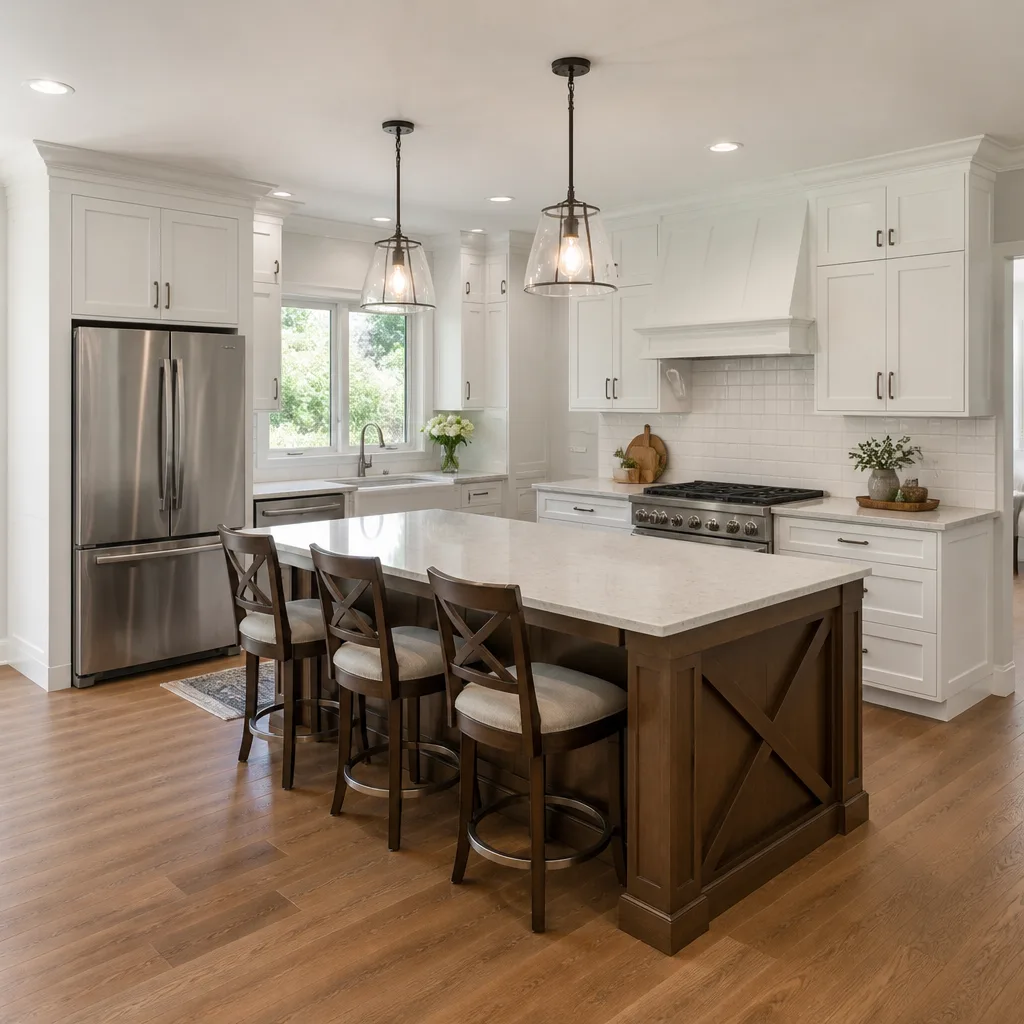
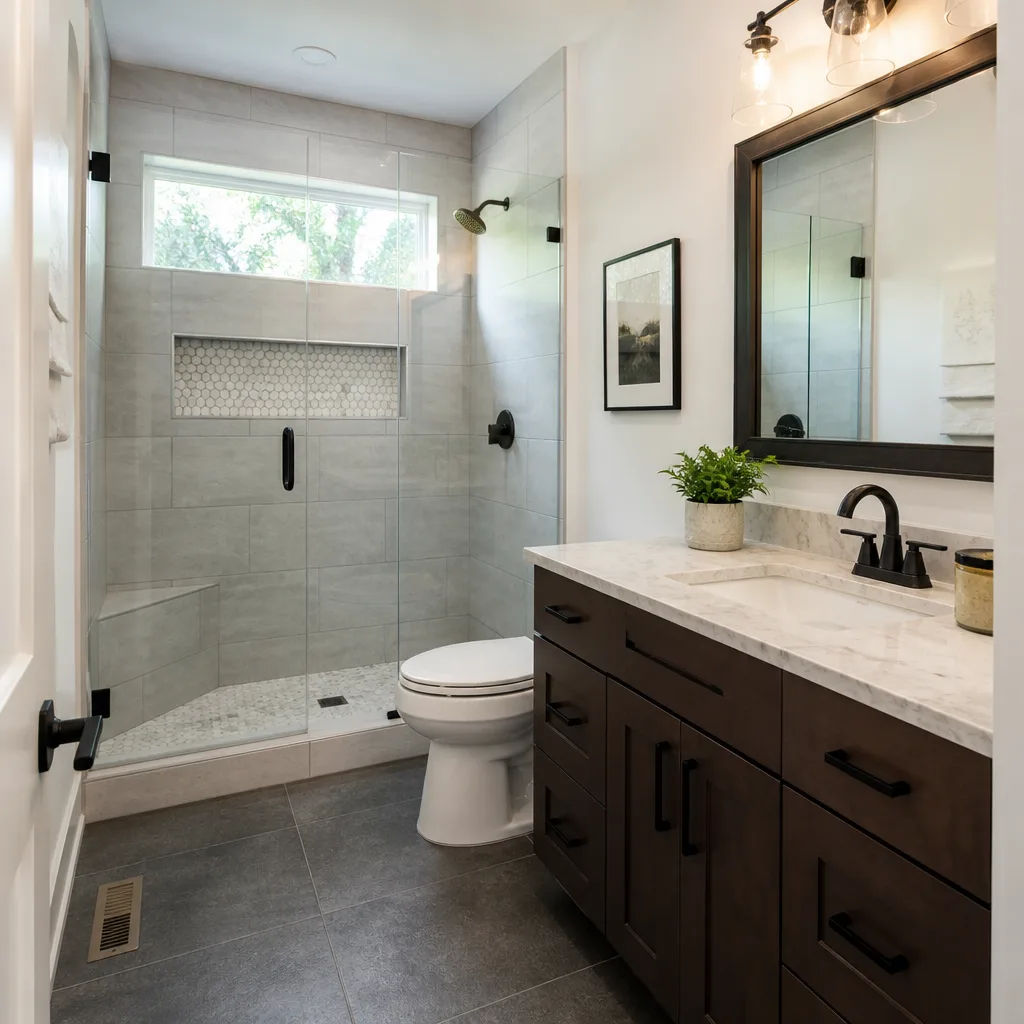
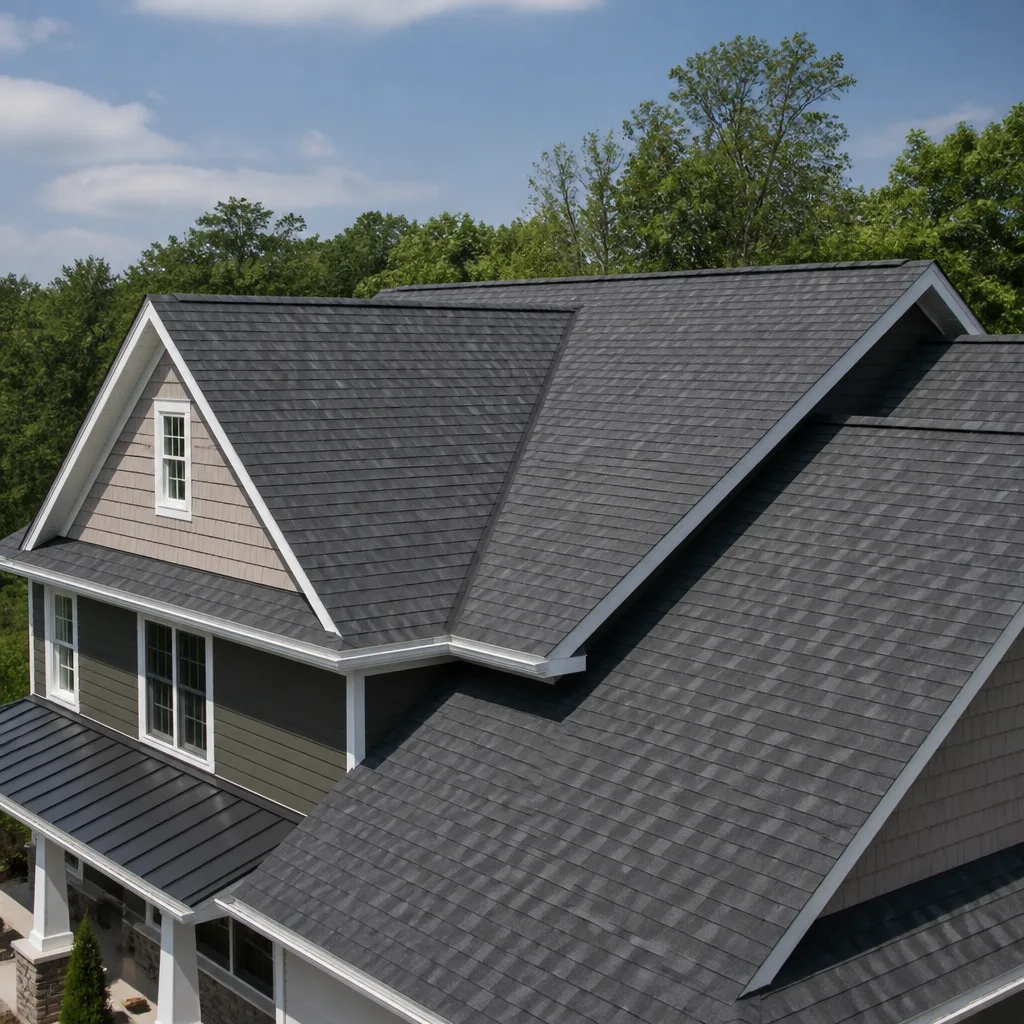
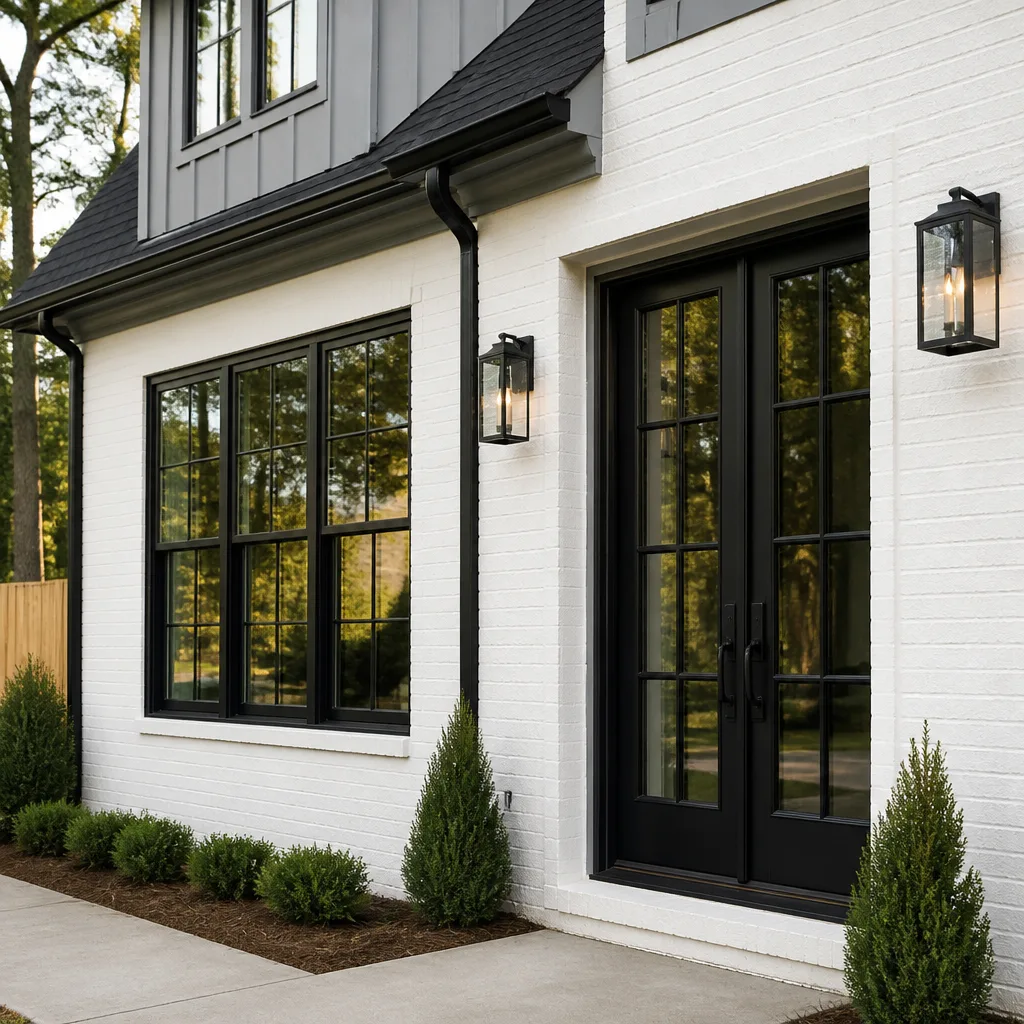
Styles & brands we work with
Signs Your Owens Corning Home Additions & ADU Is Failing
- The new room won’t hold temperature. The addition is 8 to 10 degrees warmer than the rest of the house in July, or cold-soaked in January no matter what the thermostat says. This usually means batts were compressed, gaps were left around electrical boxes, or the wrong R-value was used for a Sacramento climate zone that needs R-15 minimum in walls and R-38 minimum in attics.
- Your SMUD bill jumped after the addition was finished. A well-insulated addition should barely register on your energy usage. If your bill spiked 30 to 40 percent and stays there, the conditioned air is leaking somewhere – and insulation gaps are the most common culprit we uncover.
- Condensation or moisture staining on interior walls or windows. When warm indoor air hits a cold wall cavity with no proper vapor retarder or insufficient insulation, you get condensation inside the wall. Over time that shows up as water stains, bubbling paint, or mold smell. This is the one to take seriously – Sacramento’s dry summers hide moisture problems that Sacramento’s wet winters then reveal.
- Rodent or pest activity in the attic or wall cavities. Blown-in ProPink and batt insulation get tunneled through by roof rats, which are everywhere in Sacramento’s older neighborhoods. If you’re finding droppings or hearing scratching, the insulation has been compromised and its R-value is effectively gone in those areas.
- The inspector flagged it, or your energy audit did. If a Sacramento building inspector wrote up a correction for missing R-value, uncovered cavities, or improper vapor barrier placement, that’s not paperwork – that’s a real performance problem that will cost you money every month until it’s fixed.
See the difference
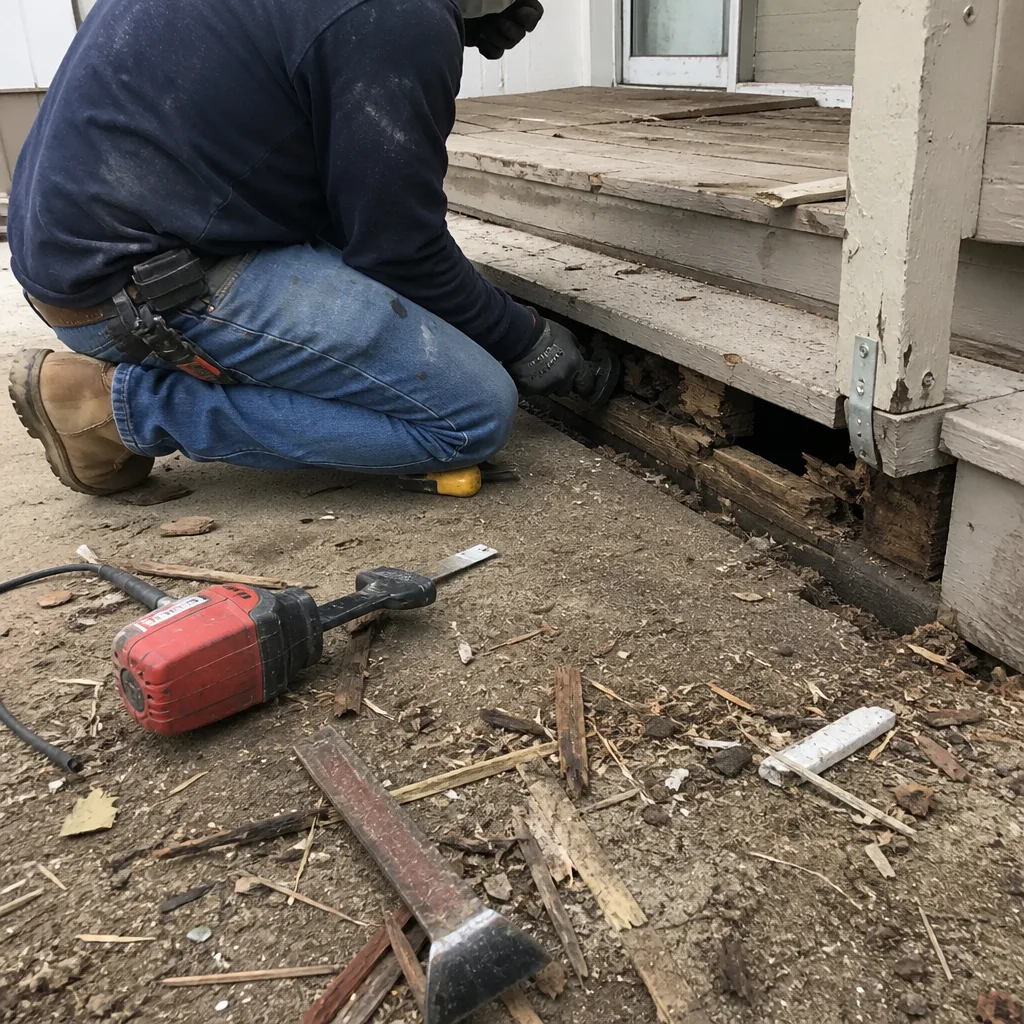 Before
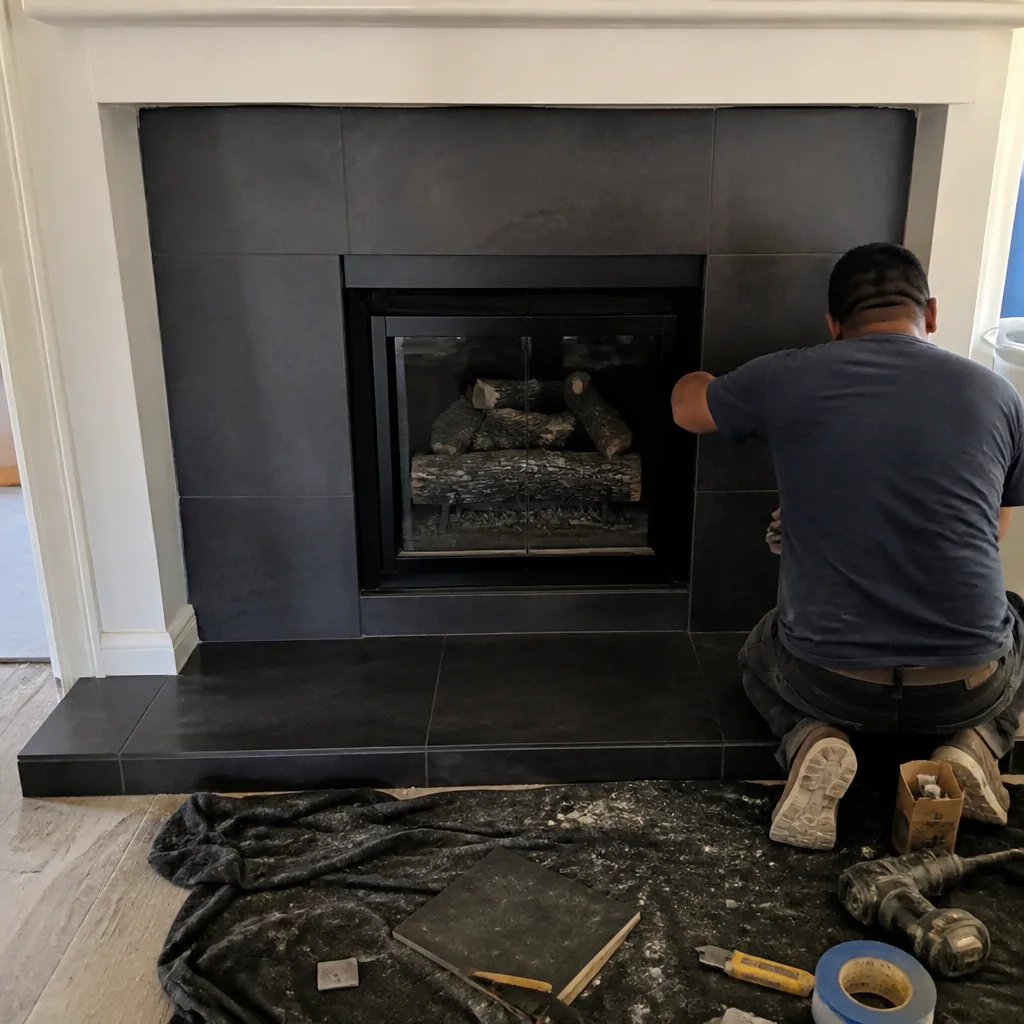 After
After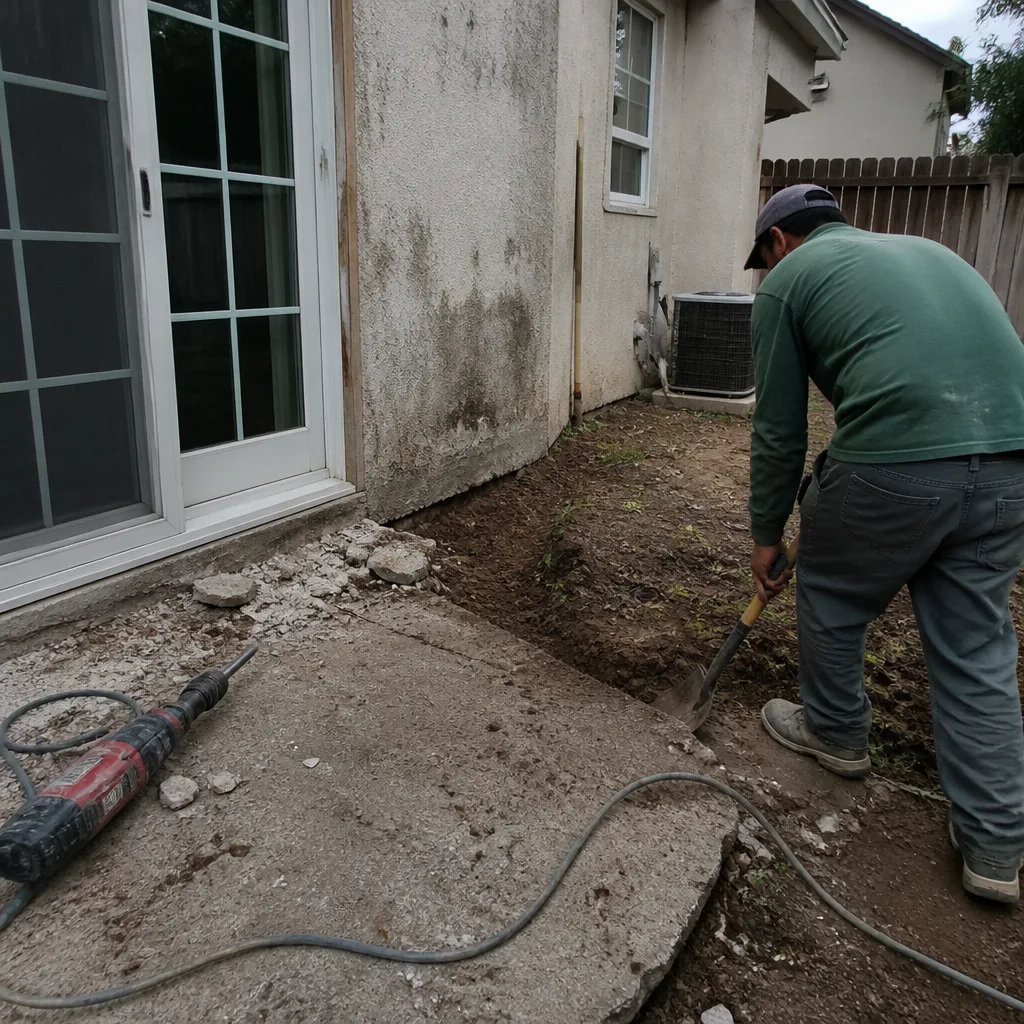 Before
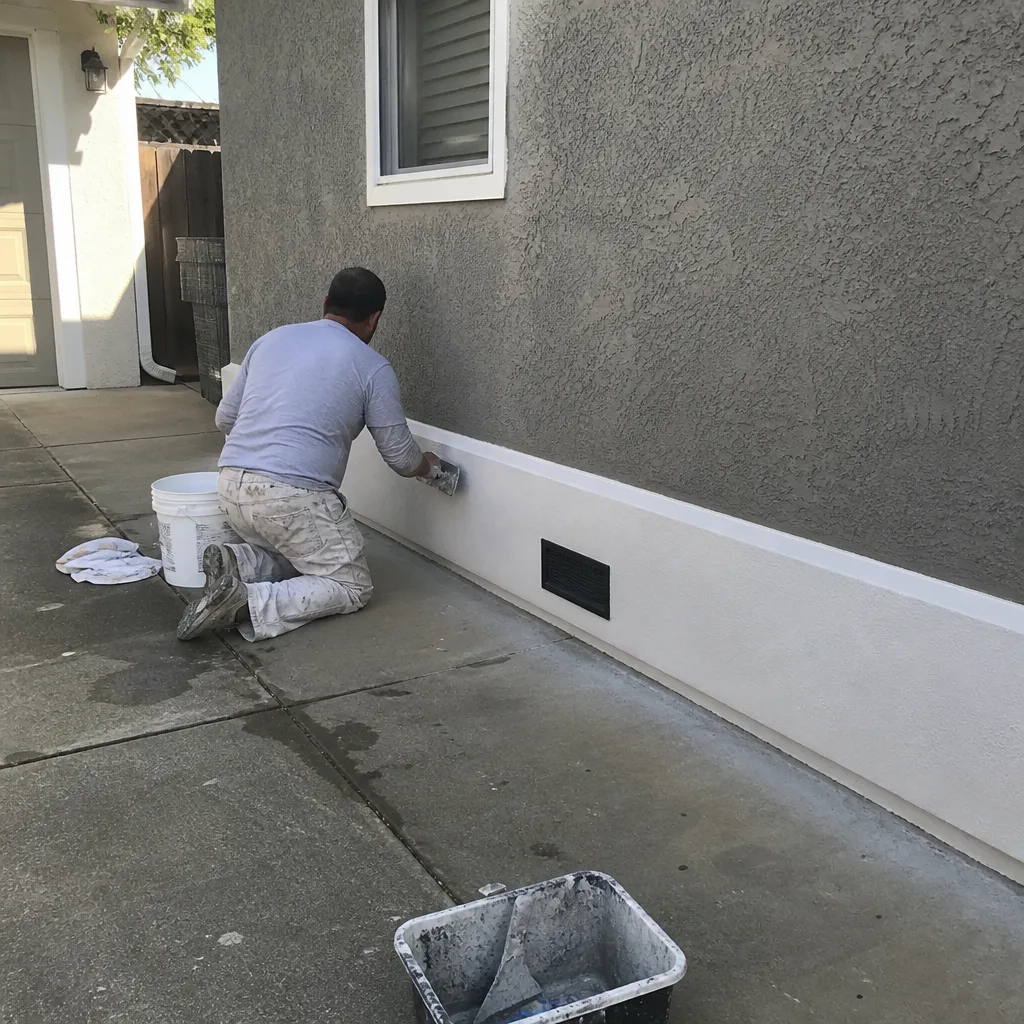 After
After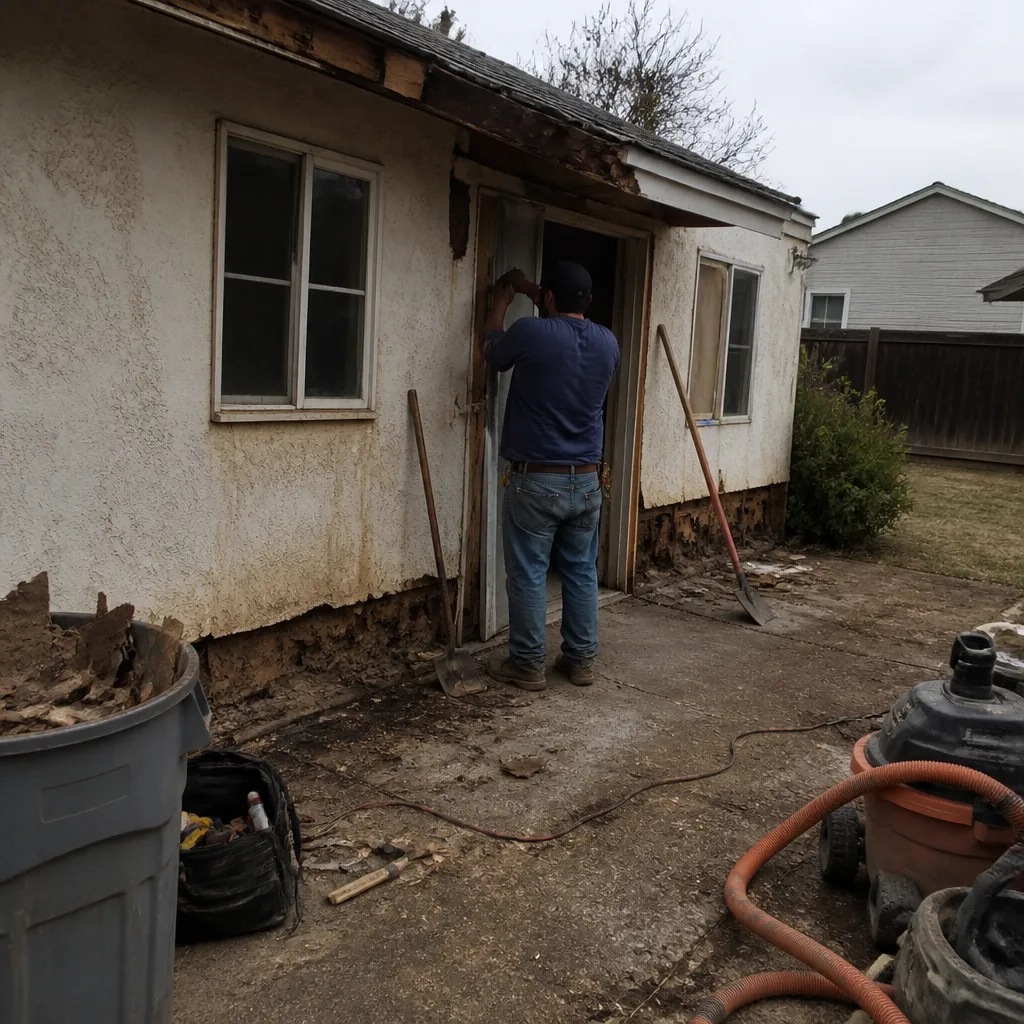 Before
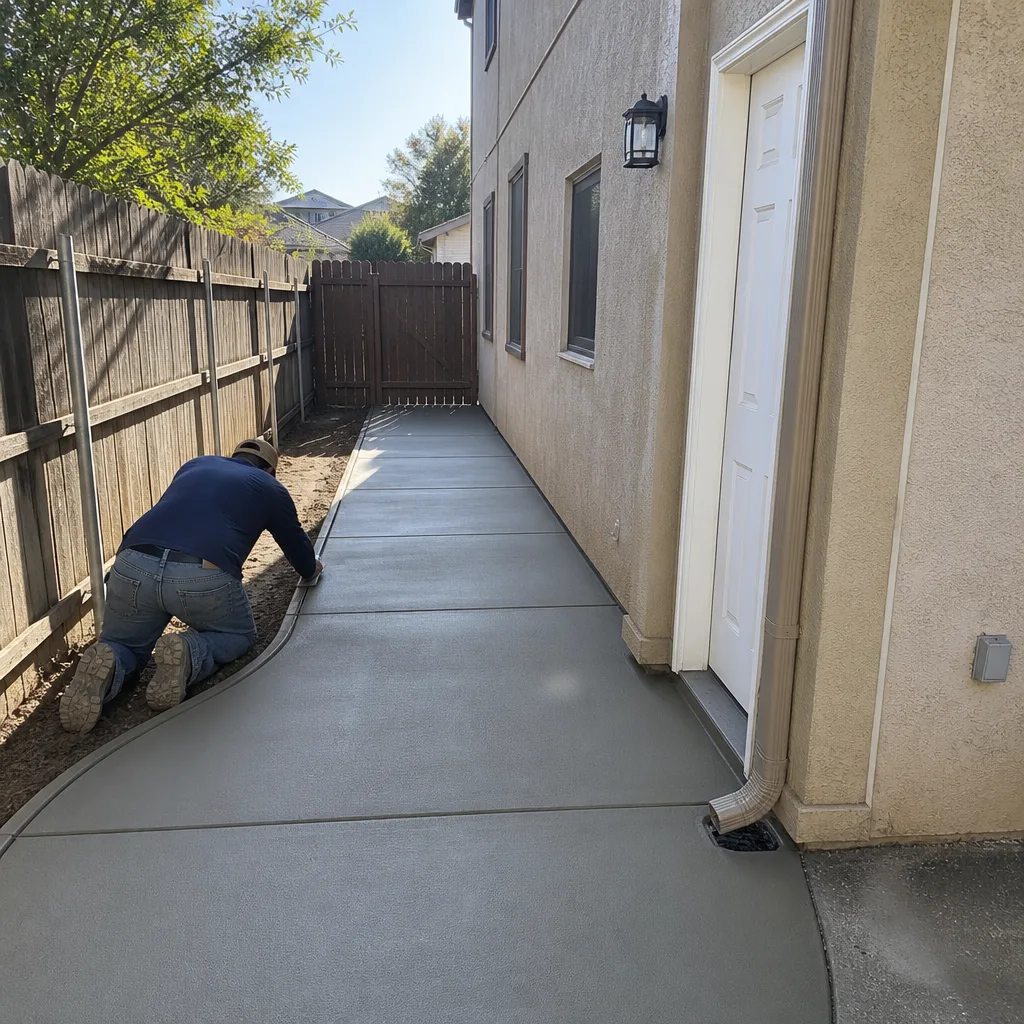 After
AfterReplacement Cost & What’s Included

When we’re correcting or replacing Owens Corning insulation as part of a home addition or ADU project in Sacramento, the work is priced as part of the larger scope. But here’s what you’re looking at for the insulation-specific line items:
- Insulation replacement in an existing addition or ADU: $2,000 to $8,000, depending on square footage, access, and whether we’re pulling drywall to get to the problem cavities.
- Full insulation package for a new addition (materials, labor, air sealing): $4,000 to $15,000, sitting inside the overall $45,000 to $130,000 home addition cost.
- ADU insulation and air sealing as a line item: $6,000 to $18,000 within the $90,000 to $220,000 ADU construction range.
What drives the number: whether the walls are open or closed, the R-value your permit requires, whether we need to remove and dispose of failed or pest-damaged material, and how much air sealing the assembly needs. Every Penhallow project gets a written price before work starts – not an estimate range, not a verbal ballpark – a written number you can hold us to. We also put the guarantee in writing: if the work fails inside the 365-day window, our Done Right Promise means we come back and fix it at no charge. No service call fee, no re-inspection fee. The number on day one is the number on the invoice.
DIY or Call Us?
If you’re adding batt insulation to an open wall cavity on a new addition, a homeowner with patience can do that job. Cutting batts to fit around electrical boxes, wearing long sleeves and a proper mask – it’s within reach. But here’s where we see DIY go wrong in Sacramento specifically: vapor barrier placement. In a mixed climate like ours – hot dry summers, cold wet winters – the vapor retarder has to go on the correct side of the insulation or you’re building a mold incubator into your new ADU wall. We also regularly fix DIY work where batts were stuffed into cavities too small for them, crushed around wires, or left with gaps at the top and bottom plates. Each of those mistakes cuts the effective R-value dramatically.
The honest split: if the walls are open on a permitted addition, you can insulate it yourself if you research the right product and install it carefully. If the walls are closed, if you’re dealing with moisture or pest damage, or if an inspection flagged the work, call us at (279) 300-1177. We’ll open it up, see what’s actually in there, and tell you straight what it takes to fix it. The estimate is free.
FAQs
In a dry wall cavity with no pest or moisture issues, Owens Corning fiberglass and mineral wool insulation should last the life of the structure – 40 to 60 years or more. The products that fail early are almost always failed by installation mistakes, moisture intrusion, or rodent damage, not by material breakdown. Call us at (279) 300-1177 if you’re seeing signs of trouble and we’ll give you an honest assessment and a free estimate.
Yes, for localized issues. If the problem is a single bay with rodent damage or a compressed batt, we can spot-replace that section. If the issue is systematic – whole walls under-insulated, vapor barrier on the wrong side, or moisture through the assembly – a full replacement is usually the smarter long-term move. Call (279) 300-1177 and we’ll tell you which one you’re looking at after we see it in person.
Most insulation corrections in one room or one wall assembly take one to two working days, including opening the drywall, removing the failed material, reinstalling the correct Owens Corning product, and patching the walls back. A full addition or ADU re-insulation can run three to five days depending on scope. We’ll give you a written schedule before work starts.
We order Owens Corning products per job, spec’d to the exact R-value and product type your Sacramento permit requires. We don’t keep a warehouse full of batts, but we have direct accounts with local Sacramento suppliers, so material isn’t a delay on our end. We can also coordinate ordering the right product if you’re doing part of the work yourself.
Written by Trevor Nash, Owner, Penhallow Remodeling Sacramento at Penhallow Remodeling Sacramento, serving Sacramento and nearby areas.