Free written scope consultation - allowances, timeline, and change-order rules on paper before a single trade is scheduled
Quikrete Home Additions & ADU: The Sacramento Owner’s Guide
If you’re planning a home addition or ADU on a Quikrete slab or foundation system, the installed cost in Sacramento typically runs $45,000 – $130,000 for a home addition and $90,000 – $220,000 for a full ADU, depending on square footage, site prep, and finish level. Penhallow Remodeling Sacramento works with Quikrete products daily – we know how they perform in Sacramento’s clay-heavy soils, hot summers, and wet winters, and we can tell you exactly what’s happening with your slab, footing, or stem wall before you spend a dime on framing. Most homeowners discover a problem when they see hairline cracks widening seasonally, a door that suddenly won’t latch, or moisture wicking up through the slab edge.
We’re an independent Sacramento general contractor, not affiliated with Quikrete – but we specify, pour, and finish their products on additions and ADUs across the region, which means we can match the right mix, cure time, and waterproofing to your existing foundation instead of guessing.
Key Takeaways:
- Home additions in Sacramento: $45,000 – $130,000; ADUs: $90,000 – $220,000, all-in
- Quikrete slab failures usually show as seasonal cracking, door misalignment, or efflorescence (white mineral staining)
- Sacramento’s expansive clay soil is the #1 reason Quikrete foundations move here
- We provide a written price before any work starts, and a 365-Day Done Right Promise in writing
- Call (279) 300-1177 for a free on-site assessment
Which Quikrete Models This Applies To
Quikrete doesn’t sell “models” the way an appliance brand does – it sells specific concrete and mortar products, and the one that matters for your addition or ADU depends on what the original builder poured. In Sacramento, we most often see Quikrete 5000 (a 5,000 PSI high-strength mix used for structural slabs and footings), Quikrete Crack-Resistant Concrete Mix (common in residential patio slabs and walkways that later get enclosed), and Quikrete Concrete Bonding Adhesive (used when new concrete is poured against old). If your existing slab has a smooth, almost glassy finish with no visible aggregate, you’re likely looking at a Quikrete 5000 pour. If it has slight fiber hairs visible at broken edges, that’s the crack-resistant mix.
The compatibility gotcha most Sacramento homeowners miss: you can’t just pour any new mix against an old slab. Different PSI ratings, different cure rates, and different water ratios mean two adjacent pours can move independently. That’s the #1 cause of step cracks at addition thresholds. We match the existing slab’s composition precisely, and we use Quikrete’s bonding adhesive between old and new pours so the two sections behave as one. OEM Quikrete product is our default; aftermarket equivalents exist but saving $4 a bag on a $100,000 addition is false economy when the foundation is what everything sits on.
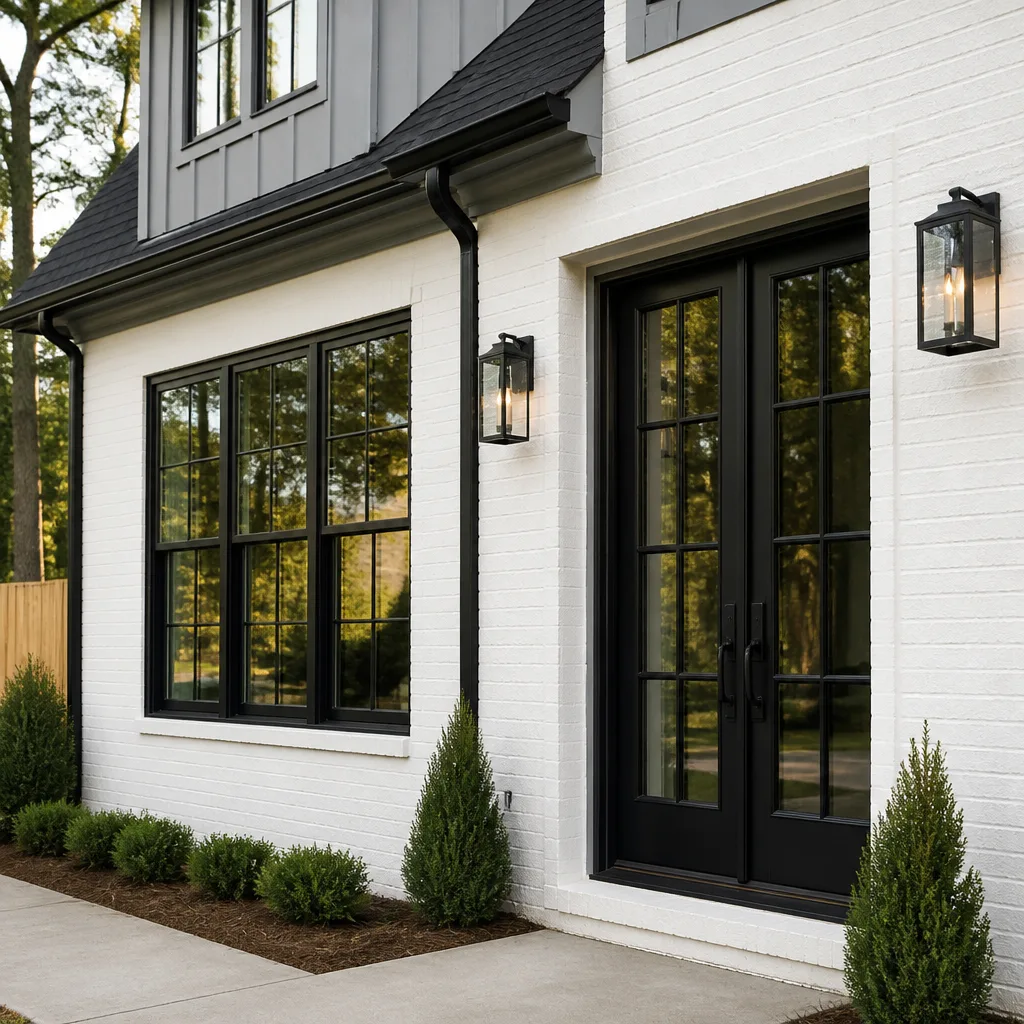
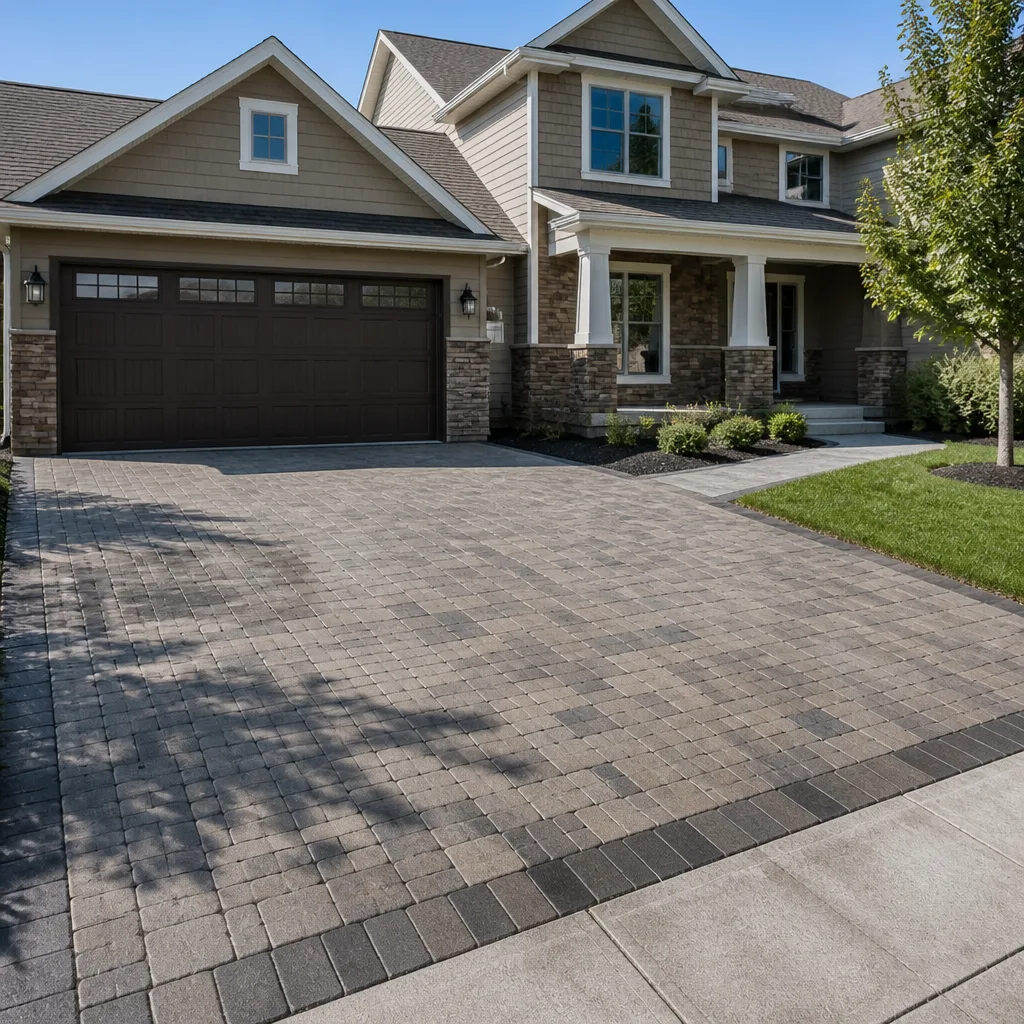
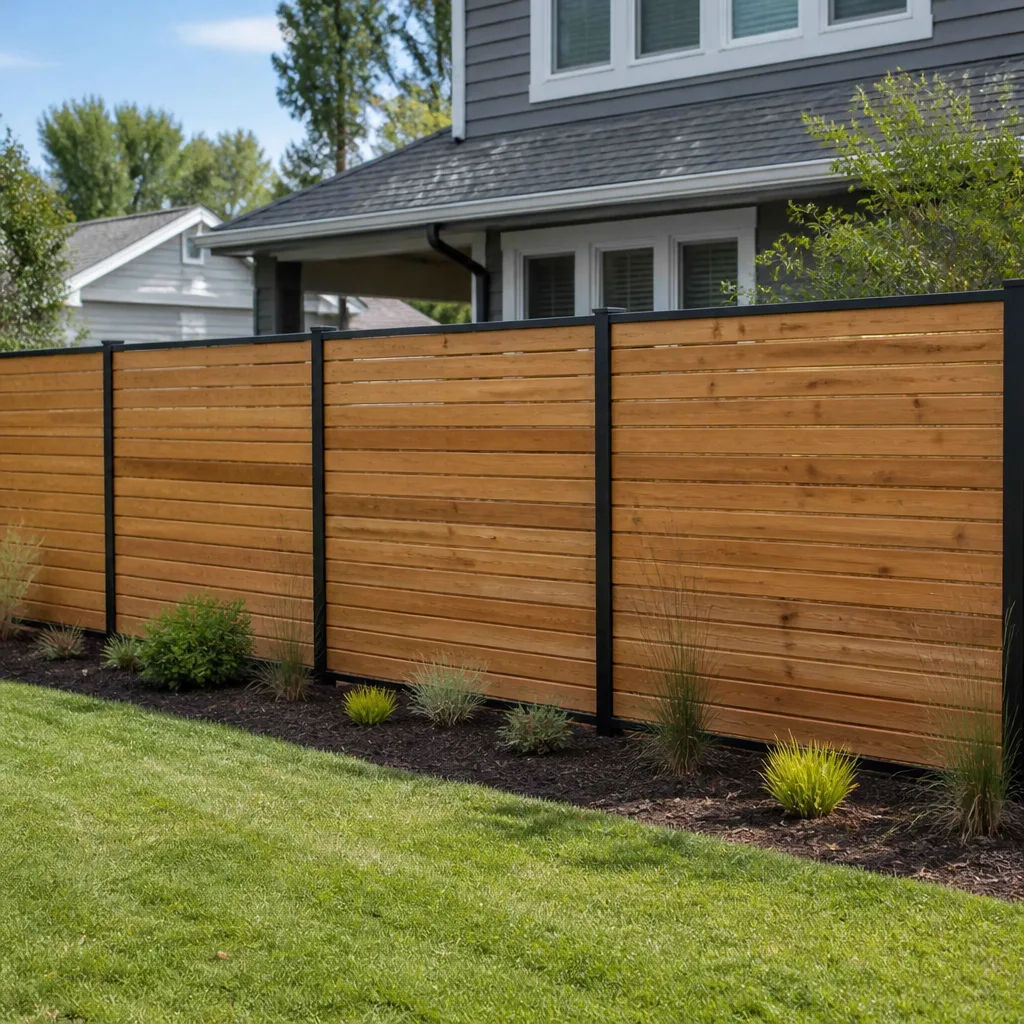
Styles & brands we work with
Signs Your Quikrete Home Addition or ADU Foundation Is Failing
- Seasonal cracks that open and close. Sacramento’s clay soil swells when wet and shrinks when dry. A crack that widens visibly between January and August is almost always soil movement under the slab, not a cosmetic surface issue.
- Doors or windows that stick in summer and close fine in winter. This is differential settling – one corner of the slab is moving while the rest stays put. In Sacramento’s hot, dry summers, the soil under the sun-exposed side loses moisture faster and drops.
- Efflorescence (white mineral staining) on the slab edge. Water is moving through the concrete and carrying salts to the surface. It usually means the original pour didn’t get a proper vapor barrier underneath, which is common in older Sacramento additions.
- A hollow sound when you tap the slab. Delamination – the top layer of the pour has separated from the body of the concrete. It typically happens when the finisher overworked the surface or the mix was too wet at pour time.
- Visible rebar rust stains bleeding through the surface. The steel reinforcing inside the concrete is corroding, which means water is getting in. Once rebar rusts and expands, it cracks the surrounding concrete from the inside out.
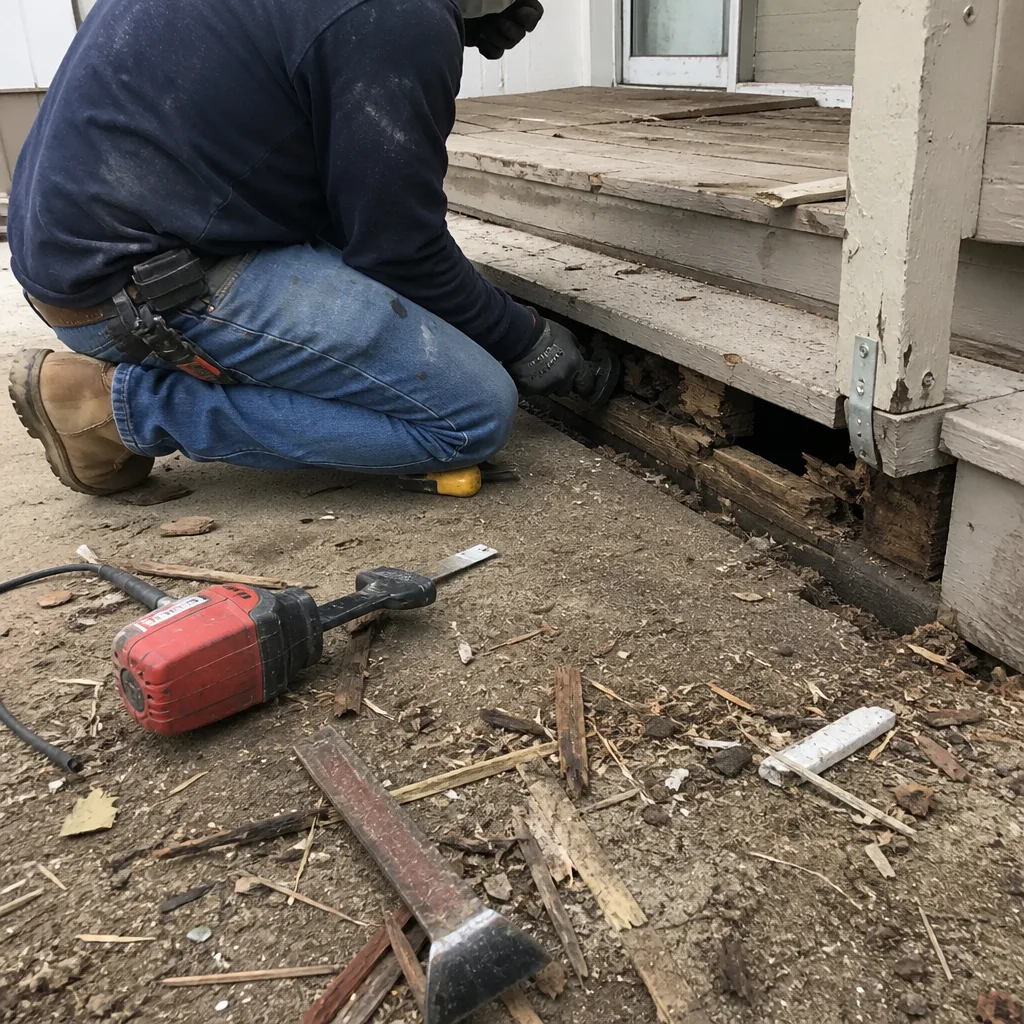
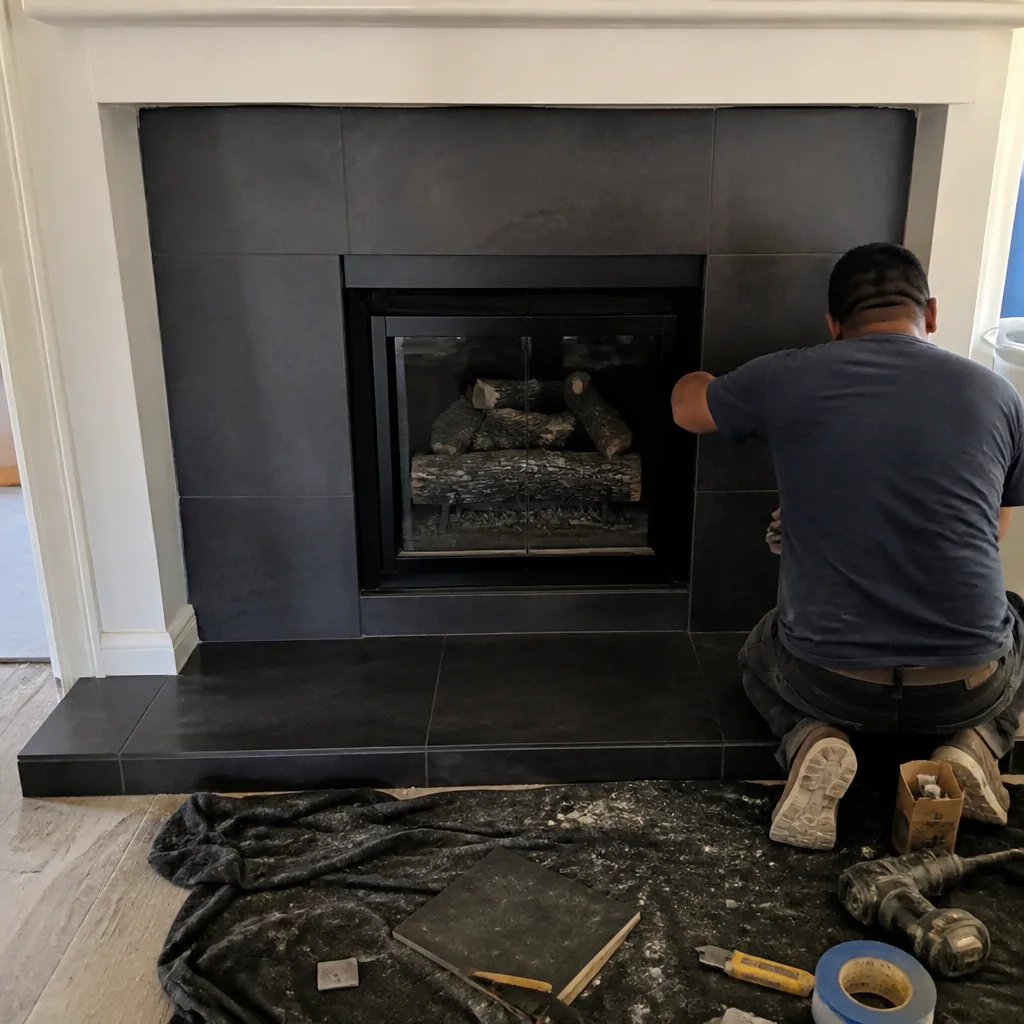
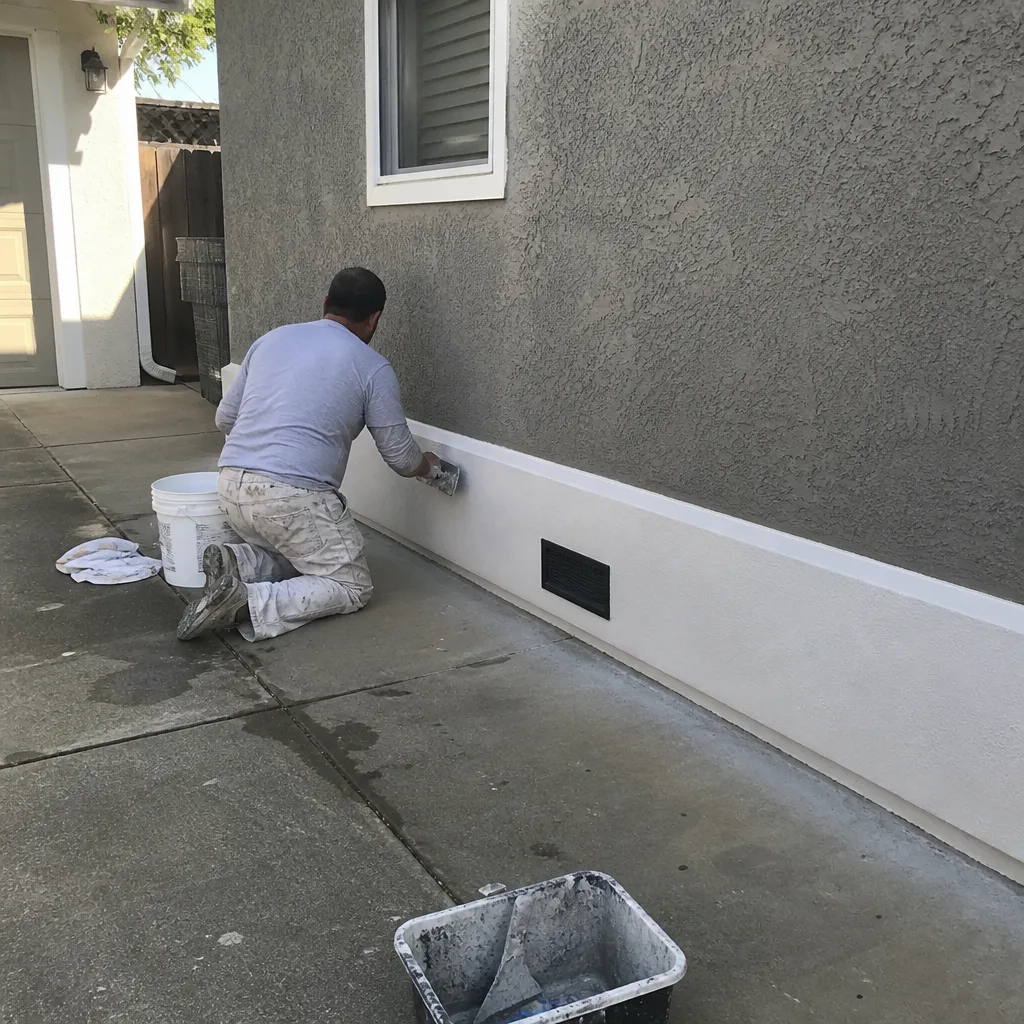
See the difference
 Before
 After
After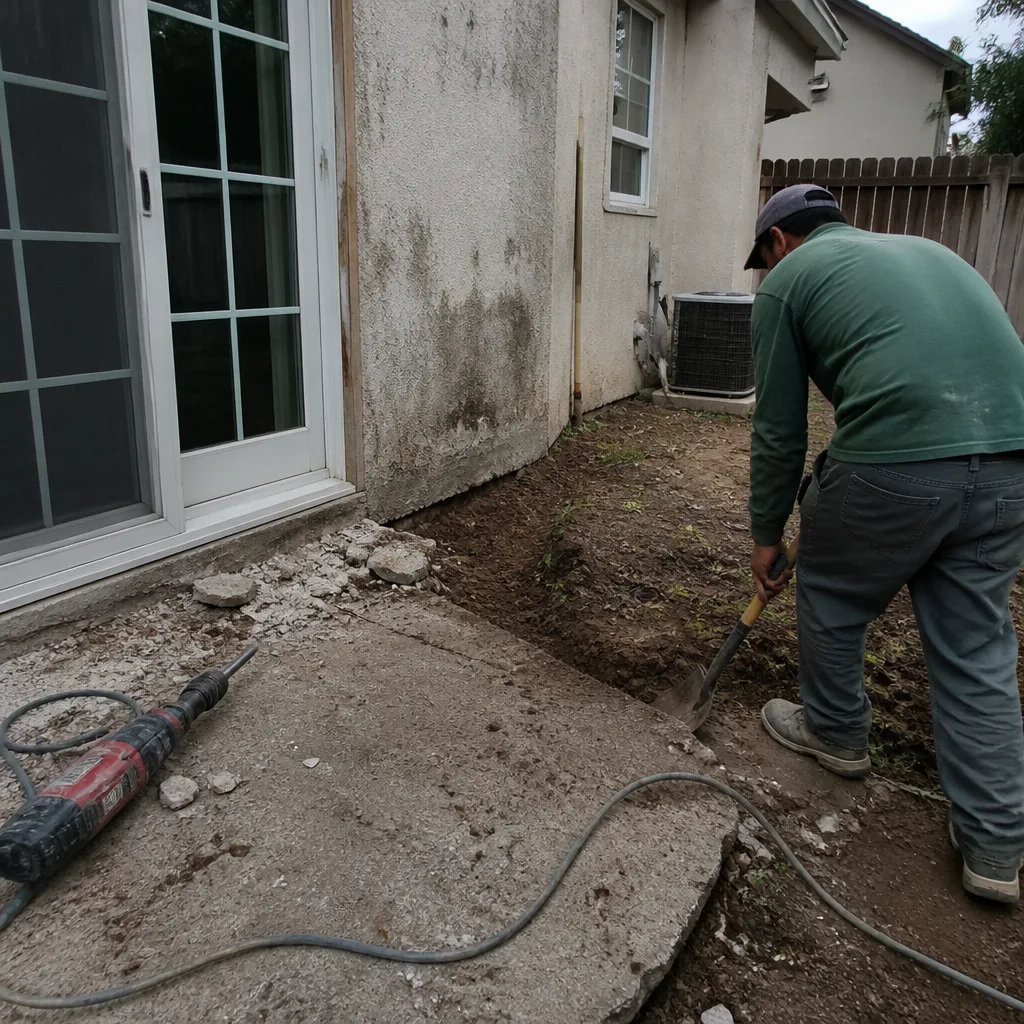 Before
 After
After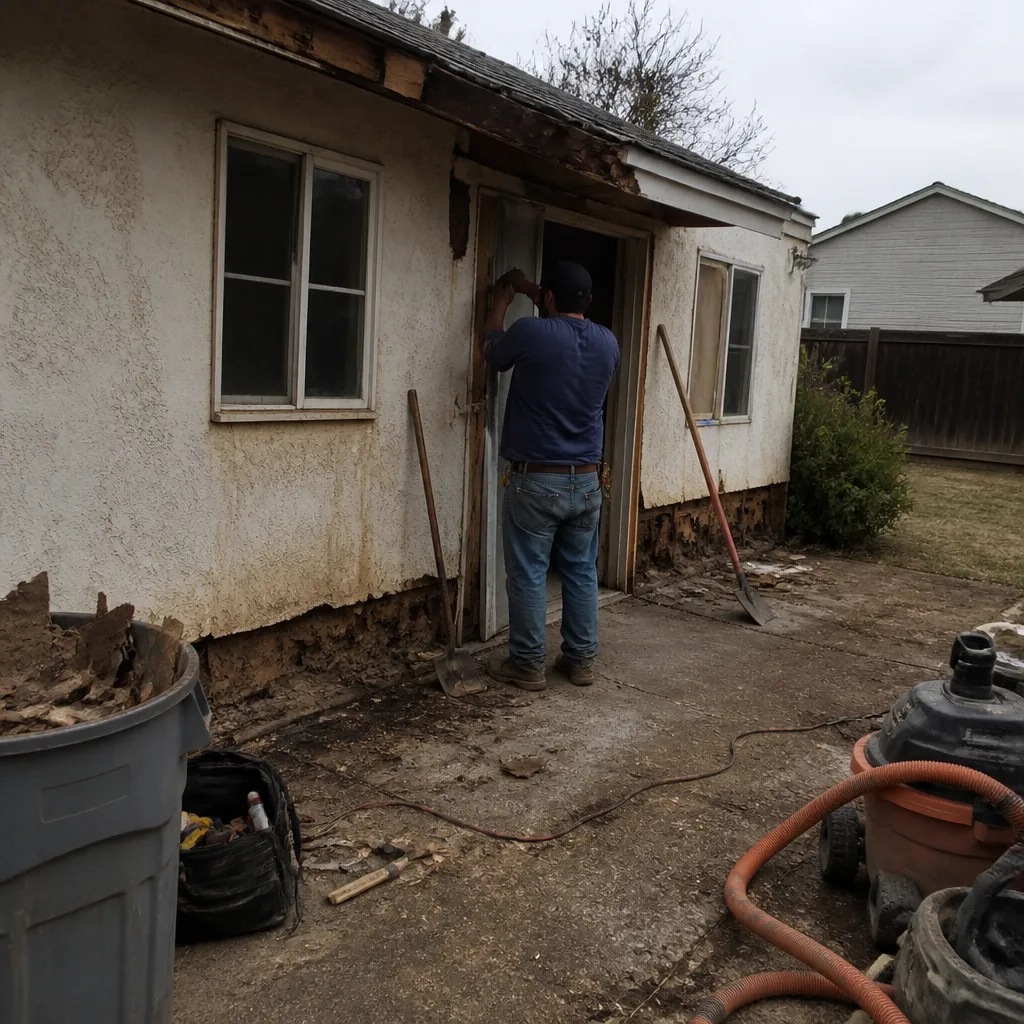 Before
 After
AfterReplacement Cost & What’s Included
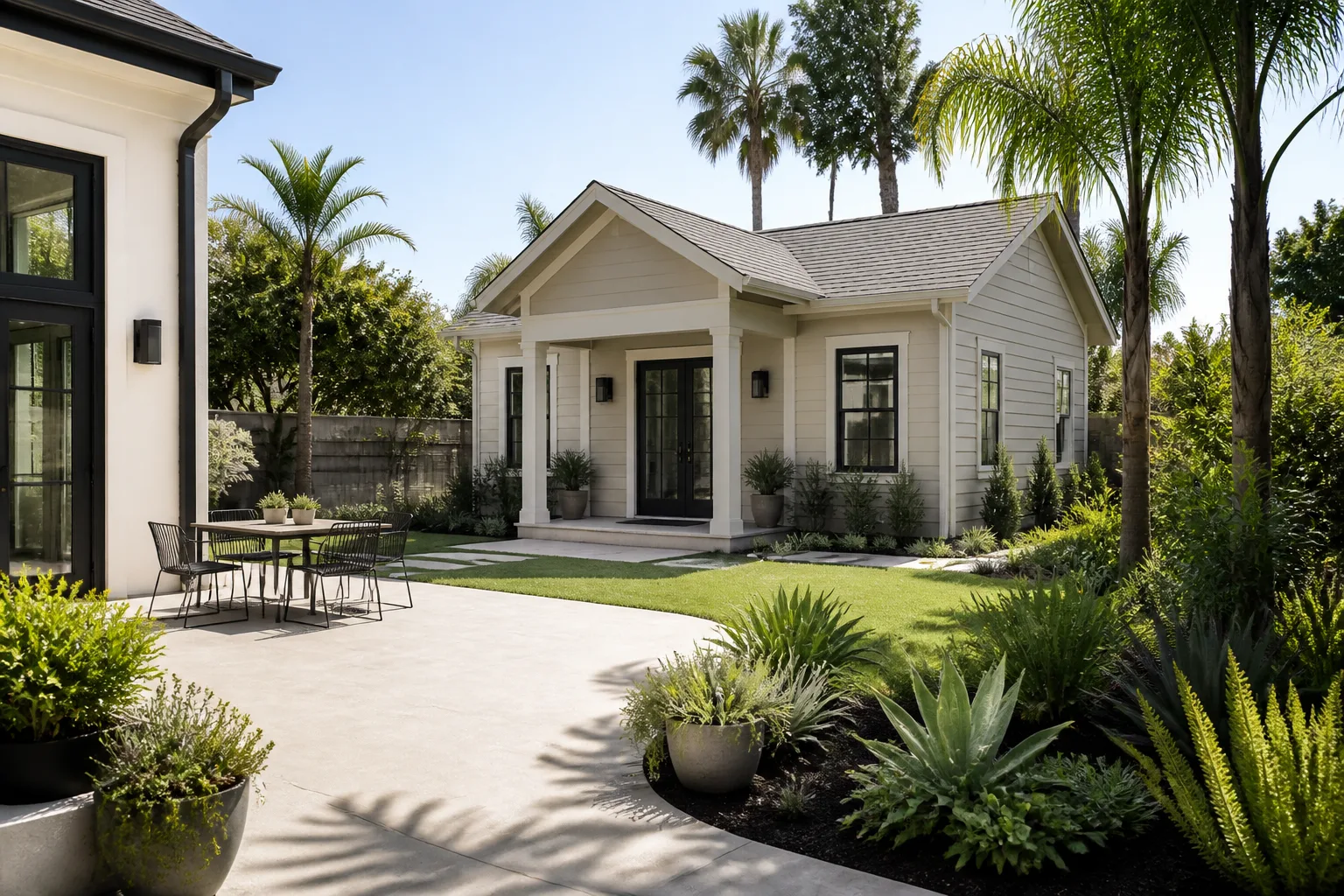
A full foundation repair or section replacement under a Sacramento home addition runs $45,000 – $130,000 when it involves lifting, slab section replacement, and reconnecting plumbing and mechanicals. An ADU foundation pour, done right from the start, runs $90,000 – $220,000 for the complete structure, including the Quikrete work, framing, finishes, and permits.
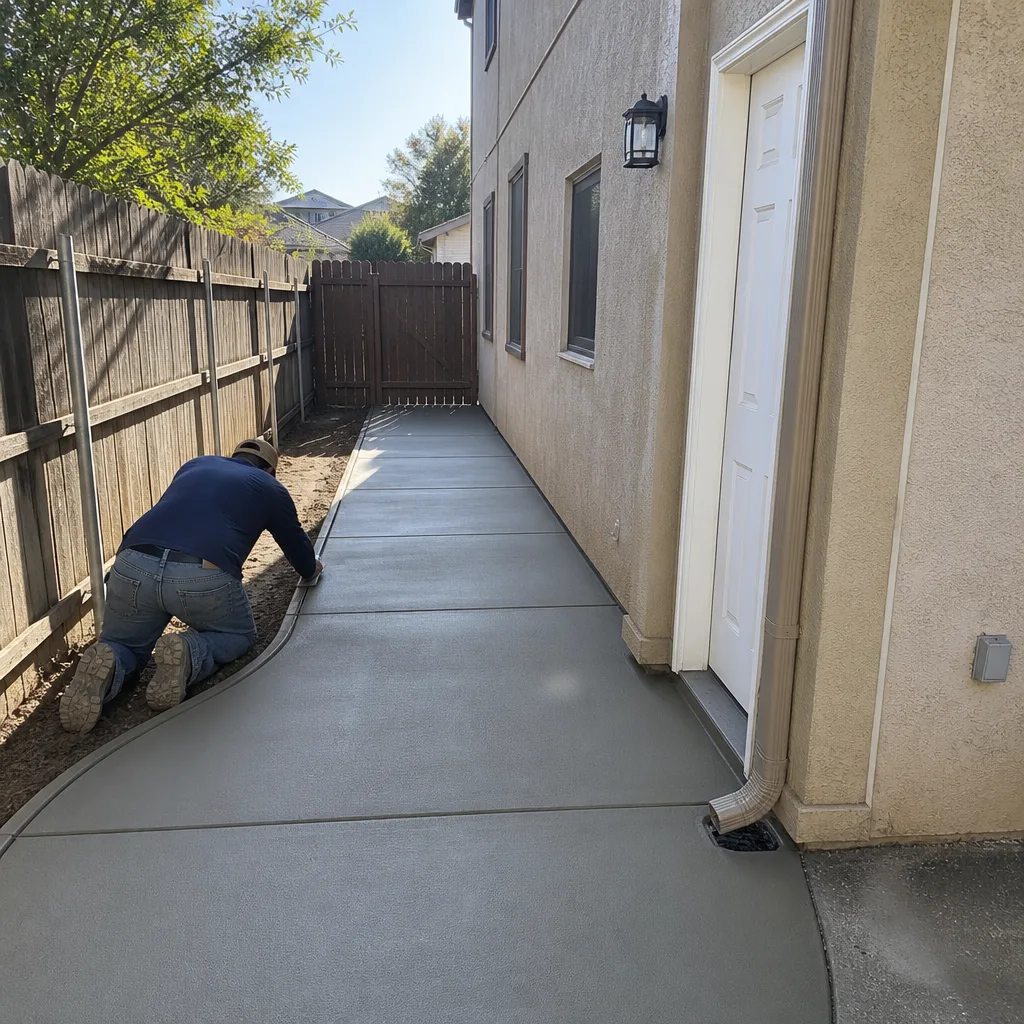
What drives the number: soil report requirements (Sacramento County often mandates one for additions over a certain square footage), the depth of the existing footings, whether we need to shore the existing structure during the pour, and how much of the old slab must be demoed. We give you a line-by-line written price before any work starts, and we don’t change it unless you change the scope. That price includes the Quikrete materials, rebar or mesh reinforcement, vapor barrier, formwork, pour, finish, and clean-up – plus a written 365-Day Done Right Promise that covers the work for a full year.
DIY or Call Us?
You can safely check a few things yourself: note where cracks are and mark the date, measure their width with a coin, and watch whether they change over a month. That information genuinely helps us diagnose the problem faster. What you shouldn’t do is jack up a corner of your home, pour patching compound into a moving crack, or add a new slab section on top of an unstable base. Foundation work on an addition or ADU involves a structure people live in, and a failed DIY repair usually costs more to undo than the original fix would have.
If you’re seeing any of the signs above, or you’re planning an addition on an existing Quikrete slab and want to know if it’s sound, call us at (279) 300-1177. We’ll come out, look at the concrete, and tell you honestly what it needs – even if the answer is “nothing right now.”
FAQs
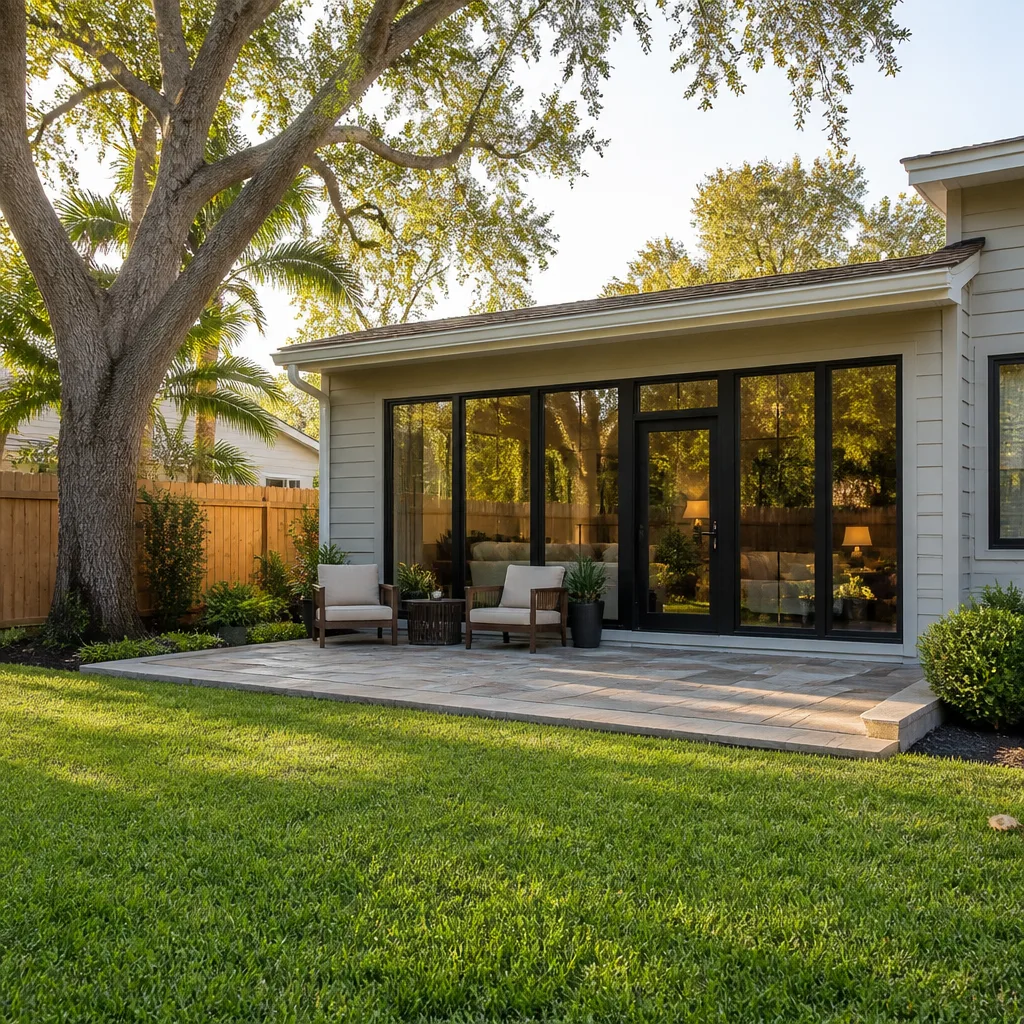
A properly poured and properly sloped Quikrete foundation should last 50 – 80 years in Sacramento, but the soil underneath matters more than the concrete itself. Expansive clay, poor drainage, and missing vapor barriers shorten that lifespan; a well-drained site with a proper base can push a slab well past 50 years without significant movement.
Yes, if the crack is stable and the soil beneath isn’t actively moving, we can often repair it with epoxy injection or routing and sealing, far cheaper than a full section replacement. If the crack changes width seasonally, the soil movement must be addressed first, or any repair will reopen within a year.
There are several factors that affect the timeline, but a typical Sacramento slab section replacement takes 5 – 10 working days from demo to cured concrete, including time for the Quikrete to reach sufficient strength before we frame on top of it. Complete some sections sooner and let us know how you want to proceed, and we’ll give you a written schedule before work starts.
We order Quikrete products per project because concrete has a shelf life and Sacramento’s summer heat accelerates clumping in stored bags. For your specific project, we match the exact mix to your existing slab and have it delivered fresh from our supplier the week of the pour. We also stock Quikrete bonding adhesive and crack-repair products on our trucks for smaller fixes.
Written by Trevor Nash, Owner, Penhallow Remodeling Sacramento at Penhallow Remodeling Sacramento, serving Sacramento and nearby areas.