Free written scope consultation - allowances, timeline, and change-order rules on paper before a single trade is scheduled
Sakrete Home Additions & ADU: The Sacramento Owner’s Guide
If you’re planning a home addition or ADU in Sacramento and have Sakrete products on site, the installed scope typically runs $45,000 – $130,000 depending on square footage, foundation condition, and finish level. We stock Sakrete-compatible materials for foundation pours, slab work, and structural concrete on ADUs and additions, and our crew installs them as part of a written, fixed-price contract. Most homeowners call us after discovering the existing slab or footing has failed, or after a previous contractor abandoned the job mid-pour.
Sakrete is a brand we work with regularly on Sacramento addition and ADU projects because the products hold up to our valley heat and clay soil movement, provided the base prep and mix selection are right. The problem we see most often isn’t the Sakrete product failing on its own. It’s the installation around it: poor subgrade compaction, the wrong mix for the application, or rebar placed incorrectly before the pour. Once concrete fails, the fix usually means cutting out and repouring, so getting the Sakrete product matched to the job the first time matters.
Which Sakrete Models This Applies To
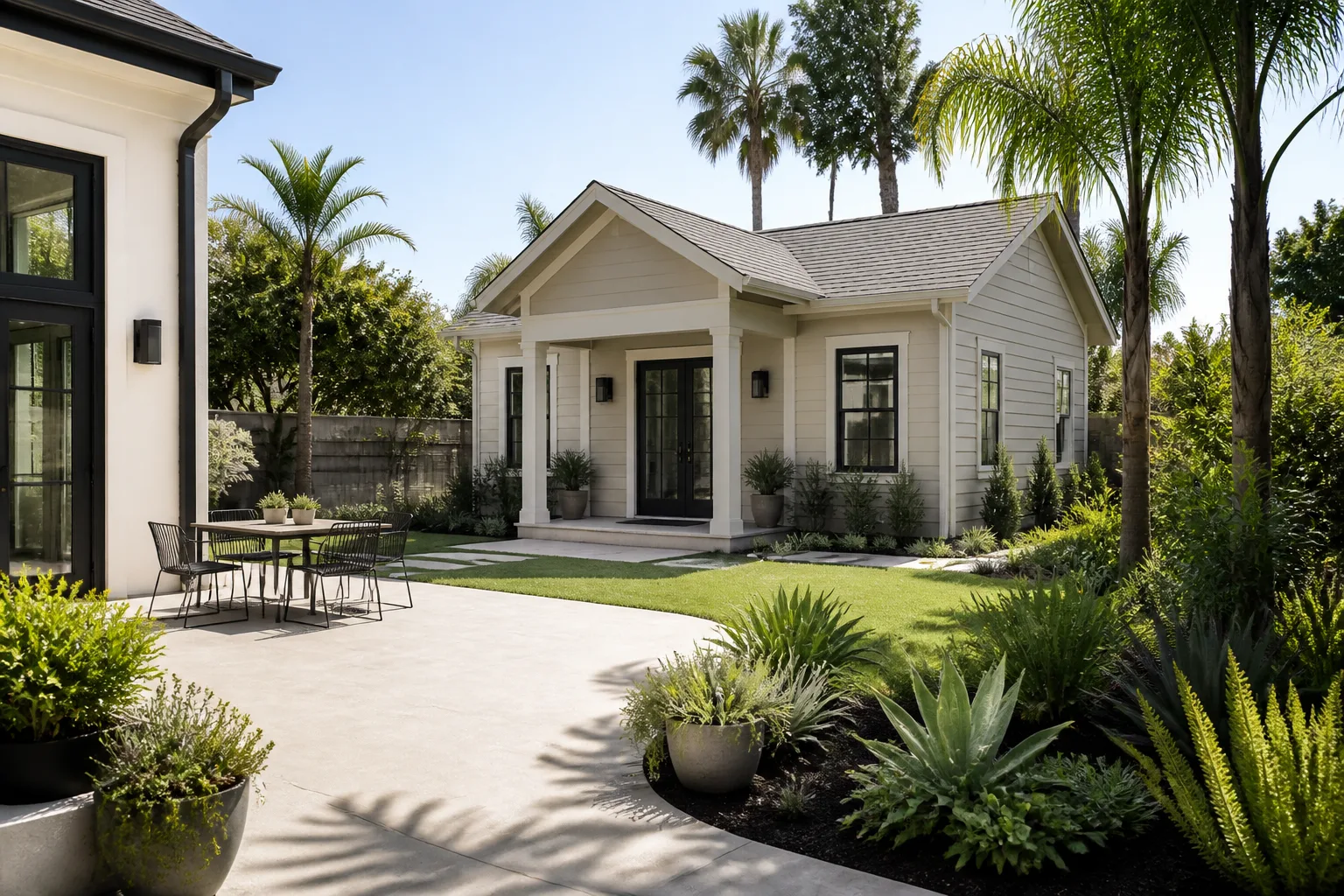
Sakrete doesn’t make “models” the way a faucet or window brand does. They make concrete and mortar products, each engineered for a specific job. The relevant question is which Sakrete product line matches your addition or ADU scope. For footings and stem walls, we typically use Sakrete 5000 Plus high-strength concrete mix, which hits 5,000 PSI and is what Sacramento building inspectors expect to see on structural plans for accessory dwelling units. For slabs on grade, Sakrete Crack-Resistant Concrete Mix with fibers is the standard choice for ADU floors and addition foundations in our area. For block walls on ADUs, Sakrete Type S mortar is the load-bearing spec.
The compatibility gotcha: bagged concrete mixes have a shelf life, and Sacramento’s dry summers don’t slow the clock. A bag of Sakrete sitting in a garage since 2022 has likely absorbed moisture during our winter rain season and won’t reach its rated strength. If you’re buying bags yourself, check the manufacturing date printed on the bag and don’t use anything older than 12 months. We pull our Sakrete stock fresh from local Sacramento suppliers for every job, and we verify the date code on site before mixing.
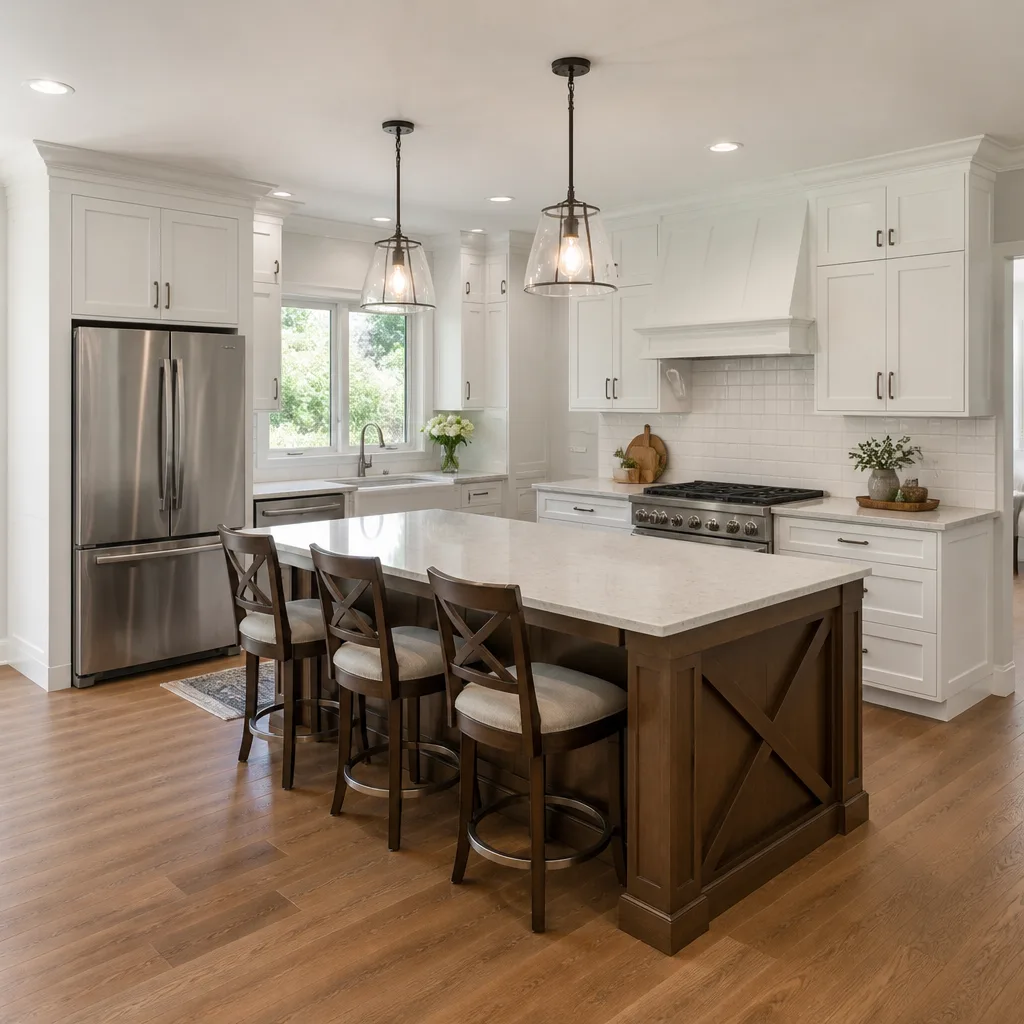
On the OEM-versus-aftermarket question: there’s no meaningful aftermarket “Sakrete equivalent” for structural concrete. Generic bagged mix that costs $2 less per bag usually means lower cement content and fewer fibers. When the job is a $90,000 ADU foundation, that’s not where we chase savings. We also work with other trade brands on these projects, including KraftMaid cabinetry for ADU kitchens, Cambria and Silestone countertops, and James Hardie siding for the exterior, but the concrete under the structure stays name-brand Sakrete or an approved structural equivalent specified by the engineer.
Styles & brands we work with
Signs Your Sakrete Home Additions & ADU Is Failing
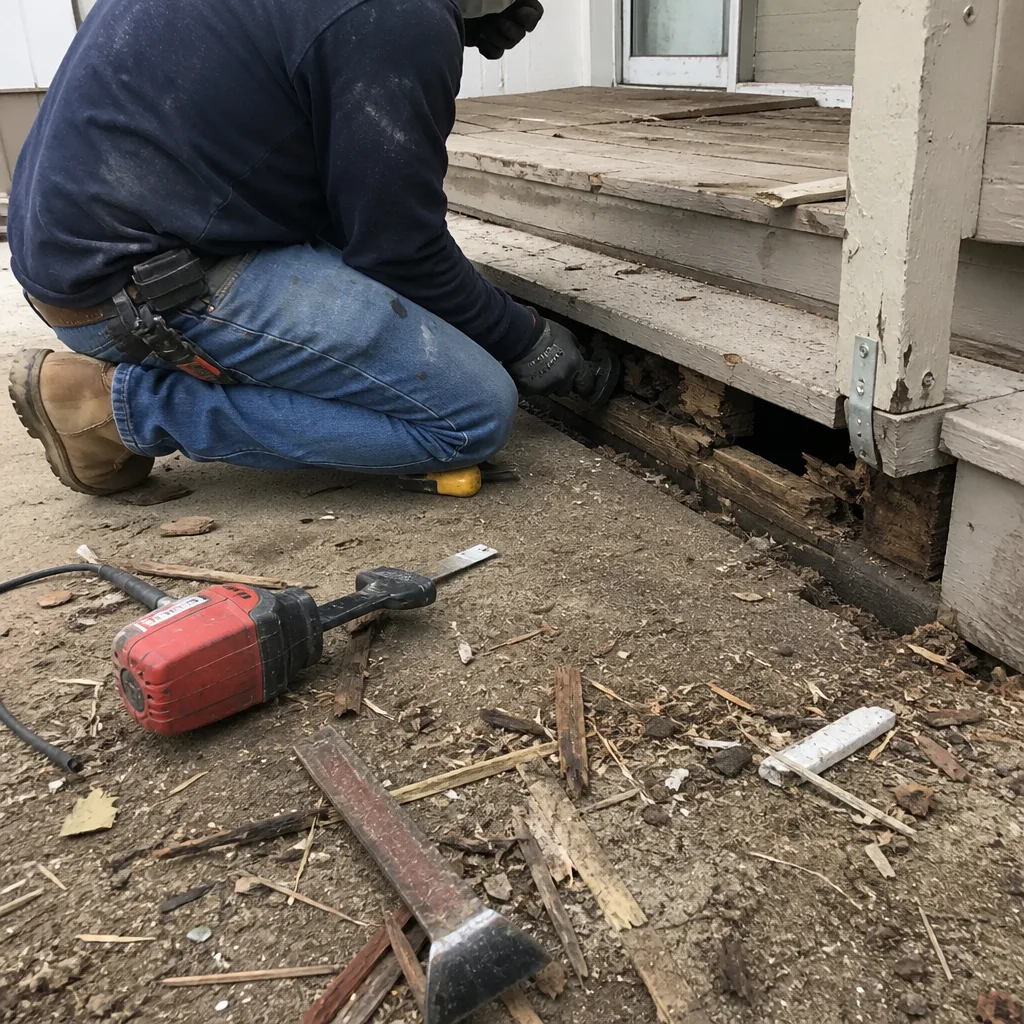
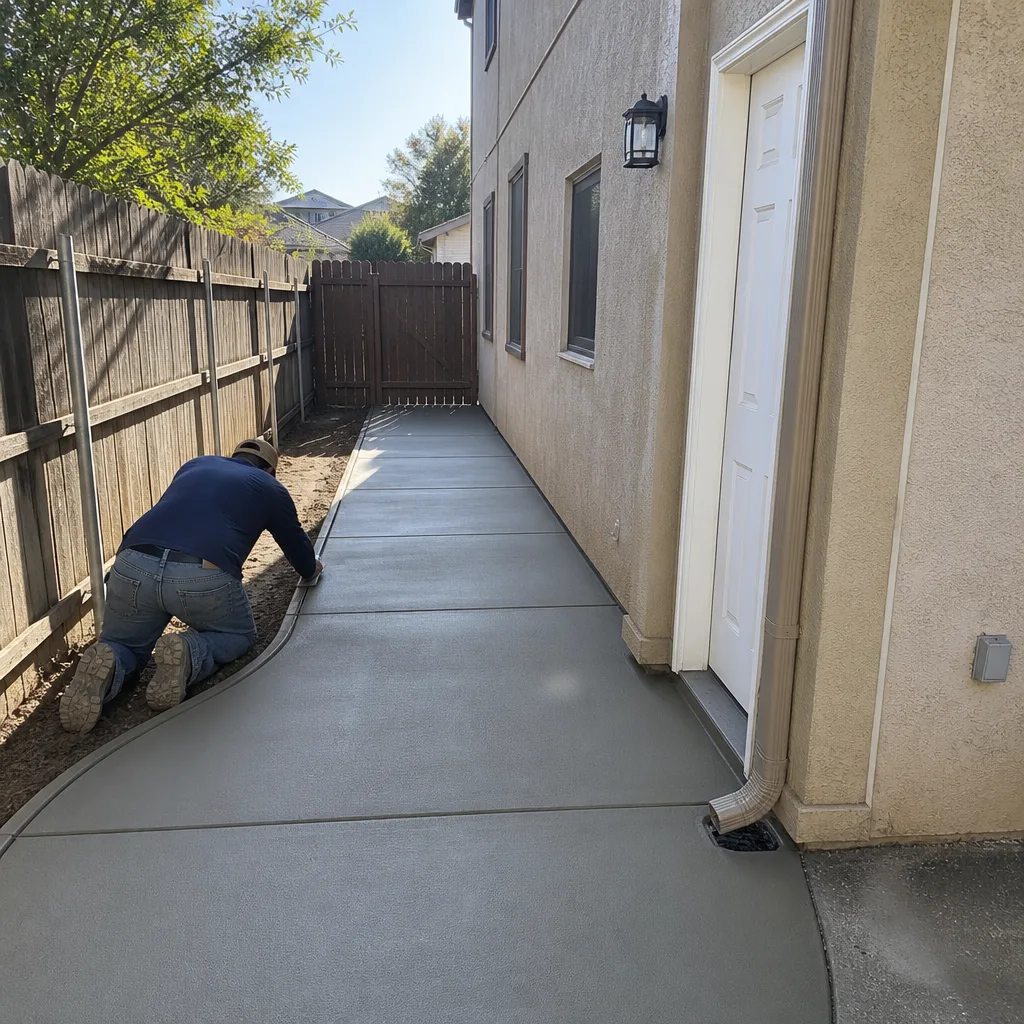
- Hairline cracks spreading across the slab surface. Hairline cracking in the first 30 days is often shrinkage as concrete cures. Cracks that keep widening after six months point to subgrade settlement under the Sakrete pour, and that’s a structural concern, not a cosmetic one.
- One corner of the addition sits visibly lower than the rest. Sacramento’s expansive clay soil heaves and settles with moisture changes. If a corner of your addition or ADU slab drops even half an inch, water stops draining away from the structure and the problem accelerates.
- Doors and windows in the addition start sticking or jamming. This is the canary in the coal mine for slab movement. When the slab shifts, the framing shifts with it, and the first place you feel it is a door that used to swing freely.
- Efflorescence or white powdery residue on the concrete surface. Water is moving through the slab and carrying mineral salts to the surface. On an ADU, this usually means the slab lacks a proper vapor barrier underneath, and moisture is wicking up from the soil.
- Spalling, chipping, or exposed aggregate along edges and at door thresholds. Sacramento’s freeze-thaw cycles are mild compared to the Midwest, but repeated wet winters and 100-degree summers still break down concrete at its weakest points. Exposed edges near doorways take the most abuse.
See the difference
 Before
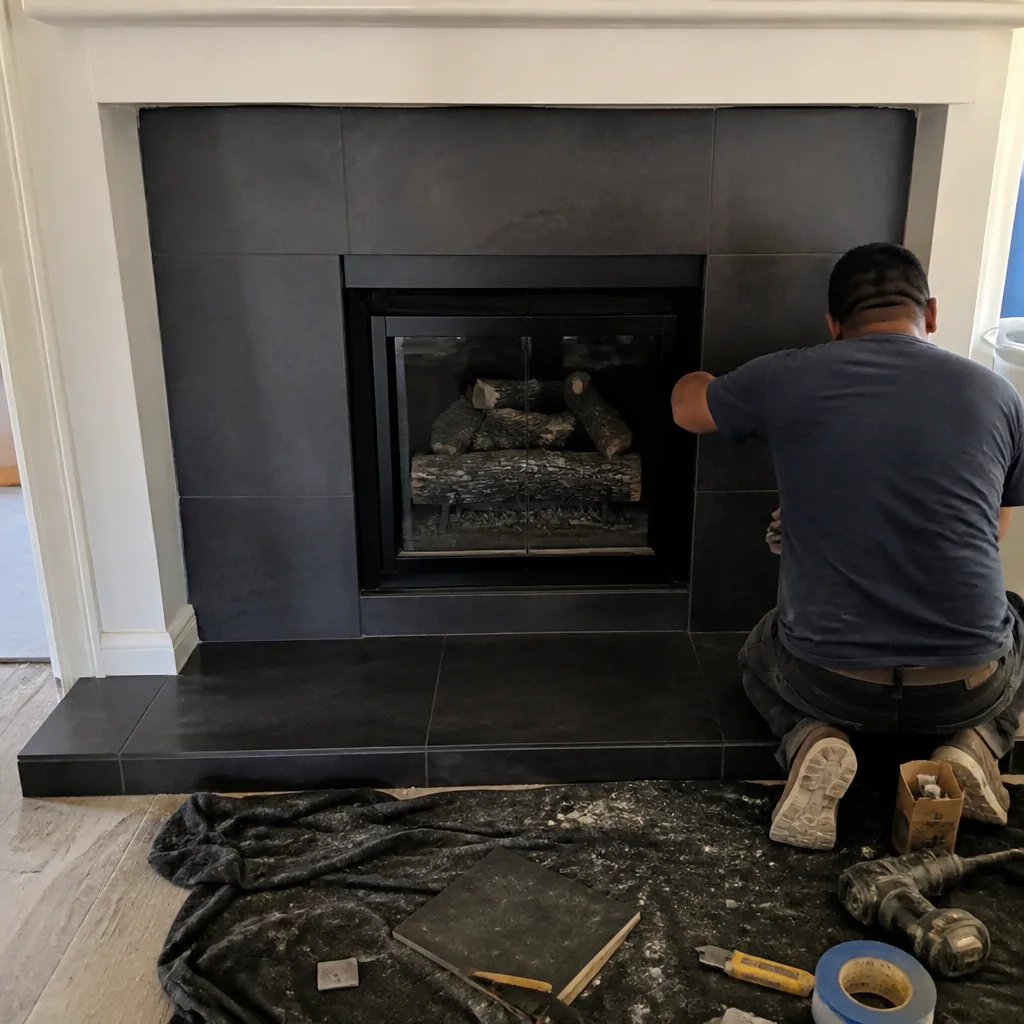 After
After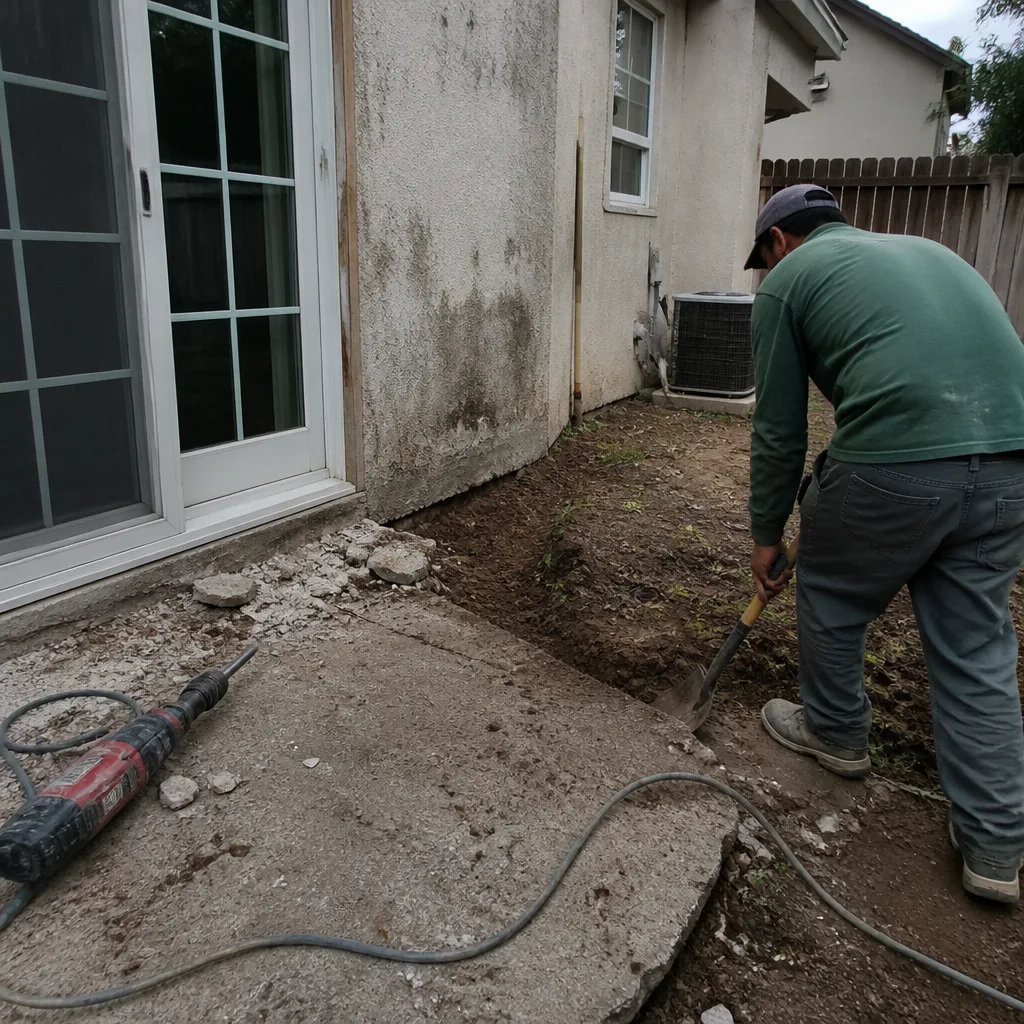 Before
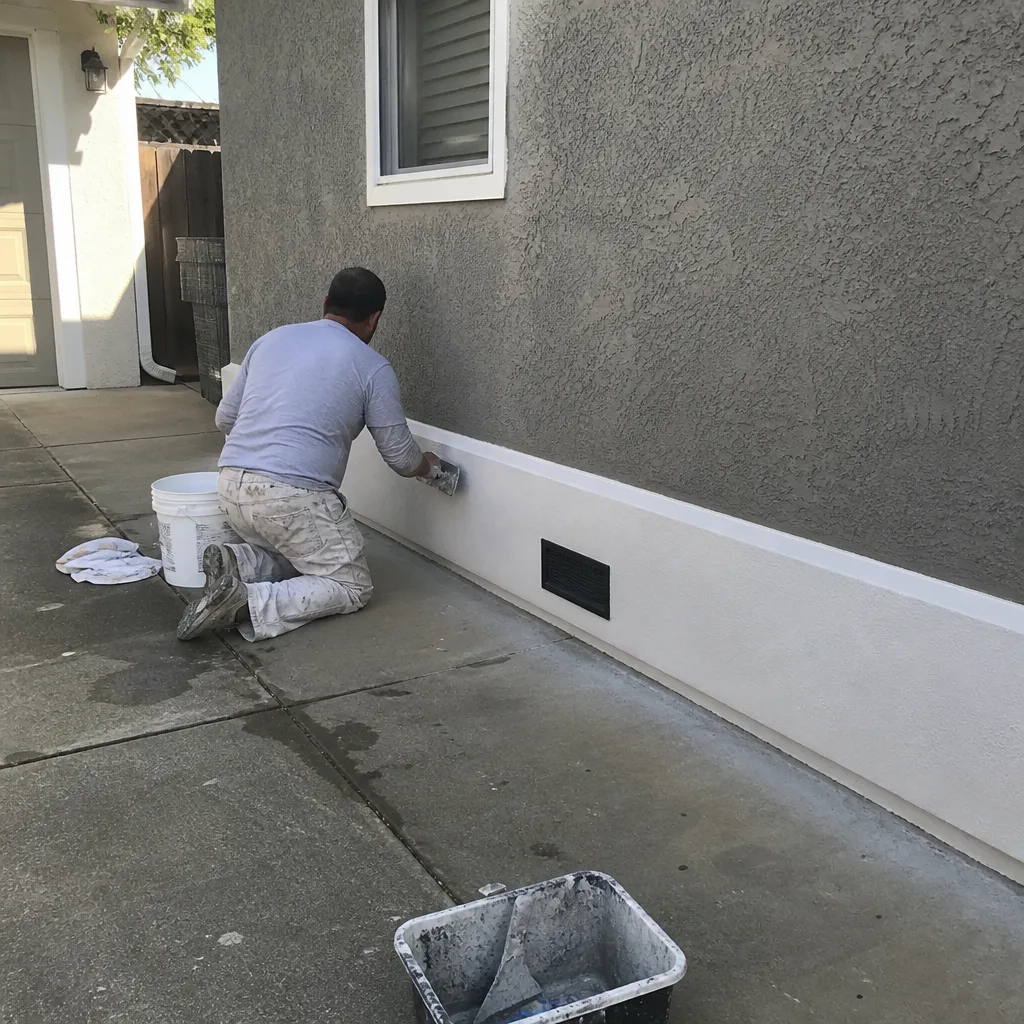 After
After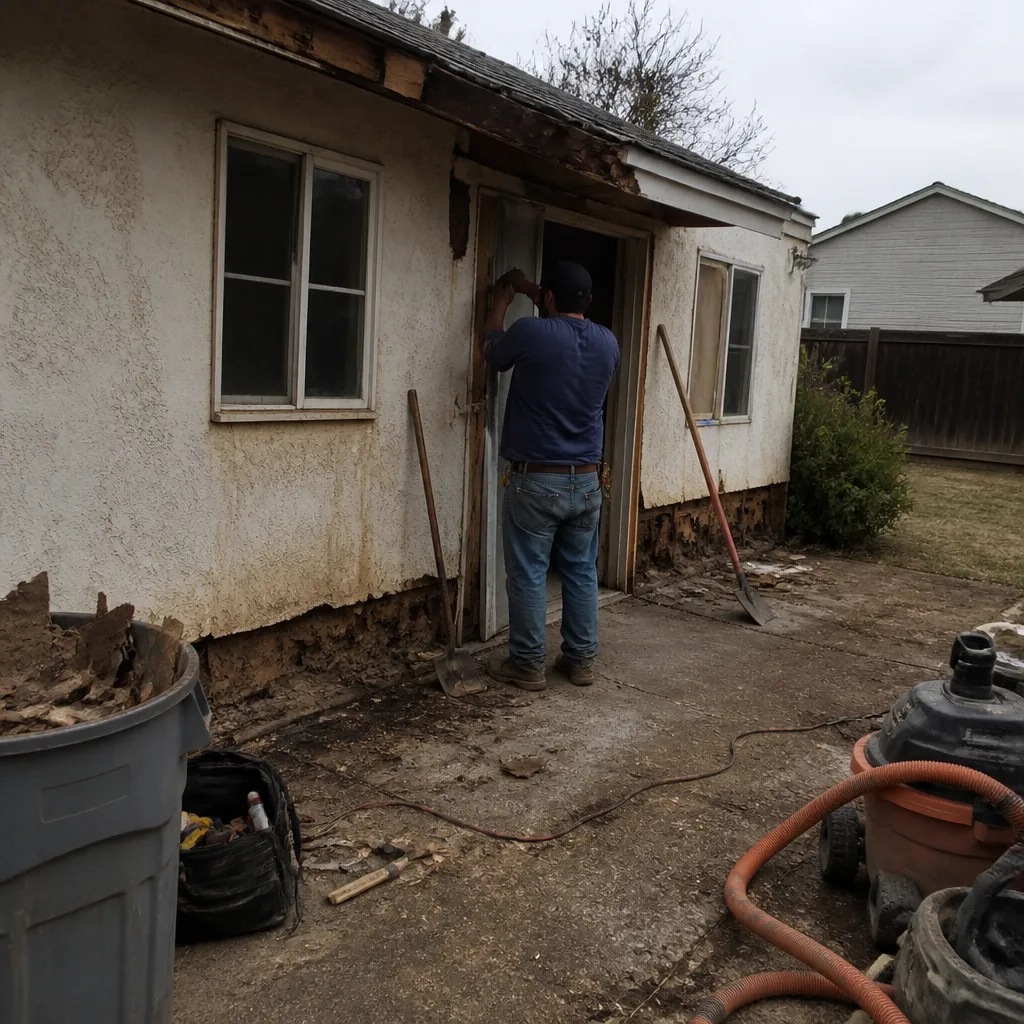 Before
 After
AfterReplacement Cost & What’s Included
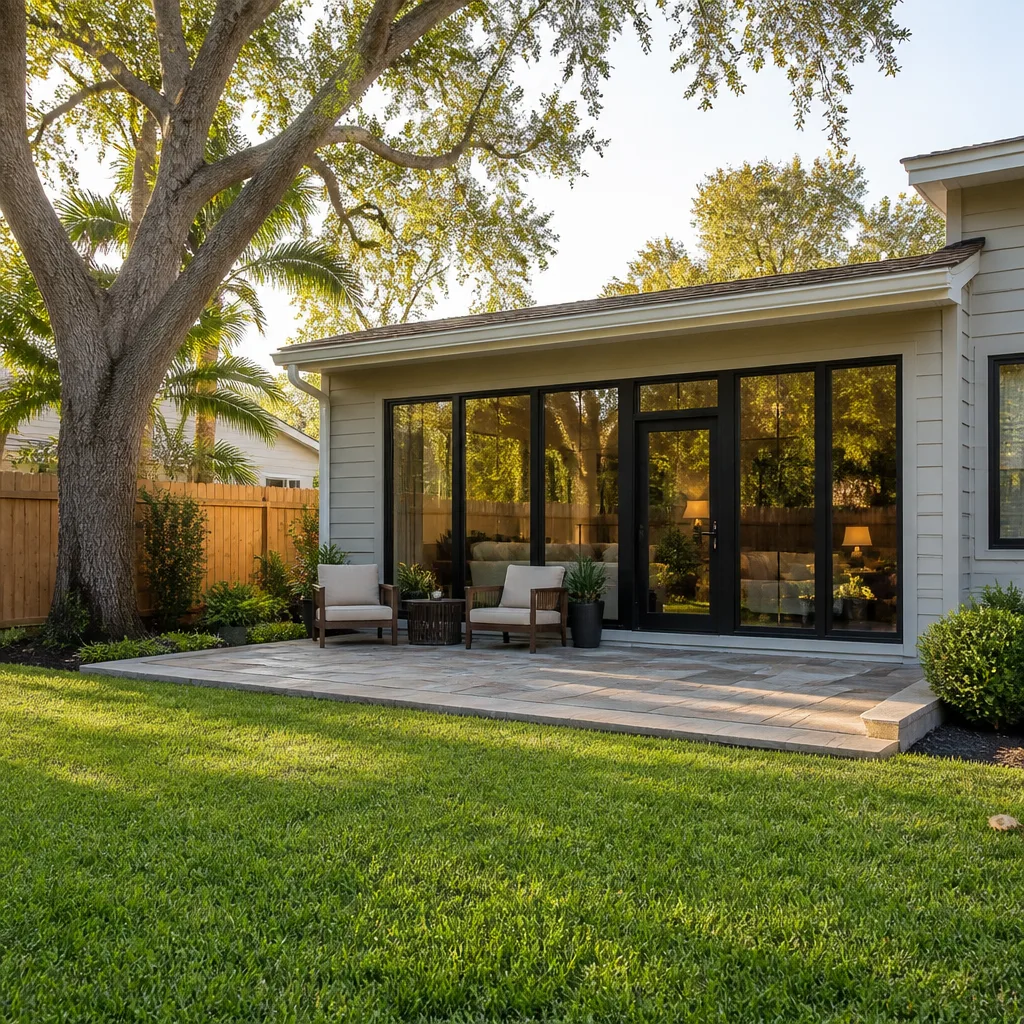
A full home addition or ADU in Sacramento runs $45,000 – $130,000, with concrete and foundation work typically accounting for 8 – 15% of that total. For a 600-square-foot detached ADU, the slab and footing package, including Sakrete materials, rebar, vapor barrier, and labor, usually lands between $8,000 and $14,000 depending on site access, soil condition, and whether the existing pad is being reused or removed. For a room addition on a raised foundation, the concrete scope is smaller, but pier and beam work carries its own costs.
If the job is a partial repair rather than a full project, the math changes. A cracked slab section cut out and repoured with fresh Sakrete 5000 Plus typically costs $1,500 – $4,000 in Sacramento, depending on size and whether the crack has affected structural walls above. Every quote we give is written and itemized before work starts: the cost of the Sakrete material, the delivery, the base prep, the labor, and the 365-Day Done Right Promise on the work itself. The number on day one is the number on the invoice.
DIY or Call Us?
If you’re mixing bagged Sakrete for a small, non-structural pour like a dedicated trash-can pad or a walkway, that’s reasonable weekend work for a homeowner who reads the bag and follows the water ratio. But a home addition or ADU slab is a structural element. The rebar layout, the subgrade compaction, the anchor bolt placement, and the Sacramento permit inspection all have to happen before, during, and after the pour. A slab that fails inspection means the entire pour gets torn out and redone at full cost.
We’ve fixed enough amateur structural pours in Sacramento neighborhoods, from Oak Park to Land Park, to know where the mistakes cluster: too much water in the mix because it’s easier to work, base rock that was never compacted, and no vapor barrier under an ADU that later becomes a mold issue. If you’re looking at a structural concrete scope, call us at (279) 300-1177 and we’ll give you a written price before anything gets mixed. Trevor Nash will tell you straight what the Sakrete scope actually needs.
FAQs
A properly installed Sakrete slab with the right base prep, rebar, and mix should last 50 years or more in Sacramento’s climate. The failures we see happen early, within the first two to three years, and almost always trace back to installation shortcuts, not the concrete itself. Call (279) 300-1177 and we’ll take a look at what’s actually happening.
Small, stable cracks under 1/8 inch can sometimes be sealed with an epoxy injection, but structural cracks that are still moving mean the support underneath has failed, and patching the surface buys you time, not a fix. We’ll diagnose which one you have before recommending a repair path.
The concrete pour itself is usually one day for a standard ADU slab in Sacramento, but the full foundation package, including excavation, base rock, rebar, form placement, and inspection, typically spans five to seven working days. Weather and permit scheduling are the usual variables.
Yes, we keep Sakrete 5000 Plus, crack-resistant mix, and Type S mortar on hand for active projects, and our Sacramento suppliers can deliver full pallet quantities same-day or next-day for larger pours. Call (279) 300-1177 for a free estimate and we’ll confirm what your specific job needs.
Written by Trevor Nash, Owner, Penhallow Remodeling Sacramento at Penhallow Remodeling Sacramento, serving Sacramento and nearby areas.