Free written scope consultation - allowances, timeline, and change-order rules on paper before a single trade is scheduled
Unilock Driveway & Pavers: The Sacramento Owner’s Guide
We stock and install Unilock-compatible driveway and paver components across Sacramento, with typical replacement work running $7,000 – $18,000 for a full driveway and $3,500 – $11,000 for a patio area. Most homeowners discover a failing paver section the same way: a low spot that puddles after rain, an edge block that’s drifted out of line, or a paver that rocks underfoot near the garage apron. Unilock pavers themselves rarely fail structurally. What fails is the foundation beneath them, the edge restraint that holds them, or the joint sand that locks them together. In Sacramento, that’s usually a story about clay soil expansion, irrigation overspray, or a tree root that found the soft spot under the base.
You know your driveway better than anyone walks it. If a section has started shifting, it won’t fix itself. It will migrate, crack at the joint lines, and eventually turn a $600 edge repair into a $9,000 reset. Catching it early matters.
Which Unilock Models This Applies To
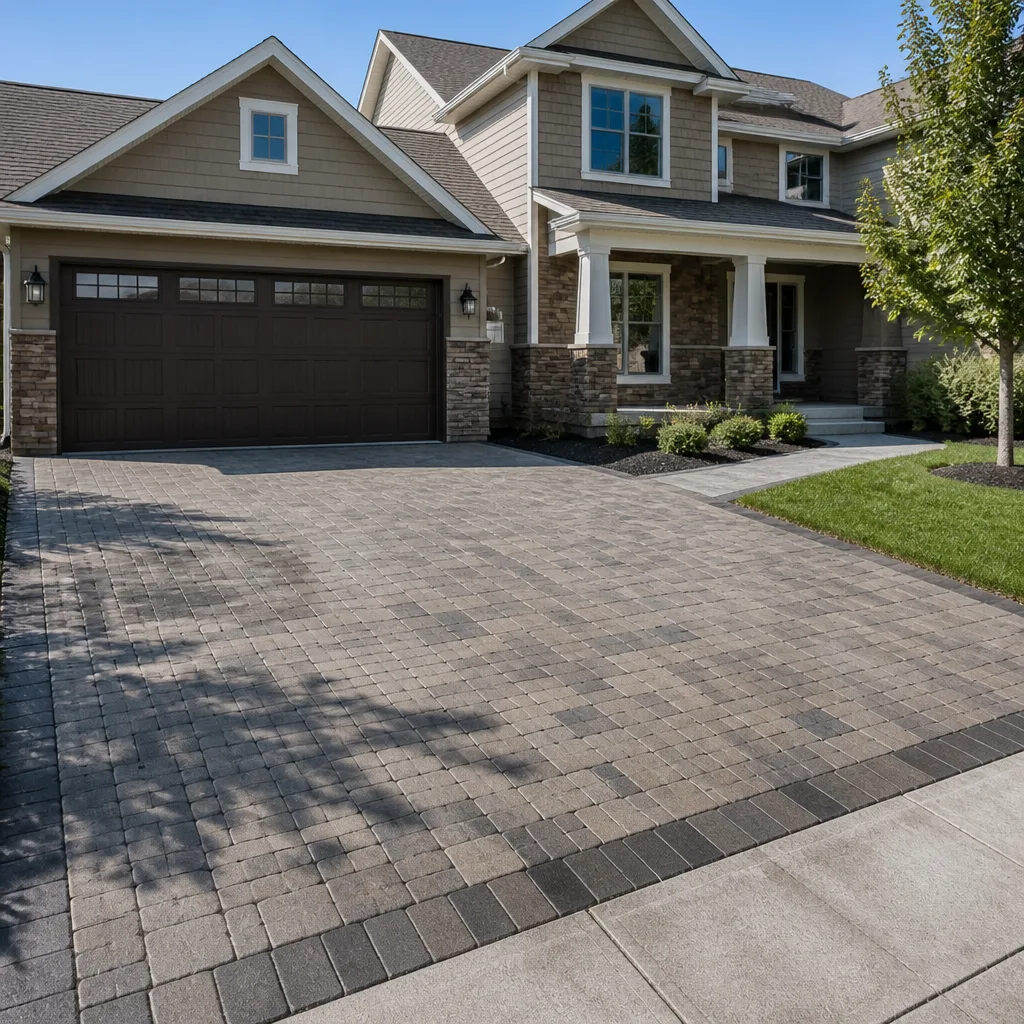
Unilock divides its paver line into product families, and the compatibility question is less about a specific “model” and more about the series, the manufacturing run, and the dimensional tolerance of the block you already have. Most Sacramento driveways built in the last fifteen years use one of three Unilock lines: Mattoni (a classic 6″ x 9″ modular paver, often in a 60mm thickness for residential drives), Richcliff (a larger-format 4-piece random bundle with a timeworn edge), or Umbriano (a mottled, granite-like finish that reads more contemporary). There are others: Town Hall, Brussels Block, Beacon Hill Flagstone. The point is, “Unilock driveway” doesn’t narrow it enough.
Here’s the compatibility gotcha most owners hit: Unilock’s color blends vary slightly by production lot, and a paver installed in 2012 will not be a perfect match if you spot-replace it in 2026. The aggregate colors fade, the surface patina shifts, and the UV exposure changes the tone. A partial repair on a ten-year-old drive is always visible unless you’re willing to blend old and new by pulling and rotating blocks. We typically advise a full section reset for anything more than a few square feet, or we match to the closest current production blend and set expectations honestly before any block goes down. OEM Unilock product is what we recommend for color-critical areas; quality aftermarket equivalents (Belgard, Acker-Stone, Calstone) work structurally but won’t match perfectly. Check the underside of a loose paver: most Unilock mold numbers are stamped there, and that number tells us the exact series, size, and often the plant it shipped from.
Styles & brands we work with
Signs Your Unilock Driveway & Pavers Are Failing
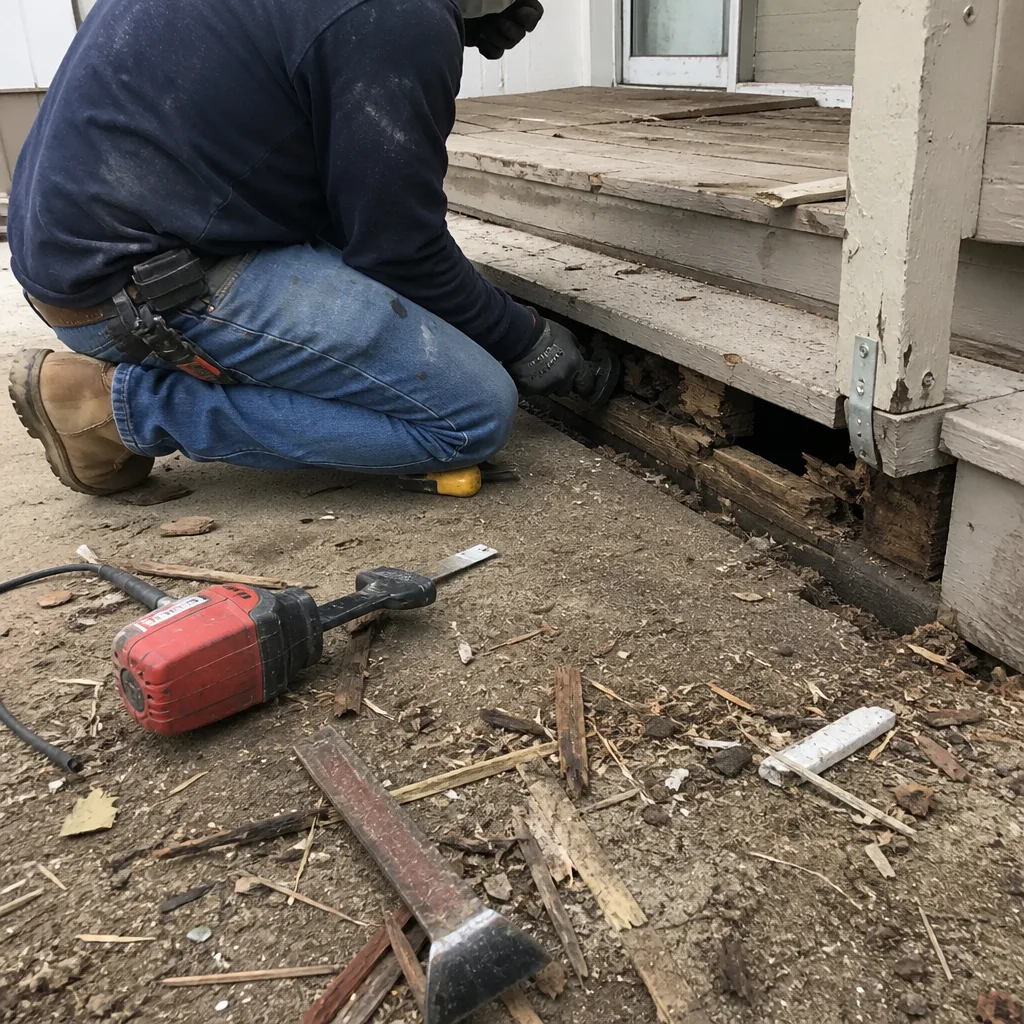
- Low spots that hold water after rain. This means the base rock underneath has settled or washed out. Water pooling on pavers accelerates joint sand loss and triggers the next problem.
- Edge pavers drifting outward or separating at the border. The edge restraint, usually a plastic or aluminum strip spiked into the sub-base, has failed. Once the border loosens, the whole field starts moving.
- Rocking or wobbling blocks you can feel when walking. A paver with no joint sand friction will move under your foot. If it rocks, the bedding sand underneath has eroded and the block is riding on point contact.
- Gaps opening at the joint lines where weeds or ants establish. Joint sand holds the horizontal pressure between pavers. When it goes, weeds move into the void and root systems widen the gap every season.
- A sunken ring or mushroom-shaped hump near a tree. Roots grow under the base, lift edge pavers, and the surrounding soil subsides. In Sacramento’s freeze-thaw light climate, root pressure is the bigger villain than ice.
See the difference
 Before
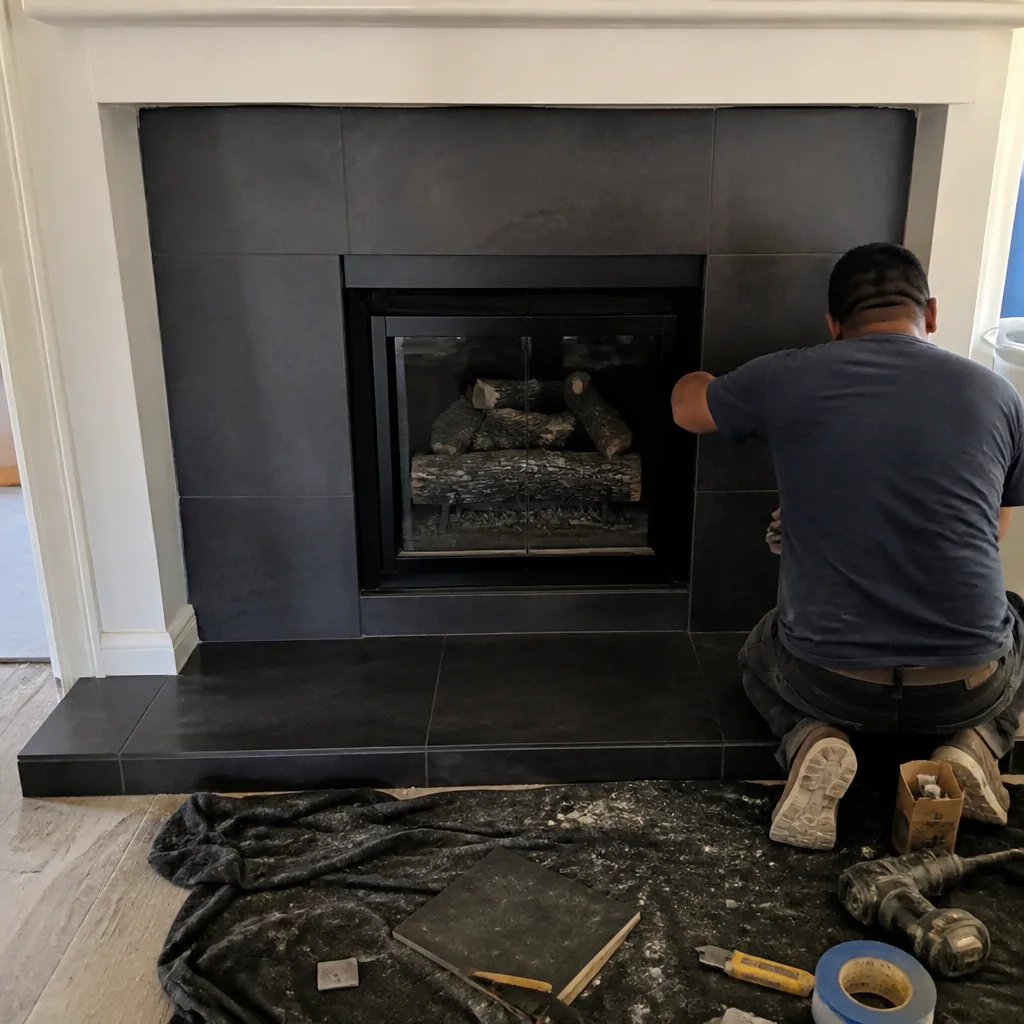 After
After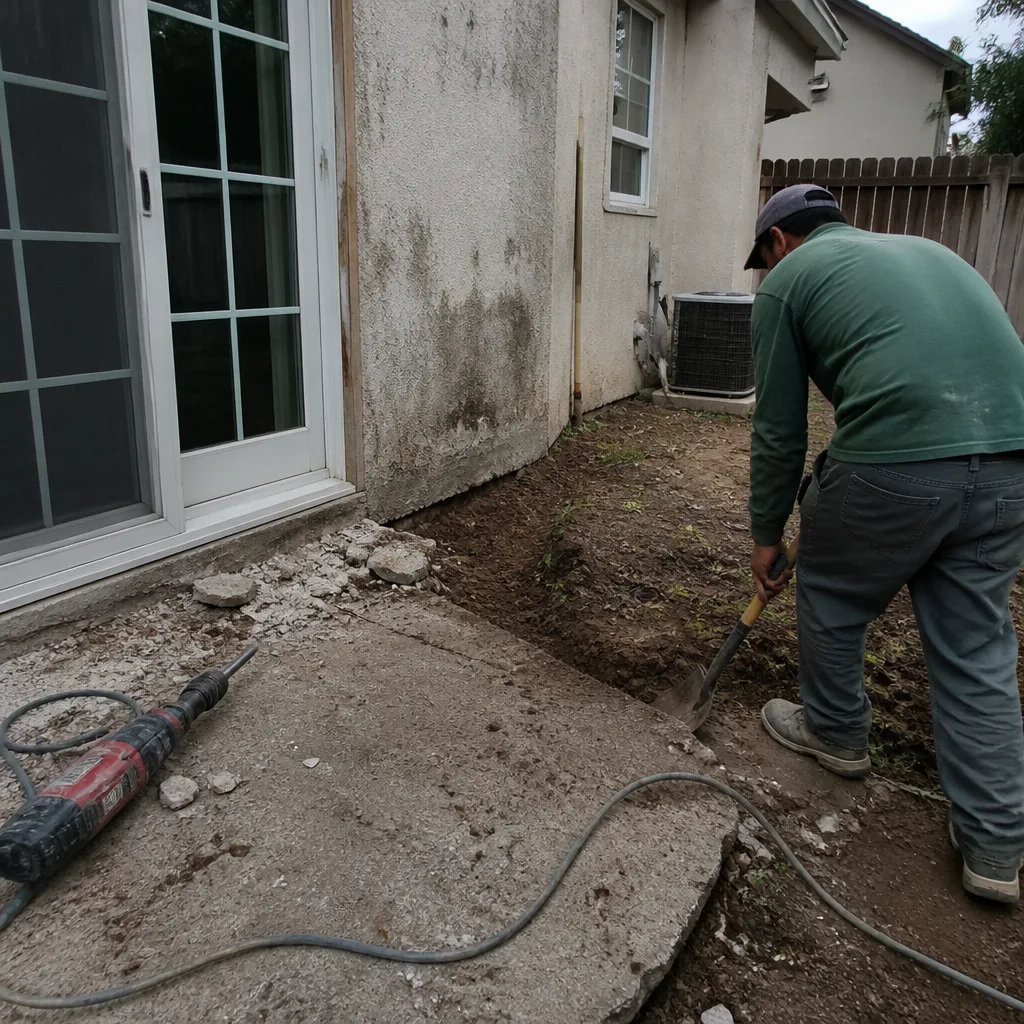 Before
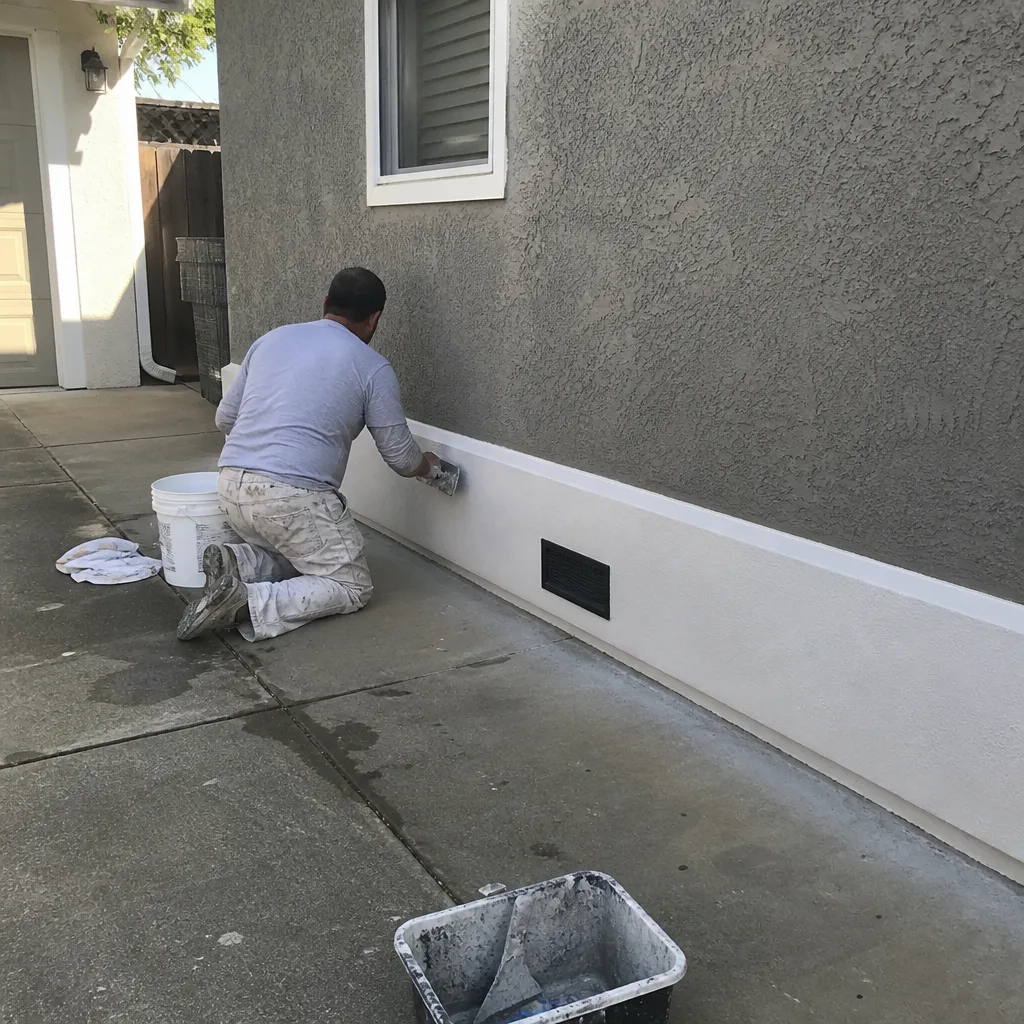 After
After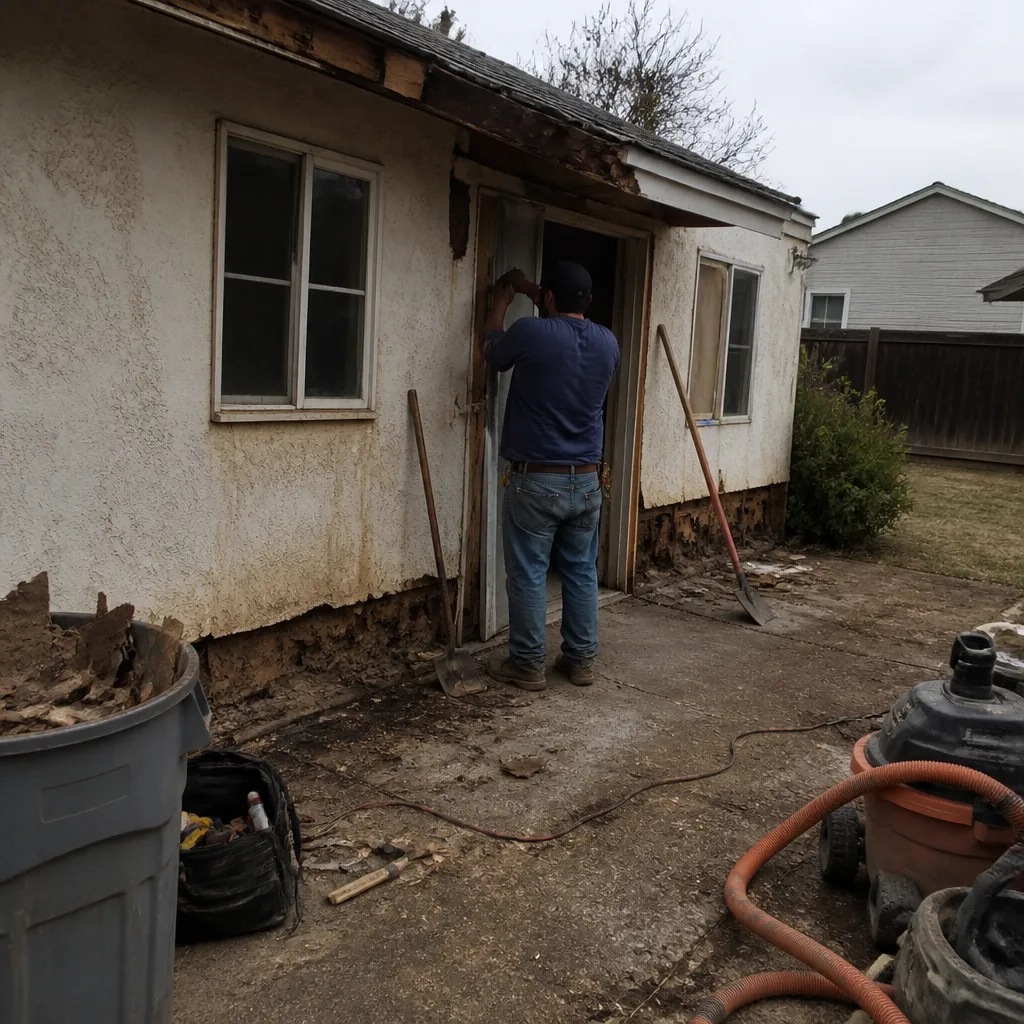 Before
 After
AfterReplacement Cost & What’s Included
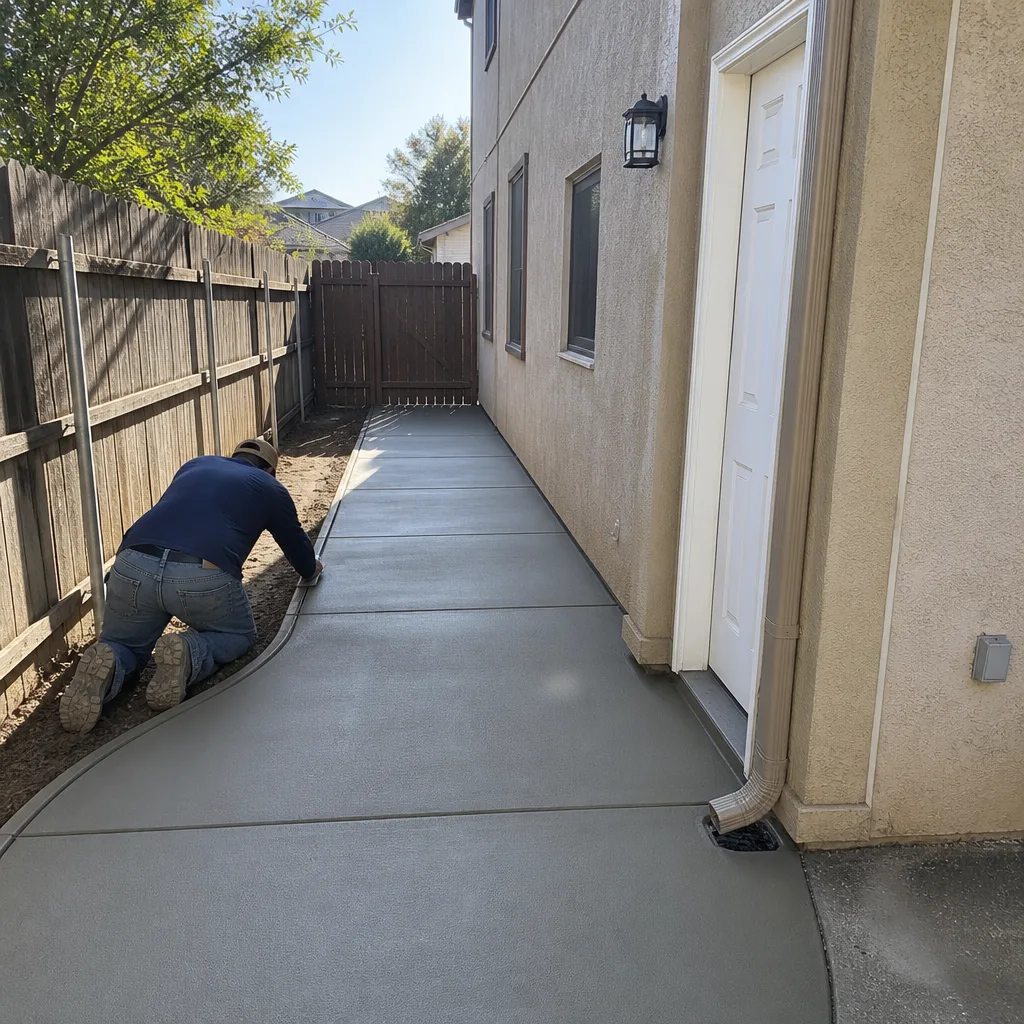
In Sacramento, a complete Unilock paver driveway replacement runs $7,000 – $18,000 depending on square footage, the depth of the base excavation, access for equipment, and the paver series you choose. A paver patio replacement lands at $3,500 – $11,000. A targeted repair, like re-setting an edge run and re-compacting a 200-square-foot section, can run as low as $1,000 – $3,000 when the pavers themselves are salvageable. What drives the price? Most of the money is in what you can’t see: the sub-base. Sacramento’s expansive clay needs a proper 6 – 8″ compacted base of Class II road base over compacted native soil, plus a 1″ bedding layer of washed sand. Skip that and every paver on top is temporary. We give a written line-item quote before any work starts, and every paver job carries our 365-Day Done Right Promise: if it settles or shifts inside a year, we’re back to fix it at no charge. That’s in writing, not implied.
DIY or Call Us?
There’s an honest middle path here. You can walk your driveway and mark low spots, loose edges, and sunken areas before you call. That helps you talk about scope in concrete terms instead of vague worry. But re-setting pavers isn’t a weekend project for most people. It requires a plate compactor you can rent, 4 – 6 tons of base and bedding material delivered, and precise re-grading for drainage. The part where DIY goes wrong is almost always under the pavers, not in the blocks themselves. If you get the base wrong, the same failure comes back in eighteen months. Tension here isn’t the danger, it’s the false economy: you’ll pay for the same repair twice. High-traffic runs and anything tied to a drainage slope are worth having a real crew do. Call (279) 300-1177 and we’ll tell you what you’re actually looking at, no charge for the visit.
FAQs
Unilock pavers themselves routinely last 30 – 50 years in Sacramento’s climate, which is what the manufacturer’s transferable lifetime warranty on residential use is built around. What fails earlier is the base and joint sand layer, typically after 10 – 20 years, depending on drainage and soil movement. Call (279) 300-1177 and we’ll tell you what’s still good under your pavers.
Yes, partial repairs are possible for edge failures and small settled areas, but color matching on older pavers will show, and most partial fixes run the same failure risk as the original install. We’ll give you both numbers: the repair price and the reset price, and you decide.
A typical Sacramento driveway runs 3 – 5 working days from demolition through compaction and final sanding. A patio can be done in 2 – 3 days. We’ll tell you the window up front and confirm it in writing before work starts, same way we price it.
We stock common Unilock lines including Mattoni, Richcliff, and Umbriano, and we can order out-of-stock series and custom blends within about a week in the Sacramento area. We also work with KraftMaid, Cambria, and Silestone for interior remodeling work, but this page is strictly about pavers and driveways.
Tell me what you want the room to feel like, and I’ll tell you what it actually takes to get there. Same rule applies to a driveway: call (279) 300-1177 for a free estimate, and we’ll walk the site with you before a single number gets written down.
Written by Trevor Nash, Owner, Penhallow Remodeling Sacramento at Penhallow Remodeling Sacramento, serving Sacramento and nearby areas.