Last updated October 15, 2026







Free written scope consultation - allowances, timeline, and change-order rules on paper before a single trade is scheduled
The Complete Guide to Construction in Sacramento
Sacramento permitted over 4,200 residential construction projects in a recent single year, and city code enforcement logged hundreds of stop-work orders on jobs that started without proper paperwork. Most homeowners never knew a stop-work order was possible until it halted their kitchen mid-demo. This guide covers the construction landscape in Sacramento from the ground up: permits, licensing, pricing, the climate factors that shape scheduling, and the contractual protections that separate a smooth project from a costly one. For more guides & resources, explore our blog.
Styles & brands we work with




Quick Answer
Construction in Sacramento is governed by two overlapping jurisdictions, a punishing heat cycle, and a California contractor market where verbal estimates are common but legally weak. The smartest move for any homeowner is to work with a licensed general contractor, verify their CSLB record, and secure a written price before any work starts. Penhallow Remodeling Sacramento operates on that standard for every kitchen, bathroom, and whole-home remodel we take on.
Table of Contents
- Why Sacramento’s Dual Jurisdiction Changes What You Can Build
- The Sacramento Construction Window: Heat, Rain, and Scheduling Reality
- General Contractor vs. Specialty License: The Expensive Mix-Up
- What a Written Price Actually Protects You From
- How to Read a Sacramento Contractor’s CSLB License Page
- Sacramento Permitting: What Triggers a Permit and What Happens If You Skip It
- What Construction Costs in Sacramento: Real Ranges for Your Project
- Common Mistakes to Avoid
- When to Call a Professional
- Frequently Asked Questions
- The Bottom Line
Why Sacramento’s Dual Jurisdiction Changes What You Can Build
Your address determines your rules. Sacramento operates under two separate permitting authorities: the City of Sacramento and Sacramento County. The city handles properties within its incorporated limits, while the county covers unincorporated areas like Arden-Arcade, Carmichael, Fair Oaks, and parts of Natomas that sit outside city lines. This split is not academic. It changes which forms you file, which inspections you schedule, and how long reviews take. See our guide on Construction Permits, Codes & Inspections in CA: What You Need to Know for the full picture.
A kitchen remodel in East Sacramento goes through the city’s Community Development Department. The same kitchen remodel three miles east in Arden-Arcade goes through Sacramento County’s Building Permits and Inspection Division. The code requirements are similar because both entities adopt the California Building Standards Code, but the process maps, fee schedules, and inspector availability differ. We’ve watched homeowners spend weeks preparing the wrong application set because they assumed “Sacramento” meant one system.
What this means for your project
- Verify your jurisdiction first. Type your address into the city’s and county’s online permit portals before you plan anything. Both have address lookup tools.
- Fees differ. City and county permit fees are calculated differently, sometimes by hundreds of dollars on the same scope of work. Budget for the higher number.
- Timelines differ. City plan review for a kitchen remodel usually runs 2 to 4 weeks. County review can run longer during peak permitting months, which in Sacramento means late spring and summer.
- Stop-work risk is real. If a contractor starts work on a city property using county paperwork, the job gets halted. The homeowner, not just the contractor, pays the delay. A General Contractor in Sacramento who works across both jurisdictions will confirm the correct authority before the first hammer swings.
This is not a nuance. It is the single most common permitting error we see on jobs where a homeowner tried to manage the process alone or hired a subcontractor working outside their license scope.
The Sacramento Construction Window: Heat, Rain, and Scheduling Reality
Sacramento’s climate dictates when work can happen and what materials survive. The Central Valley heat cycle is brutal: summer days above 100°F are common from June through September, and winter brings concentrated rain from November through March. Those two forces create a narrow ideal construction window in spring and fall, and they shape material decisions year-round.
Here is what homeowners need to know. In July and August, concrete cures too fast and can crack. Exterior paint applied above 95°F can blister within a year. Adhesives and sealants behave differently when surface temperatures hit 120°F on a south-facing wall. During winter rains, stucco and exterior siding installations need dry days in a row, not just a dry morning. Sacramento regularly gets a week of rain at a time in January and February. That stalls exterior work on homes in Land Park, Curtis Park, and East Sacramento just as surely as a stop-work order would.
How the heat cycle affects interior remodeling
Interior work is not immune. Hardwood flooring acclimates to Sacramento’s humidity swings. Installing hardwood during a wet February means boards expand when summer hits and the air dries out. A competent installer accounts for that with proper acclimation time and expansion gaps. Cabinet installation is more forgiving, but paint and finish curing slows in cold weather and accelerates problematically in extreme heat.
The practical takeaway: if your project includes exterior components, plan around the weather, not the calendar. Fall is the strongest season for exterior work in Sacramento. September through early November gives you warm, dry days without the triple-digit heat. If your project is fully interior, climate matters less, but humidity and temperature still affect finish work. A Kitchen Remodeling in Sacramento project scheduled for August should account for longer dry times between paint coats and the fact that your flooring contractor may bring dehumidifiers for tile setting.
General Contractor vs. Specialty License: The Expensive Mix-Up
California issues different contractor license classifications, and the distinction matters more than most homeowners realize. A general building contractor (Class B) can take on projects involving two or more unrelated trades, which is what a kitchen or bathroom remodel requires. A specialty contractor (Class C-36 for plumbing, C-10 for electrical, C-54 for tile, and so on) is limited to their specific trade.
The expensive mix-up happens when a homeowner hires a specialty contractor to run a whole project. A plumber with a C-36 license cannot legally pull a building permit for a full bathroom remodel that includes framing, drywall, and tile work. If they tell you they can, you are about to own a problem. The CSLB can flag the job, the permit can be invalidated, and your homeowner’s insurance may not cover work performed outside the license scope.
What to check before you sign
- Ask for the contractor’s license number. A legitimate contractor gives it up front. It must be six digits.
- Visit the CSLB website and pull the license record. Confirm the classification says “B – General Building Contractor” if you are doing a remodel that spans multiple trades.
- Check the license status. It must say “Active.” If it says “Suspended,” “Expired,” or “Revoked,” walk away.
- Confirm the license is issued to the person or entity actually named on your contract. Subcontractor licenses do not transfer to the person running your job.
For a whole-home remodel or a Bathroom Remodeling in Sacramento project that moves plumbing, adds electrical, and rebuilds a shower, you want a Class B general contractor as the prime on the job. The subs they bring in carry their own specialty licenses, but the general contractor holds the permit and the accountability.
What a Written Price Actually Protects You From
In California, a verbal estimate binds no one. Contractors are required to put certain things in writing, but the estimate itself, if spoken aloud or scribbled on a napkin, has no legal force. The written price is the entire game. Here is what it protects you from, in plain terms.
A written price means the number on day one is the number on the invoice, unless you change the scope. Without it, the contractor can return after demolition and tell you the job “came in higher than expected.” That is legal in California when there was no written agreement. The homeowner is now looking at a torn-apart kitchen and a new price they never approved. Walking away means finding another contractor willing to take over a mid-demolition job, which is harder and more expensive than starting fresh.
What a written price should include
- Total project cost. Not a range. A number.
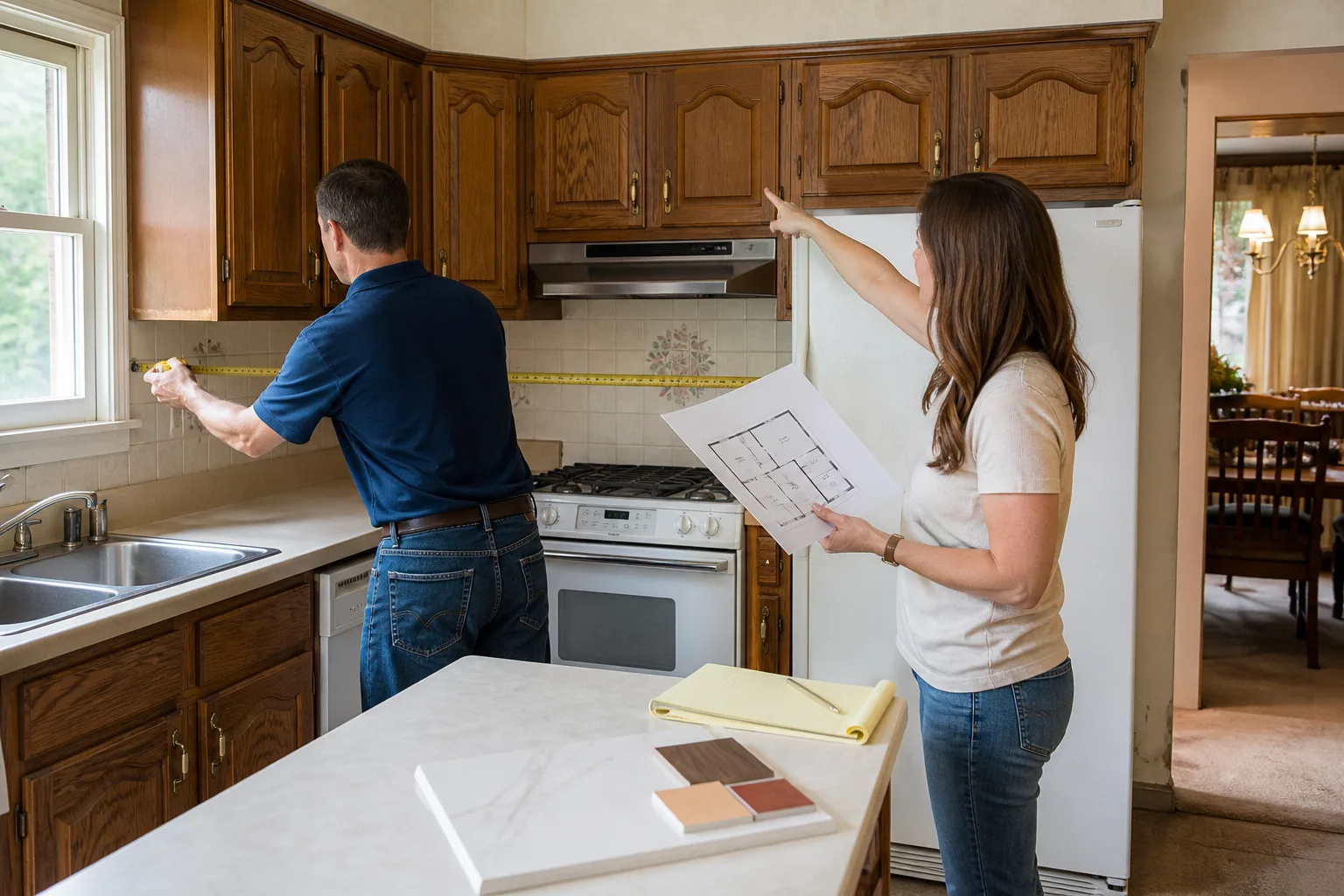
- Scope of work. Specific enough that a third party could read it and know what was included. “Remodel kitchen” is not scope. “Remove existing cabinets, countertops, and sink; install new KraftMaid cabinets, Cambria quartz countertops, and Moen faucet; relocate electrical for under-cabinet lighting to code” is scope.
- Payment schedule. California caps the down payment at 10% of the project cost or $1,000, whichever is less. Anything beyond that is a red flag.
- Change order process. How changes get priced and approved in writing.
- Timeline. A start date or window, and the sequence of work.
- Warranty language. What is covered, for how long, and what happens if something fails.
At Penhallow Remodeling Sacramento, every job gets a written price before any work starts. That is the Kingswell standard, and it has been since 2004: say the price before the work, show up in the window we gave, leave the place cleaner than we found it, and stand behind the work with a written guarantee. Trevor Nash runs the operation on that principle, and it is why our 365-Day Done Right Promise is on paper, not just on a brochure. If something we installed fails inside a year, we come back and fix it at no charge. Written price. Written guarantee. That is the entire point.
How to Read a Sacramento Contractor’s CSLB License Page
The Contractors State License Board maintains a public database of every licensed contractor in California. Reading a license page takes five minutes and catches problems that cost homeowners five figures. Here is the step-by-step for Sacramento homeowners.
- Go to cslb.ca.gov and click “Check a License.” You will need the contractor’s license number. If they will not give you the number, that is your answer.
- Verify the name. The name on the license must match the name on your contract. If John Smith hands you a contract for Smith Construction LLC but the license is under a different entity, the contract may not be enforceable against the licensed entity.
- Check the classification. As covered above, look for “B – General Building Contractor” for multi-trade remodels.
- Look at the status. “Active” is the only acceptable status. Note the expiration date: licenses can expire mid-project if the contractor lets them lapse.
- Review the bond information. California requires contractors to carry a $25,000 contractor’s bond (higher for some classifications). The license page shows the bond company and policy number. A $25,000 bond does not cover your entire project, but it gives you a recovery path for smaller claims.
- Check for workers’ compensation insurance. If the contractor has employees, they must carry workers’ comp. If the page shows an exemption and you know they run a crew, that is a problem. An uninsured worker injured on your property can file a claim against your homeowners policy.
- Scan the “Actions” section. This shows complaints, citations, suspensions, and arbitration awards. A clean record is good. A pattern of disputes about payment or work quality is a warning you should not ignore.
Five minutes on the CSLB site is the cheapest insurance you will ever buy on a construction project. We tell every prospective client to run this check on us. We pass it, and we want our competition held to the same standard.
Sacramento Permitting: What Triggers a Permit and What Happens If You Skip It
Most interior remodels in Sacramento require a building permit. The common homeowner belief that “cosmetic work does not need a permit” is wrong often enough to be dangerous. Here is what actually triggers a permit in Sacramento.
Work that requires a permit
- Kitchen remodels that move plumbing, electrical, or walls. Even if you keep the same footprint, relocating a sink or adding circuits triggers a permit.
- Bathroom remodels that open walls, replace the shower pan, or move fixtures.
- Structural changes including removing or altering load-bearing walls.
- Window and door replacements that change the opening size.
- Electrical panel upgrades. Any panel replacement or service upgrade needs a permit and an inspection.
- Water heater and HVAC replacements. Yes, even like-for-like swaps require permits in Sacramento.
What happens if you skip it
A stop-work order is the most obvious consequence. Sacramento code enforcement can halt a job mid-demo, and no legitimate contractor will resume work until the permit is pulled and fees are paid. The less obvious consequences are worse. Unpermitted work voids the workmanship warranty on many product lines. Your homeowners insurance can deny a claim for damage related to unpermitted work, even years after the remodel. When you sell the home, the disclosure process forces you to disclose unpermitted work, which either kills the deal or costs you the price of retroactive permitting and repair. In our experience, retroactive permits cost more than getting it right the first time, because the inspector now has to verify work they cannot see behind finished walls.
The cleanest approach is to make permitting part of the contract. Penhallow Remodeling Sacramento home projects include permit pulling and inspection coordination as a standard part of the scope. The homeowner should never be the one calling the building department to figure out why an inspector did not show. That is the contractor’s job.
What Construction Costs in Sacramento: Real Ranges for Your Project
Sacramento construction pricing runs slightly below the Bay Area and slightly above the national average. Labor is the largest variable, and the labor market in Sacramento is tight. Skilled tradespeople who work in the city can commute to the Bay Area for higher rates, which pulls local wages up. Materials have stabilized since the 2021 supply chain shock, but brand choices swing the bottom line more than most homeowners expect. Here are usable ranges for the three project types we handle.
Real Sacramento cost ranges (2025 market)
| Project | Typical Range | What Drives the Price |
|---|---|---|
| Kitchen remodel (full) | $35,000 – $85,000 | Cabinet line (KraftMaid entry vs. Wellborn custom), countertop material (Caesarstone vs. Cambria), layout changes, appliance upgrades |
| Bathroom remodel (full) | $18,000 – $45,000 | Shower construction method, tile selection, vanity brand, plumbing relocation |
| Whole-home remodel | $120,000 – $300,000+ | Square footage, structural changes, system upgrades (electrical, HVAC), finish level |
These are full-project numbers, not materials-only. A “kitchen remodel” quoted at $12,000 in Sacramento is either a cabinet refacing job, a materials-only quote, or a contractor who will not finish the job. Pricing honesty is the point. When we give a written price, it includes the entire scope: demolition, rough-in, installation, finishes, project management, and the warranty. The number on day one is the number on the invoice. No change orders unless you change the scope.
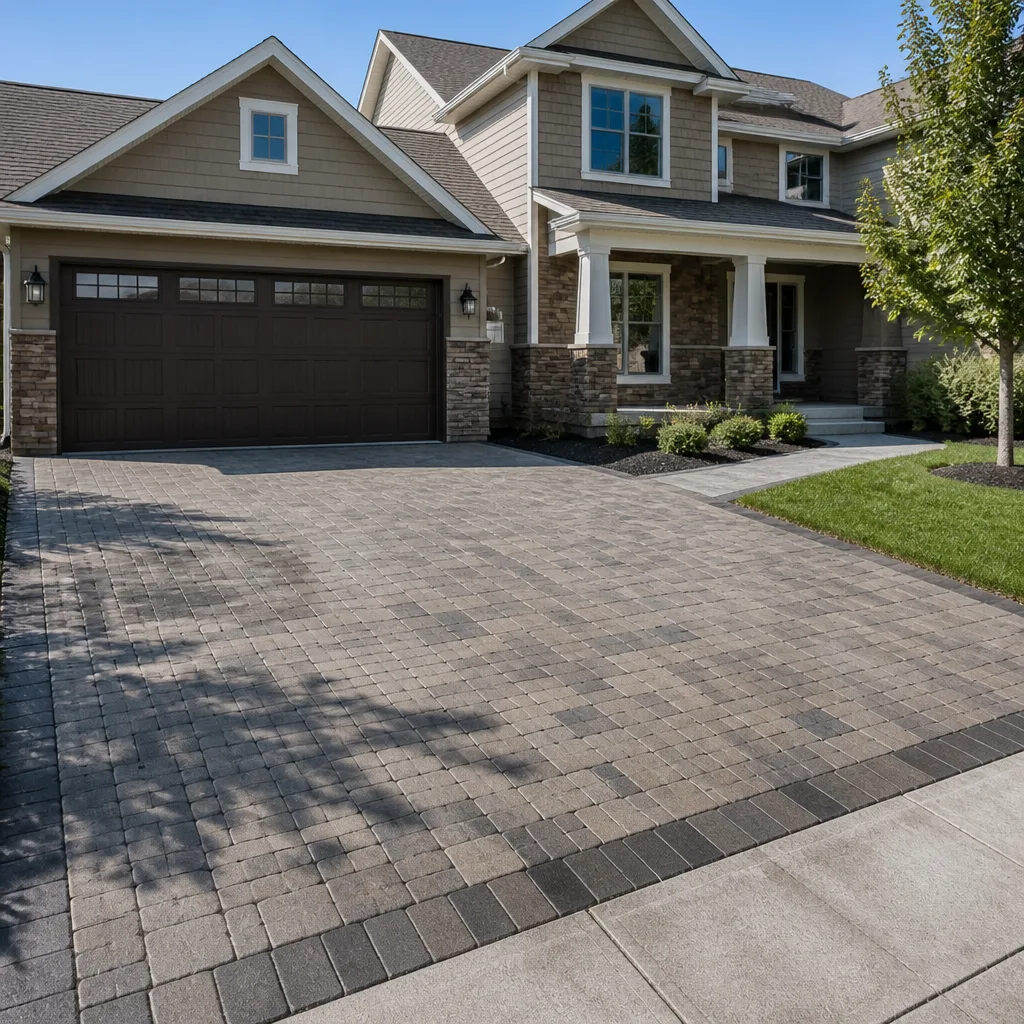
Materials matter to these ranges. We install Cambria, Silestone, and Caesarstone countertops because they carry manufacturer warranties that layer on top of our own. Kohler and Moen fixtures are standard on our bathroom jobs because they hold up under Sacramento’s hard water and are serviceable years later. ActiveYards and Belgard products show up on exterior living projects for the same reason. The product behind the guarantee has to be as solid as the guarantee itself.
For homeowners comparing bids, the question is not “can you do it cheaper.” The question is “what is included in this number.” Two bids can be $20,000 apart on the same kitchen and both be legitimate. The lower bid is usually missing plumbing relocation, electrical upgrades to code, or a real project manager. The higher bid usually includes them. Ask for a line-item breakdown so you can compare scope, not just totals.
Common Mistakes to Avoid
- Accepting a verbal estimate as a contract. In California, a verbal number is a courtesy, not a commitment. If the contractor will not put it in writing, you do not have a price. You have a conversation.
- Skipping the CSLB license check. Five minutes on the website catches suspended licenses, wrong classifications, and unresolved complaints. Skipping it turns a five-minute task into a six-month dispute.
- Paying more than the legal down payment. California caps upfront payments at 10% or $1,000, whichever is less. A contractor asking for 50% before materials arrive is either undercapitalized or planning not to finish.
- Assuming Sacramento is one permitting jurisdiction. City and county rules differ. Filing with the wrong authority stalls your project and can trigger a stop-work order.
- Choosing the lowest bid without comparing scope. The low number is low for a reason. It usually means someone is not pulling permits, not carrying workers’ comp, or not including something you assumed was standard.
- Ignoring the heat cycle when scheduling exterior work. Paint, stucco, and concrete all fail differently in Sacramento’s triple-digit summers. A contractor who schedules exterior work in July without accounting for heat is a contractor who does not know the local climate.
- Not getting the warranty in writing. “We stand behind our work” is not a warranty. “If it fails within 365 days, we fix it at no charge, and this is written into your contract” is a warranty. Ours says exactly that.
When to Call a Professional
Permits, structural changes, electrical work, plumbing relocation, and any project involving multiple trades should go through a licensed general contractor. The risk of doing it yourself is not just the work. It is the liability when unpermitted work fails, the insurance gap when something goes wrong, and the resale problem when the work has to be disclosed. Sacramento’s building inspectors are thorough, and the city’s code enforcement division is active. The stakes are not hypothetical.
If you are planning a kitchen, bathroom, or whole-home remodel in Sacramento, the first call should be to a general contractor who will hand you a written price and a written guarantee before anything gets demoed. Penhallow Remodeling Sacramento offers free estimates in Sacramento. Call (279) 300-1177 and we will walk the project with you, explain what is feasible, and put the numbers on paper.
Frequently Asked Questions
A full kitchen remodel in Sacramento typically runs $35,000 to $85,000. The spread is driven by cabinet line, countertop material, layout changes, and appliance upgrades. A cabinet refacing or materials-only job comes in lower, but that is a different project. Call (279) 300-1177 for a written line-item quote on your specific kitchen.
Yes, if the remodel opens walls, moves plumbing, or replaces the shower pan. A permit is also required for any electrical work. The only bathroom work that skips a permit is strictly cosmetic, like replacing a vanity top without touching plumbing or repainting. When in doubt, pull the permit. Unpermitted work costs more to fix later than to permit now.
A general contractor holds a Class B license and can manage projects involving multiple trades. A specialty contractor holds a Class C license for a specific trade, such as plumbing or electrical. A remodel that spans framing, drywall, plumbing, and tile requires a general contractor as the prime. Hiring a specialty contractor to run the whole job is a licensing violation that can invalidate your permit and your insurance coverage.
Visit cslb.ca.gov, click “Check a License,” and enter the contractor’s six-digit license number. Verify the name matches your contract, the classification is “B – General Building Contractor” for multi-trade work, the status is “Active,” and the workers’ comp coverage is current. Check the “Actions” section for complaints or citations. The whole process takes five minutes.
Not if you have a written scope and a written price. The price changes only when the scope changes, and that change should be documented in a signed change order before the additional work begins. A contractor who raises the price mid-project without a scope change is either disorganized or testing your tolerance. Our written price on day one is the number on the invoice, unless you add something to the job.
A full bathroom remodel in Sacramento typically takes 3 to 6 weeks from demolition to final inspection, depending on scope and material lead times. Custom tile work, shower glass, and specialty fixtures add time. Permitting adds 2 to 4 weeks on the front end if it is not already in hand. We give every client a written schedule with a real arrival window before work starts, so you know the sequence and the duration up front.
The Bottom Line
Sacramento construction is not harder than anywhere else, but it is specific. The dual jurisdiction system, the heat cycle, the licensing rules, and the loose verbal-estimate culture all punish homeowners who move too fast and skip the verification steps. The fix is simple and repeatable: verify the license, confirm the right permit authority, get a written price, get a written warranty, and never pay more than 10% down. Do those five things and your remodel in Sacramento will be a project you manage, not a problem that manages you. When you are ready to start, call (279) 300-1177 for a free estimate and a written price from a contractor who has been doing it the right way since 2004.
Written by Trevor Nash, Owner at Penhallow Remodeling Sacramento, serving Sacramento since 2004.
See the difference
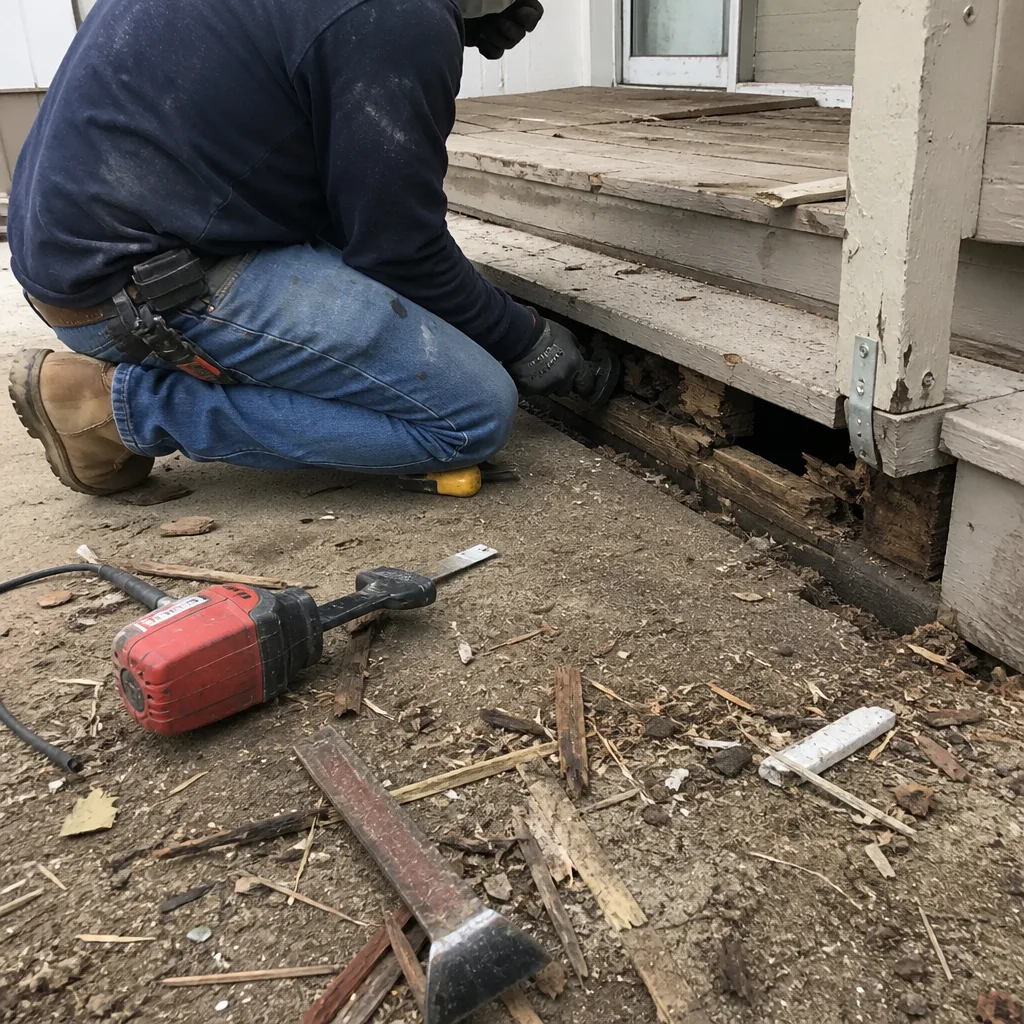 Before
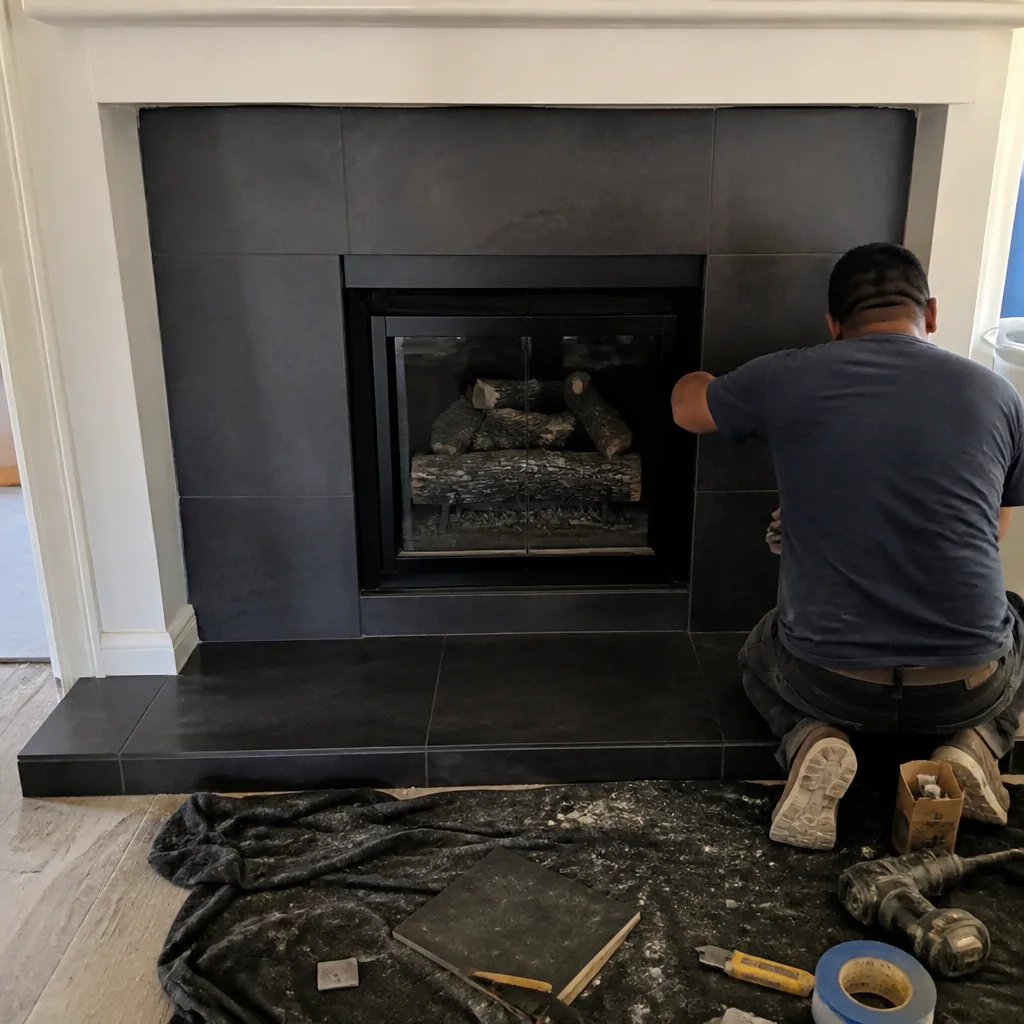 After
After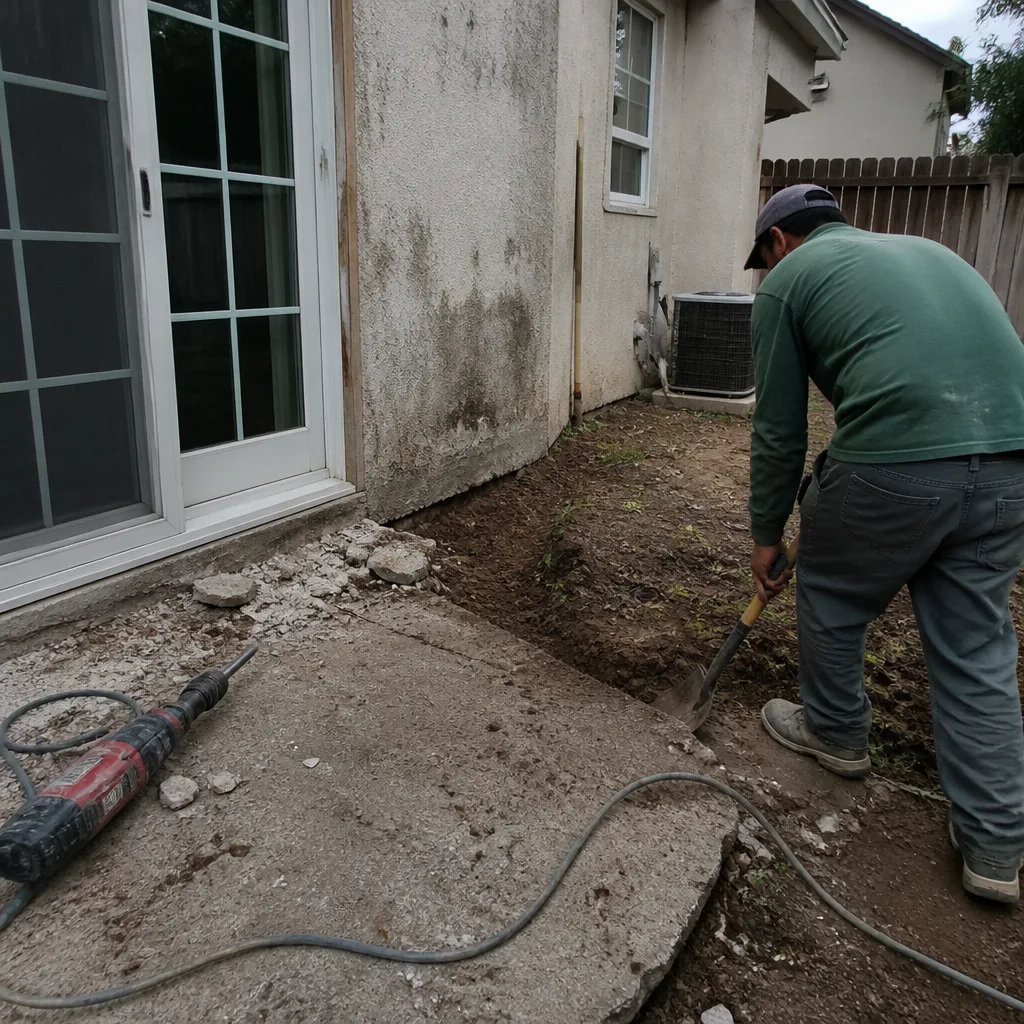 Before
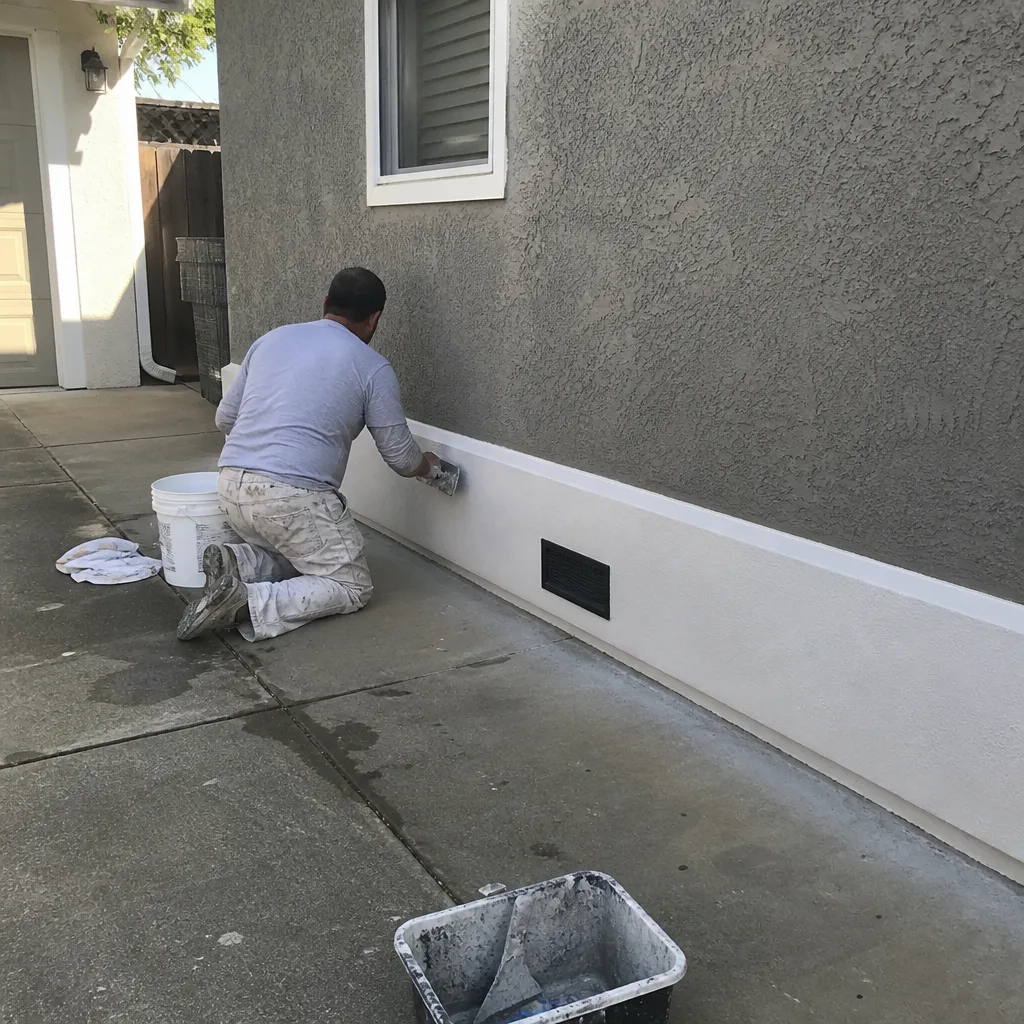 After
After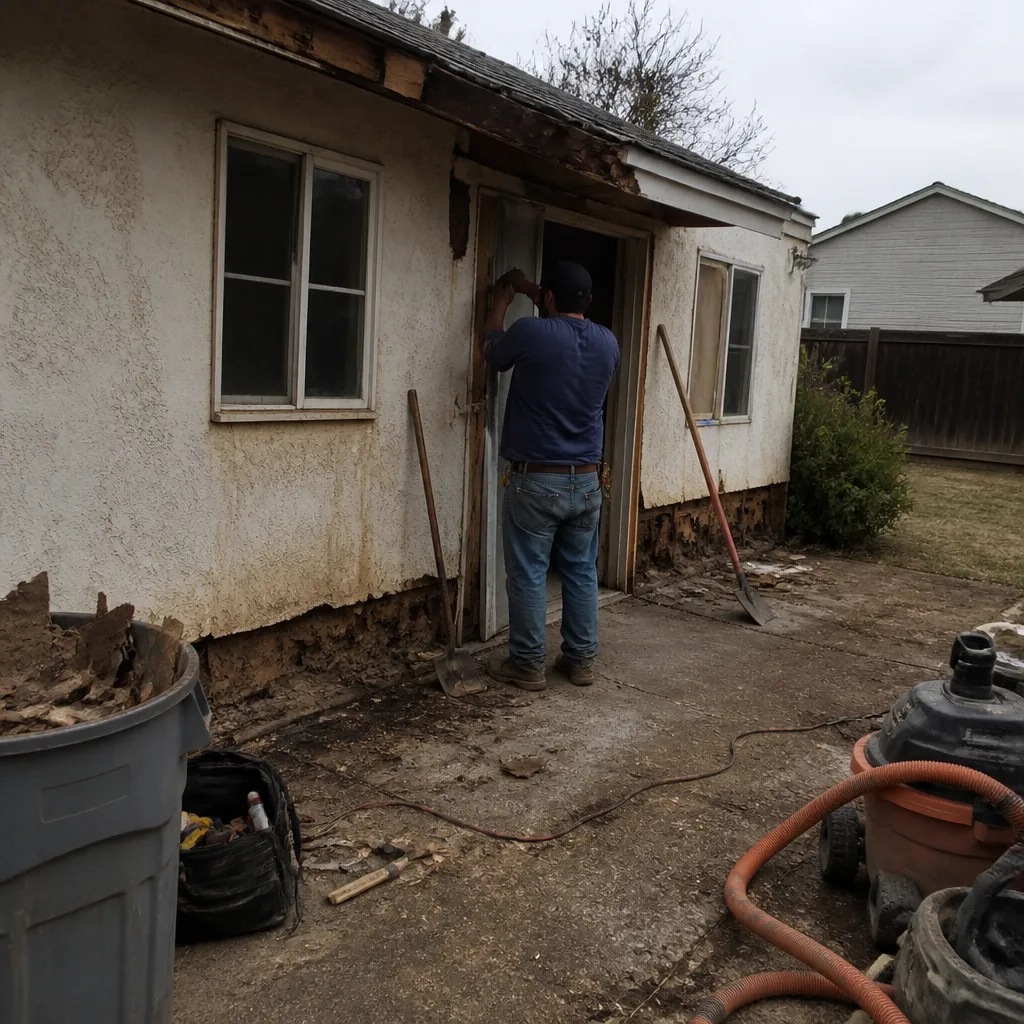 Before
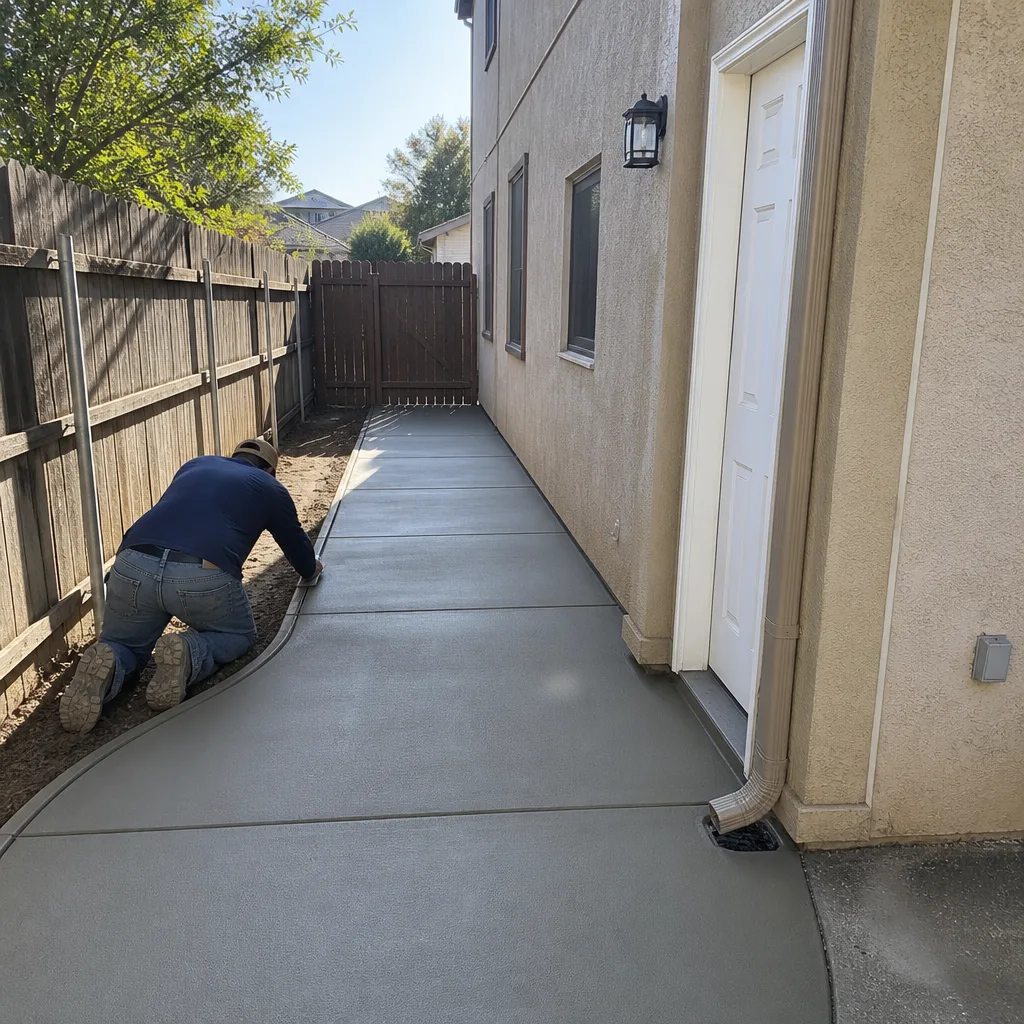 After
After