Last updated October 15, 2026
Free written scope consultation - allowances, timeline, and change-order rules on paper before a single trade is scheduled
Construction Cost Breakdown: The Sacramento Homeowner’s Reference for 2026
A national cost-estimating site recently pegged a Sacramento bathroom remodel at $8,000 to $15,000. Three licensed Sacramento contractors put the same scope, meaning demo, new tile, vanity, toilet, and permit, at $18,500 to $24,000. The gap isn’t fraud. It’s a national average that never accounted for Sacramento County permit fees, local labor rates, or California disposal costs. This guide replaces those guesses with real numbers from Sacramento projects, including the line items most more guides & resources leave out.
Quick Answer
A full-home remodel in Sacramento runs $95 to $165 per square foot in 2026. Kitchen remodels land between $22,000 and $65,000, bathrooms between $14,000 and $32,000, and a 500-square-foot ADU between $180,000 and $260,000. These numbers include Sacramento permit fees, local labor, and California material costs that national averages routinely understate by 20 to 35 percent.
Styles & brands we work with
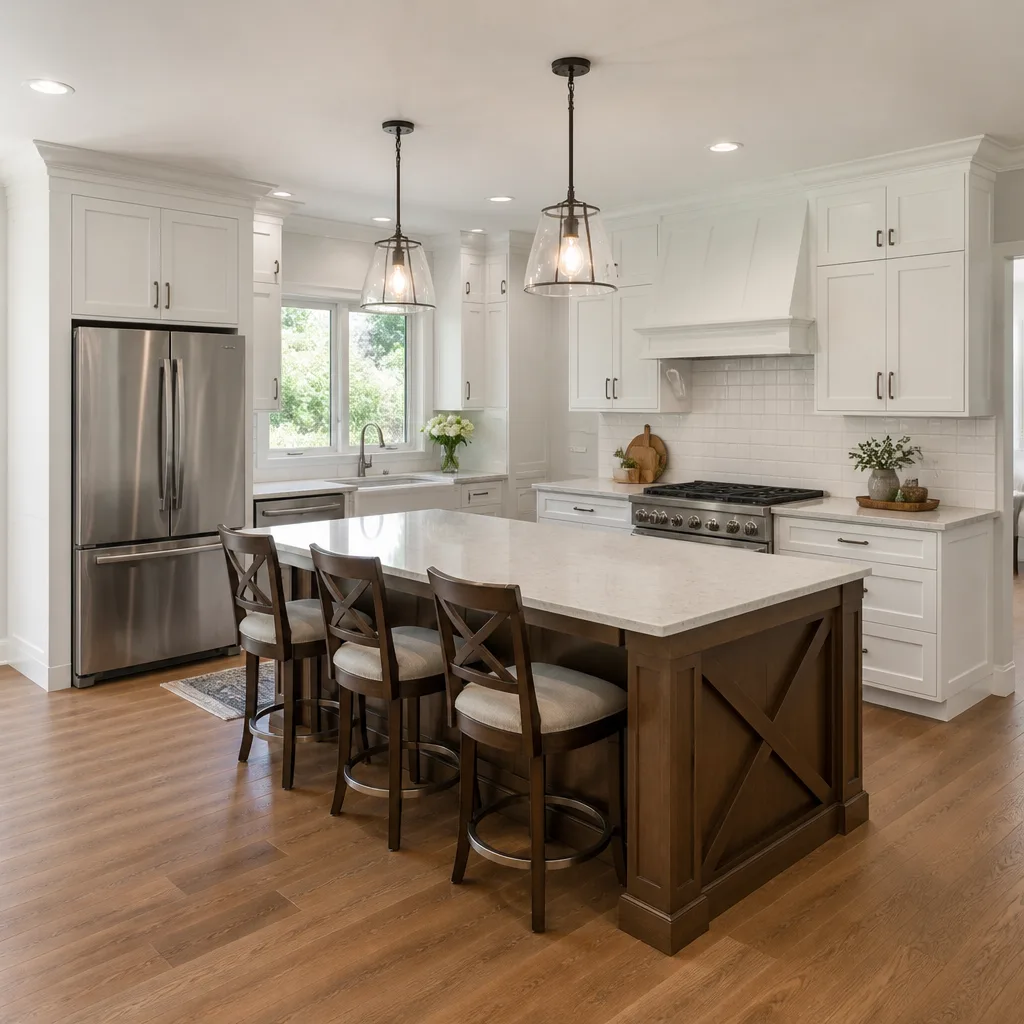
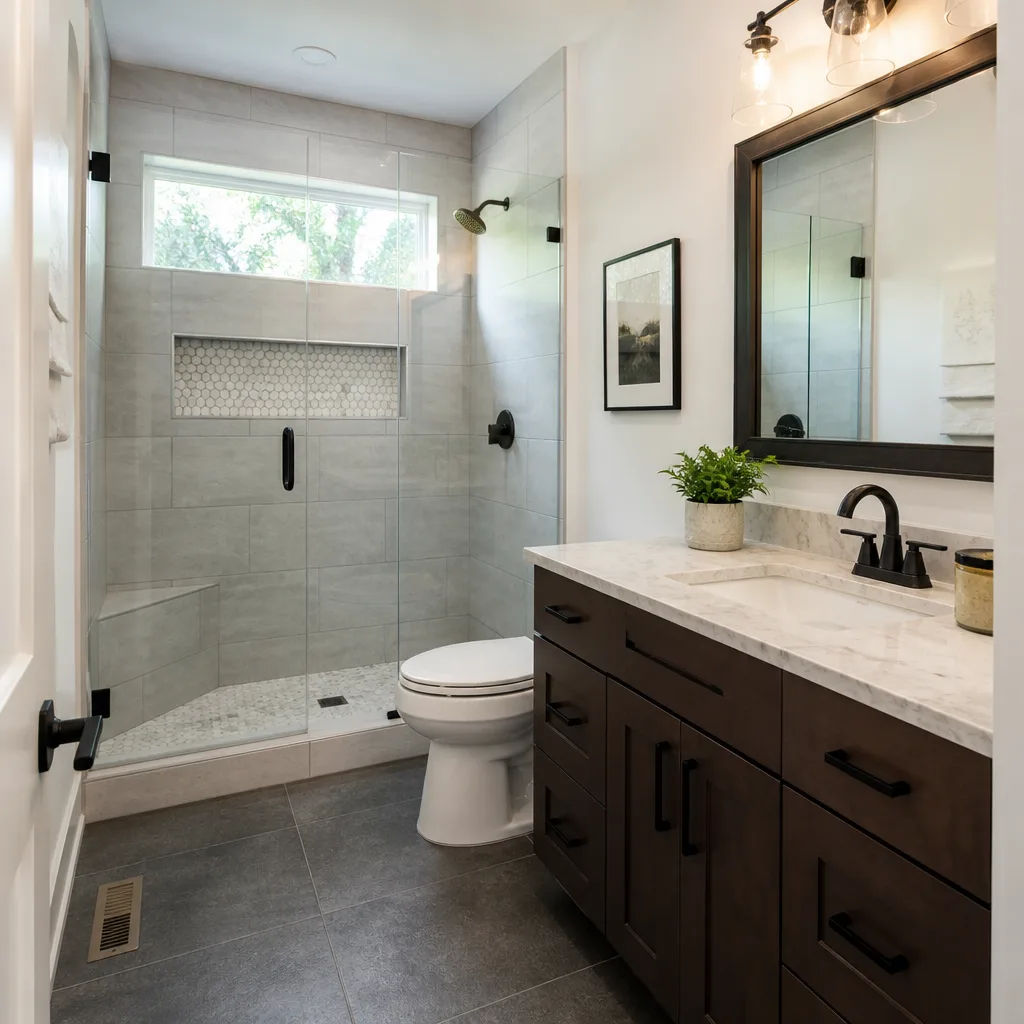
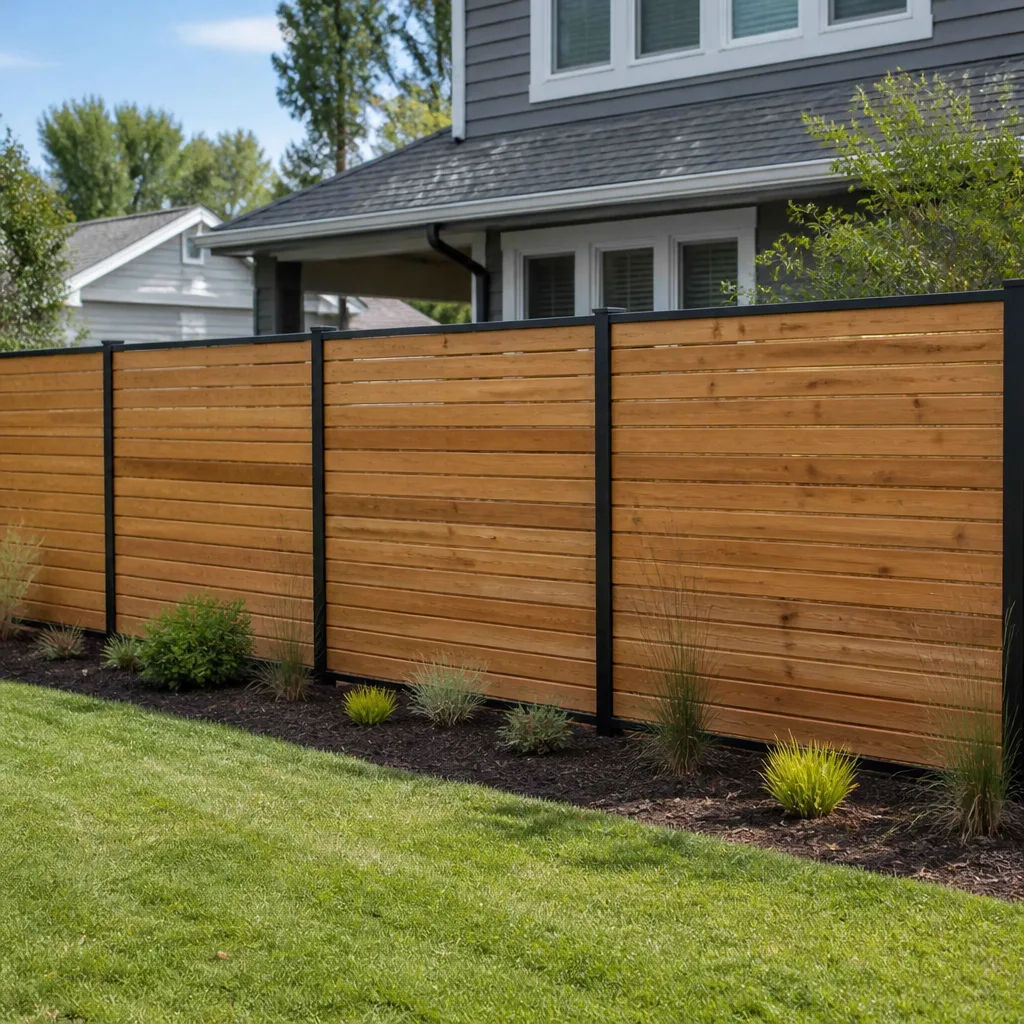
Table of Contents
- Room-by-Room Cost Table for Sacramento Projects
- How Sacramento Permit Fees Actually Work
- Why Sacramento Labor Costs More Than Stockton or Fresno
- How to Read a Contractor’s Written Estimate
- The Three Projects Sacramento Homeowners Most Often Underbudget
- Allowances: The Line Item That Moves Your Final Price
- The Right Sequence for Getting Accurate Bids
- Common Mistakes to Avoid
- When to Call a Professional
- Frequently Asked Questions
Room-by-Room Cost Table for Sacramento Projects
These ranges come from Sacramento-area projects we’ve priced and built alongside other local contractors. They assume a house built after 1970 with no major structural surprises. If your home predates 1960, add 10 to 20 percent for the unknowns hiding behind old plaster and original framing.
| Project | Typical Sacramento Range | What’s Included | What’s Excluded |
|---|---|---|---|
| Kitchen remodel (galley, no layout change) | $22,000 – $38,000 | Cabinet refacing or stock replacement, laminate or entry quartz counters, mid-range sink and faucet, new lighting on existing circuits, paint, permit | Layout changes, custom cabinetry, high-end stone, new appliances, electrical service upgrades |
| Kitchen remodel (open-plan, structural wall removed) | $48,000 – $85,000 | Structural beam and engineering, full custom or semi-custom cabinets, quartz or granite counters, tile backsplash, island with plumbing, new circuits, flooring, permit | Appliance packages, luxury fixture lines, moving the kitchen to a different room |
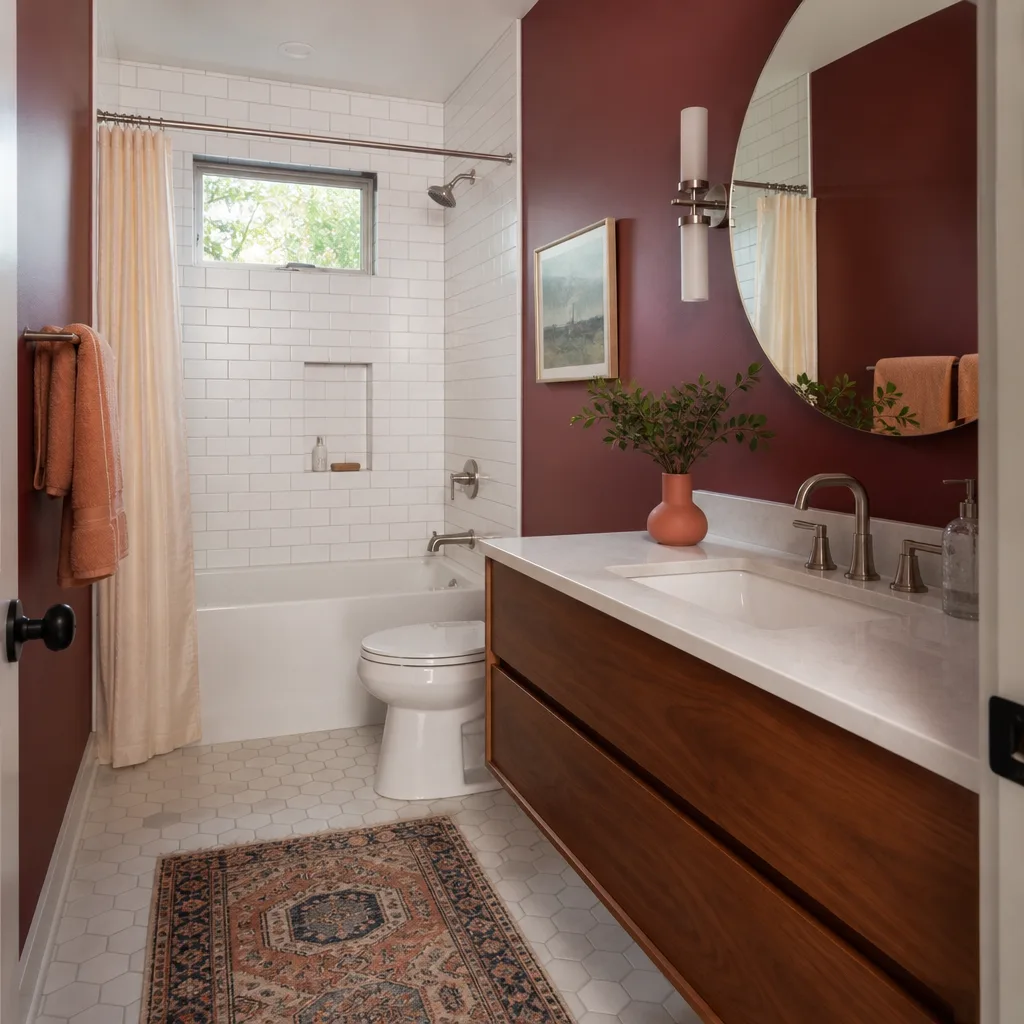
| Bathroom remodel (tub/shower, single vanity) | $14,000 – $24,000 | Demo, cement board substrate (the moisture-resistant layer behind your tile), new tub or shower pan, tile surround, vanity, faucet, toilet, exhaust fan, permit | Relocating fixtures, heated floors, custom glass enclosures, structural repair |
| Bathroom remodel (walk-in shower, double vanity) | $22,000 – $38,000 | Full demo, expanded shower with tile walls and glass door, waterproofing membrane, double vanity with quartz top, two faucet sets, in-floor heating in some cases, permit | Moving drain lines, custom cabinetry, steam unit, high-end shower systems |
| Whole-home remodel (1,800 sq ft, cosmetic) | $170,000 – $300,000 | Flooring throughout, interior paint, kitchen and two bathroom updates, new baseboards, door hardware, lighting, permit | Structural changes, room additions, full electrical or plumbing repipe |
| Whole-home remodel (down-to-studs on half the house) | $300,000 – $550,000 | Demo to framing, new electrical and plumbing in renovated zones, insulation, drywall, all new finishes, layout improvements, permit | Square footage additions, foundation work, full gut of entire house |
| ADU (500 sq ft, one bedroom, one bath) | $180,000 – $260,000 | Site prep, foundation, framing, roofing, siding, electrical, plumbing, HVAC mini-split, finishes, utility connections, permit | Landscaping restoration, solar, premium finishes, site access complications |
Every one of these ranges reflects what we call “total project cost,” meaning the number on the final invoice, not the number on a bid that quietly omits paint, permits, or cleanup. When you compare bids in Sacramento, ask whether the number includes the permit and the paint. Those two omissions account for the majority of apparent price gaps between contractors.
How Sacramento Permit Fees Actually Work
Sacramento County and the City of Sacramento calculate permit fees differently-see our Construction Permits, Codes & Inspections in CA: What You Need to Know-and both use valuation tables rather than flat rates. That means your permit cost scales with the stated project value, which sounds obvious until you realize two contractors bidding the same kitchen can trigger different fees by declaring different valuations. A $30,000 kitchen at City of Sacramento rates lands a building permit and electrical/plumbing trade permits that add roughly $900 to $1,600 to the job, depending on the number of fixtures and circuits. Sacramento County runs comparable, though unincorporated-area valuations sometimes shift the number by a few hundred dollars either direction.
Here’s what those fees actually cover:
- Building permit: Plan review, inspections at defined milestones, and a certificate of completion. City of Sacramento charges a base fee plus a per-thousand valuation multiplier.
- Electrical permit: Covering new circuits, panel changes, or relocation of outlets and switches. The fee scales with the number of circuits altered.
- Plumbing permit: Any fixture moved, added, or replaced at the wall rough-in level. A simple faucet swap usually doesn’t trigger one; moving a sink drain does.
- Mechanical permit: Required for HVAC duct changes, range hood venting, or adding a ductless unit.
- Plan check fees: A percentage of the building permit, charged when the city or county reviews your drawings. Structural changes and ADUs almost always require plan check.
One number that surprises Sacramento homeowners: an ADU permit package typically adds $6,000 to $12,000 in fees and plan review before a single day of construction happens. That’s not a contractor markup. That’s the city and county calculating impact, infrastructure, and inspection costs. Our written estimates include the permit line as a fixed number we’ve run through the fee schedule, not as an allowance that shifts later.
Why Sacramento Labor Costs More Than Stockton or Fresno
Sacramento sits in a labor pricing band of its own. The same licensed plumber who charges $85 an hour in Stockton bills $110 to $130 in Sacramento. Carpenters run $65 to $95 an hour in the city versus $50 to $70 in Fresno. The gap reflects three forces that national guides don’t model well.
First, Sacramento draws labor into Bay Area commuter range. A finish carpenter who can bill $140 an hour in Walnut Creek won’t work in Sacramento for $60, even if they live in Elk Grove or Rancho Cordova. The Bay Area’s wage gravity pulls Sacramento’s rates up without pushing them to Bay Area levels.
Second, California’s worker classification and insurance requirements add real cost to every labor hour. Workers’ compensation rates in California run among the highest in the country, and Sacramento County’s contractor licensing enforcement means uninsured labor is harder to hide. That’s a good thing for homeowners, but it shows up in the hourly rate.
Third, Sacramento’s construction season runs long and hot. Summer crews lose productive hours to heat, and that lost efficiency gets priced into labor rates. A roofing or siding crew in Sacramento has to manage 105-degree afternoons from June through September, which means shorter effective workdays and more rest breaks than a crew in Chico or Redding.
When a national cost guide says you can hire a licensed contractor for $45 an hour in the Sacramento area, what it really means is you can hire someone who may not carry the insurance, workers’ comp, and pay structure of a legitimate, licensed operation. The labor rate is the safety and legality rate, not a markup.
How to Read a Contractor’s Written Estimate
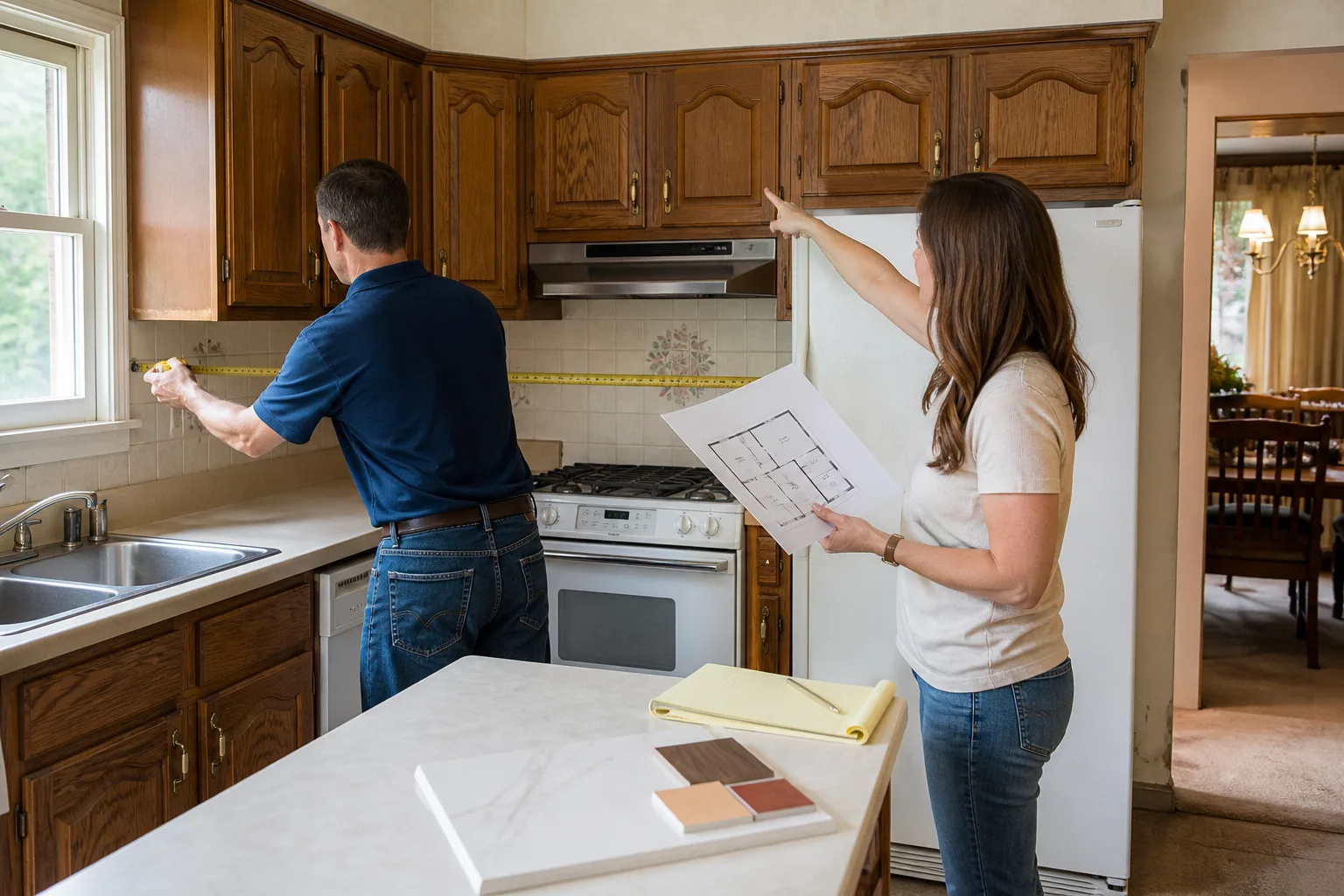
Most Sacramento homeowners don’t overpay because they hired a crook. They overpay because they read a written estimate as a fixed contract when it was actually a proposal with moving parts. Here’s the difference, line by line.
- Fixed-cost line items: These are materials and labor the contractor can price exactly before demo. Tile, vanities, faucets, new windows, paint. If a line item names a specific product with a model number, that price should not move unless you change the product.
- Time-and-materials clauses: Some estimates include a section stating that conditions behind walls or under floors are billed hourly if discovered. For a 1970s Sacramento ranch with original plumbing, a contractor might include $2,000 to $4,000 of “open-wall contingency” that only gets billed if the pipes are corroded. That’s honest, but it must be disclosed, not discovered.
- Allowance items: A dollar amount set aside for a category where you haven’t chosen a specific product yet. We’ll cover this in depth below, because allowances are where final invoices most often outgrow the written estimate.
- Exclusions: The most important section of any estimate. If paint, permits, dump fees, or hardware aren’t listed, they’re not included. An excluded permit isn’t a savings, it’s a cost you’ll pay directly.
- Payment schedule: California law limits the down payment a contractor can collect to $1,000 or 10 percent of the contract price, whichever is less. Any contractor asking for more up front is violating state law.
Our approach at Penhallow Remodeling Sacramento home is to write the price before the work, and to name the few conditions where a number can change. If an estimate has no exclusions section and no allowance section, the contractor is either vastly overpricing to cover unknowns or planning to add change orders later.
The Three Projects Sacramento Homeowners Most Often Underbudget
Some remodels run over because of hidden rot or cracked slabs. But more often, the overrun happens because three specific project types carry line items that homeowners, and most guides, don’t account for. Our Construction Warning Signs: A Sacramento Homeowner’s Reference Guide covers additional red flags. Here’s where Sacramento budgets break.
1. Kitchen remodels with load-bearing wall removal
Opening a kitchen into a living room in an East Sacramento bungalow or a Land Park ranch means removing a load-bearing wall. The engineering, beam installation, temporary supports, and drywall repair add $6,000 to $14,000 even before you touch cabinets. That’s the structural cost. Then Sacramento’s title 24 energy requirements may push the remodel into a lighting and insulation compliance update, another $1,500 to $4,000. The cabinet quote was never the problem; the wall was.
2. Bathroom remodels in pre-1980 homes
Older Sacramento bathrooms hide cast iron drain lines and original galvanized supply piping. Demo reveals corrosion, and the plumbing scope expands. Replacing a cast iron stack or re-piping a bathroom wall can add $3,500 to $8,000. Add Sacramento’s requirement that any shower rebuild include a waterproofing membrane inspection, and you’re through the original budget before tile selection begins. We tell every Midtown and Arden-Arcade client the same thing: in a pre-1980 bathroom, expect the plumbing discovery, not hope against it.
3. ADUs and garage conversions
The ADU price per square foot that sounds reasonable in a guide rarely includes utility connections. Sacramento Municipal Utility District and PG&E service upgrades, sewer lateral connections, and new electrical panels can add $15,000 to $30,000 that no square-foot formula captures. A garage conversion that looks like a $90,000 project on paper becomes $130,000 when the slab needs leveling, the electrical panel needs an upgrade, and the city requires a dedicated parking replacement.
If you’re planning any of these three, budget the structural and systems costs first. The finishes are the part you see, but they’re not the part that breaks the number.
Allowances: The Line Item That Moves Your Final Price
An allowance is a placeholder dollar amount your contractor uses when you haven’t chosen a specific product. The estimate says “shower tile allowance: $1,800.” Then you visit the tile showroom and fall for a $4,200 porcelain. The contractor isn’t overcharging; the allowance was never a cap. It was a starting number.
Here’s how to handle allowances without ending up 30 percent over the written estimate:
- Ask which line items are allowances before you sign. Cabinetry, countertops, tile, flooring, and lighting fixtures are the usual ones. If an estimate covers these with allowances, the final number is not the number on page one.
- Set your own allowance budget before shopping. Decide what you’re willing to spend on tile, then tell the contractor to quote that number.
- Pick the actual product before work starts. The only way an allowance becomes fixed is when you select the exact material and the contractor prices it. At Penhallow, we write allowances only when a homeowner insists on starting before choosing, and we always note the real number that product is likely to land at.
- Remember that fixtures have plumbing cost consequences. A Delta faucet and a wall-mounted Toto toilet don’t just cost more at purchase; they require different rough-in work. The product choice changes the labor line, not just the material line.
Allowances aren’t dishonest by default. But they’re the single most common reason a Sacramento homeowner’s final invoice lands above the written estimate. The fix is simple: convert every allowance to a fixed line before you agree to the job.
The Right Sequence for Getting Accurate Bids
Most Sacramento homeowners get bids in the wrong order. They call three contractors before they’ve chosen a cabinet line or confirmed their permit path, and then they compare three numbers built on three different assumptions. Here’s the sequence that produces comparable bids.
- Define the scope in writing first. Write a one-page description of what changes: which walls, which fixtures, which rooms, what level of finish. Give the same page to every contractor.
- Run the permit question early. Ask the City of Sacramento or Sacramento County whether your project triggers plan check and what valuation you should declare. You don’t need to file yet; you need the fee reality.
- Choose your finish level before bidding. Stock, semi-custom, or custom cabinets? Laminate, quartz, or stone counters? Delta, Moen, or a higher line? The same kitchen scope can swing $25,000 based on these three choices alone.
- Bid in a tier, not from a void. Ask each contractor for the same scope: “kitchen remodel, open wall between kitchen and dining room, semi-custom cabinets, quartz counters, no appliance changes.” Three bids, one scope.
- Compare exclusions before totals. A bid that’s $8,000 lower but excludes paint, permits, and dump fees is not lower. It’s a partial bid.
When the scope is identical and the exclusions are laid out, Sacramento bids on a typical mid-range kitchen land within $5,000 to $8,000 of each other. Anything wider usually means someone missed something, or someone is hoping you don’t notice they did.
Common Mistakes to Avoid
- Using a national cost calculator as your budget. Sacramento labor, fees, and disposal costs run 20 to 35 percent above national averages. A calculator that says $12,000 for a bathroom is setting you up for a $6,000 shortfall.
- Signing an estimate without reading the exclusions. If paint, permits, or cleanup aren’t listed, they’re not included. The gap between a written estimate and a complete scope is where final invoices grow.
- Assuming every allowance is a cap. An allowance is a placeholder, not a ceiling. The moment the product selection exceeds it, the final price moves.
- Banking your budget on the square-foot price of an ADU. Utility connections, panel upgrades, and site work don’t scale by square foot. A 500-square-foot ADU carries almost the same connection costs as an 800-square-foot one.
- Overlooking Sacramento’s summer heat in the schedule. Exterior work slows in July and August, and that lost productivity is priced into the bid. Plan exterior phases for spring or fall when possible.
- Paying a large deposit before work starts. California caps contractor down payments at $1,000 or 10 percent, whichever is less. A contractor asking for 30 percent up front is signaling a problem.
When to Call a Professional
Some cost questions have clean online answers. What does a mid-range kitchen cost in Sacramento? The table above gets you within range. But when you’re deciding between a structural change and a cosmetic refresh-our DIY vs Professional Construction: The Sacramento Homeowner’s Decision Guide can help with that call-or when two bids land far apart and you can’t tell whether one of them missed something, that’s the moment to get a written estimate from a contractor who prices the whole scope. Penhallow Remodeling Sacramento offers free estimates in Sacramento, and our number comes as a written line-item price, not a verbal ballpark. Call (279) 300-1177 to schedule yours.
Frequently Asked Questions
A Sacramento kitchen remodel runs $22,000 to $85,000 in 2026, with the spread driven by whether you keep the existing layout, choose stock or semi-custom cabinets, and whether structural work is involved. Call (279) 300-1177 for an exact quote on your scope, with a written price up front.
Sacramento permit fees typically add $900 to $1,600 for a standard kitchen or bathroom remodel, and $6,000 to $12,000 for an ADU. The fee scales with the stated project valuation and the number of trade permits required, not a flat per-room rate.
Sacramento’s labor rates sit above Central Valley cities because Bay Area wage competition pulls local trades upward, California workers’ comp and insurance requirements add significant per-hour cost, and summer heat reduces productive hours without lowering hourly rates.
An allowance is a placeholder dollar amount for a product category you haven’t chosen yet, like tile or cabinetry. If you select a product that costs more than the allowance, the final price increases by the difference. Always convert allowances to fixed line items before signing.
Budget $95 to $165 per square foot for a whole-home remodel in Sacramento. A 1,800-square-foot cosmetic remodel runs $170,000 to $300,000, while a partial down-to-studs remodel runs $300,000 to $550,000 depending on scope.
It shouldn’t, if the estimate is complete. Fixed-cost line items stay fixed, allowances move only when your product selection moves, and disclosed contingencies are the only honest variables. A written estimate with no exclusions and no allowances means the number on page one is the number on the invoice. For a written price you can hold us to, call (279) 300-1177.
The Bottom Line

Sacramento remodeling costs are specific. They’re not Bay Area prices, but they’re not Central Valley prices either. The gap comes from local labor, California compliance costs, and permit structures that national guides don’t model. The way to keep your project on budget is not to find the cheapest bid. It’s to get a written estimate with fixed line items, convert every allowance to a real number, and read the exclusions like they’re the contract, because they are. For a free written estimate on your Sacramento remodel, call (279) 300-1177.
Written by Trevor Nash, Owner at Penhallow Remodeling Sacramento, serving Sacramento since 2004.
See the difference
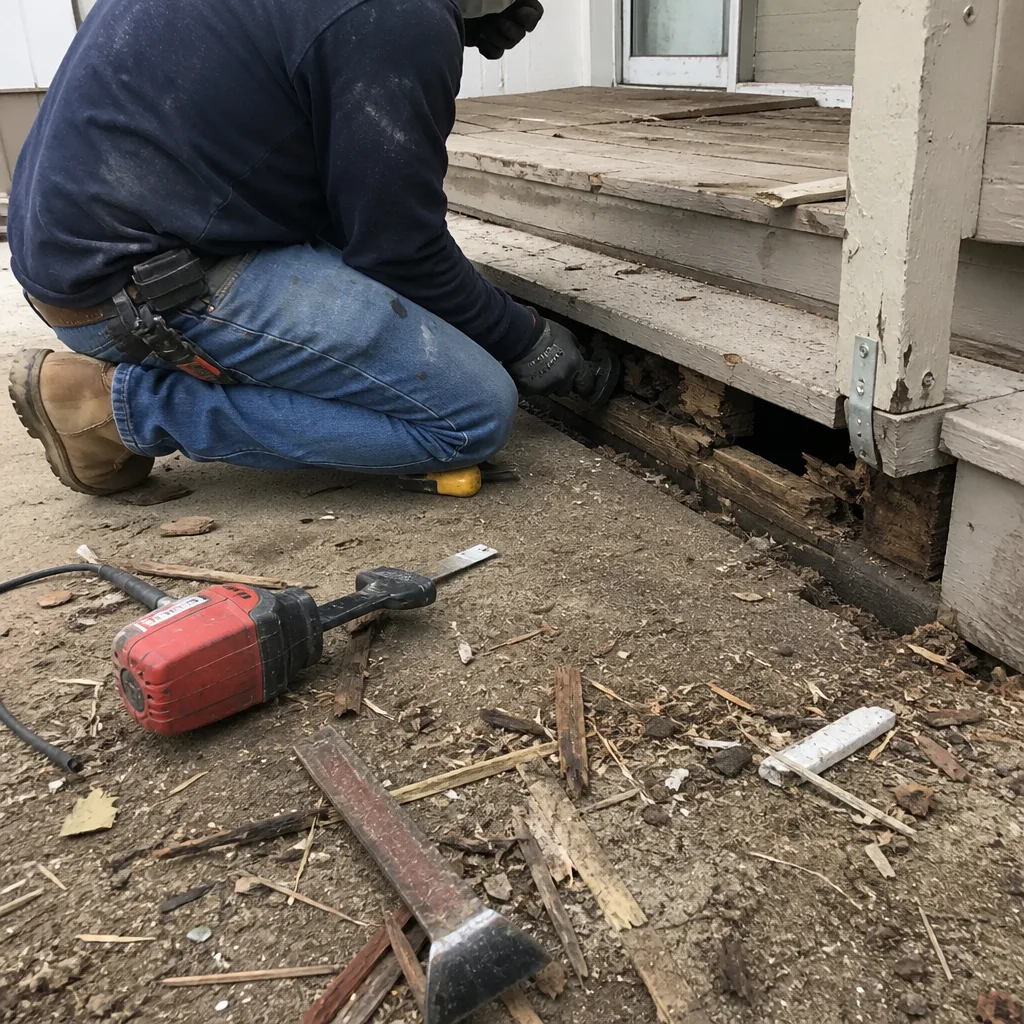 Before
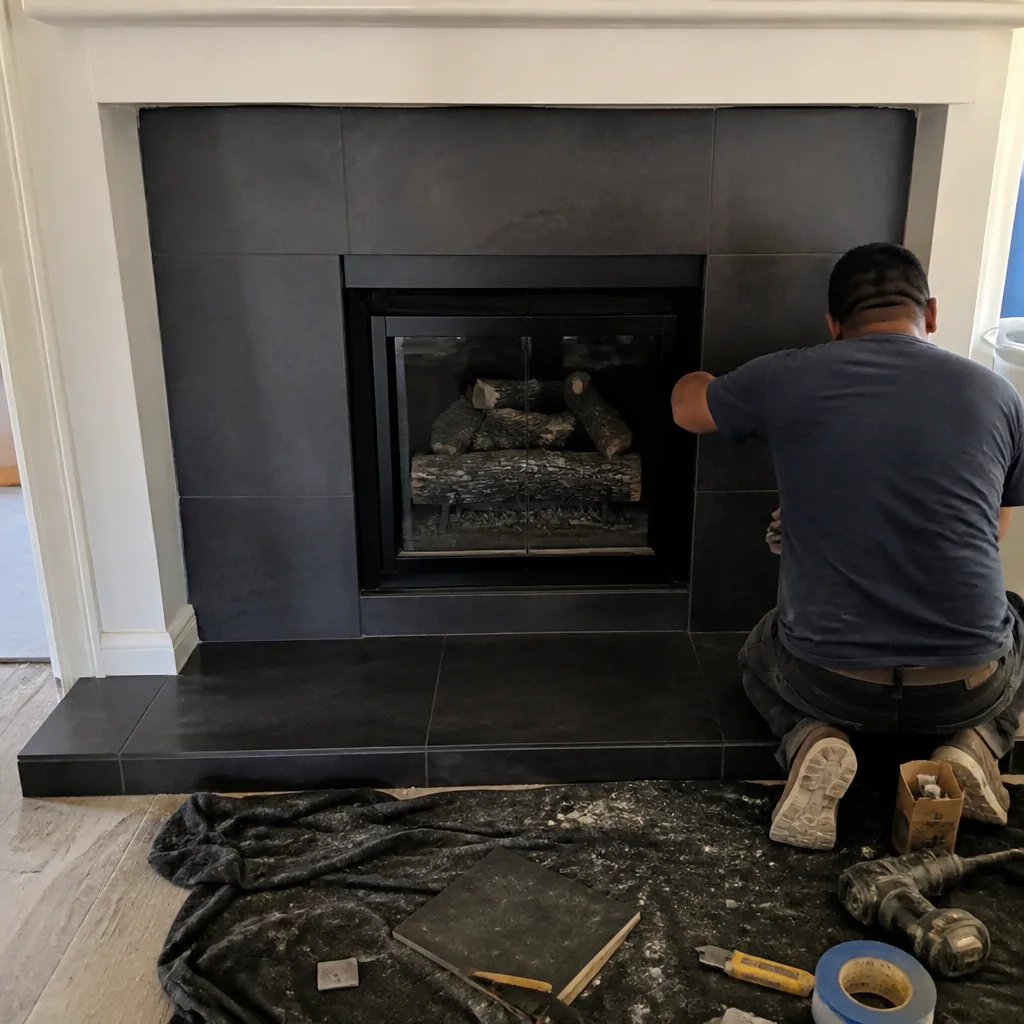 After
After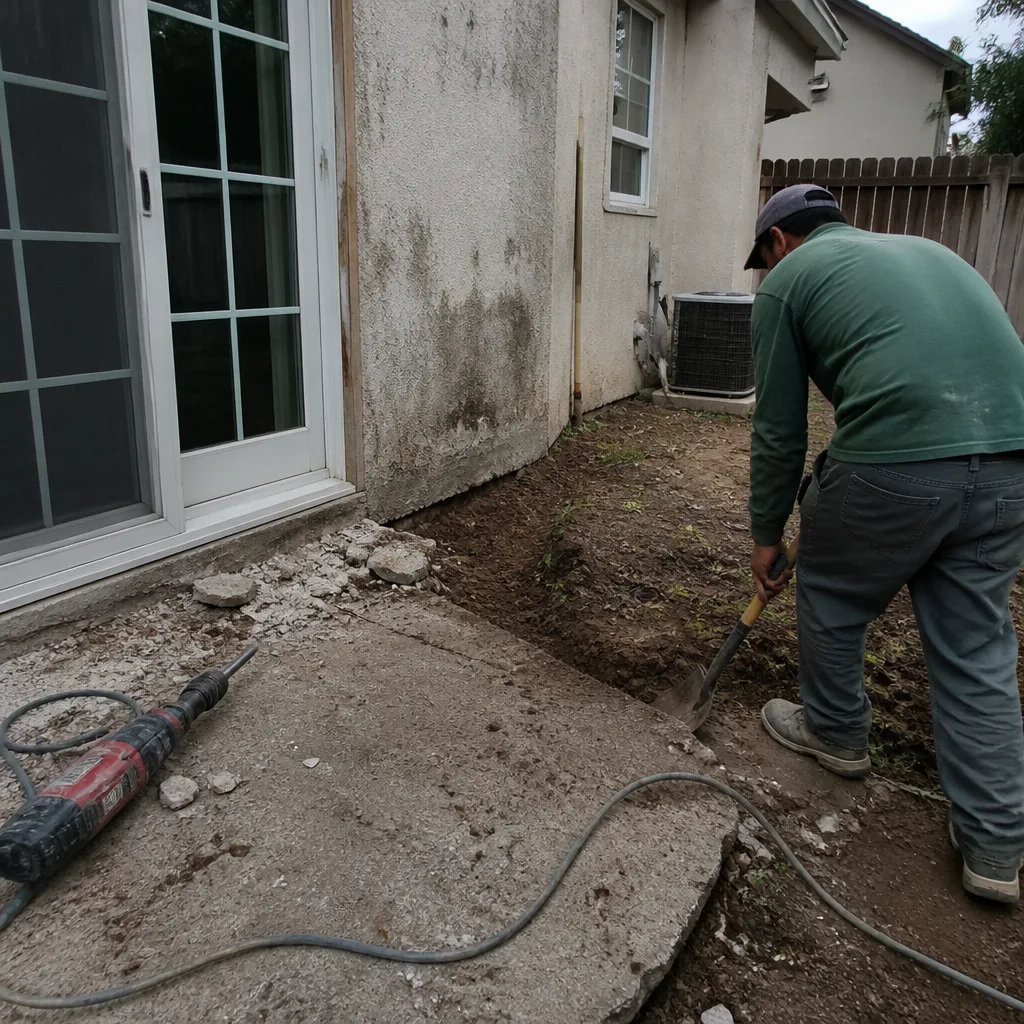 Before
 After
After Before
 After
After