
Last updated October 15, 2026







Free written scope consultation - allowances, timeline, and change-order rules on paper before a single trade is scheduled
Seasonal Construction Care for Sacramento: Year-Round Homeowner’s Guide
Sacramento averages roughly 20 inches of rain a year, and nearly 80% of it arrives between November and March. That single fact reshapes how a responsible homeowner maintains a house here. The dry stretch from May through October hides problems; the wet season reveals them all at once. Most seasonal maintenance guides are built around a four-season calendar that simply doesn’t exist in Sacramento; for more guides & resources tailored to the region, see our blog. This guide works off the actual rhythms of the valley: the long dry heat, the short intense wet window, and the two transition periods in spring and fall where the smart money gets work done. By the time you finish reading, you’ll know exactly what to check, when to check it, and when to stop inspecting and start calling someone with a written guarantee.
Quick Answer
Sacramento’s seasonal maintenance calendar revolves around two realities: a dry-heat season from May through October that punishes poorly ventilated attics, stressed concrete, and sun-bleached exteriors, and a wet season from November through March that exploits every crack, gap, and failed seal created during the dry months. The best return on your maintenance dollar comes in the transition windows: September through mid-October for exterior work, and March through April for post-rain inspection and repair. Exterior caulk, paint, and roof maintenance scheduled in late September addresses damage before rain arrives, and homes checked within 48 hours after major storms catch small failures before they become remodel-scale problems.
Styles & brands we work with


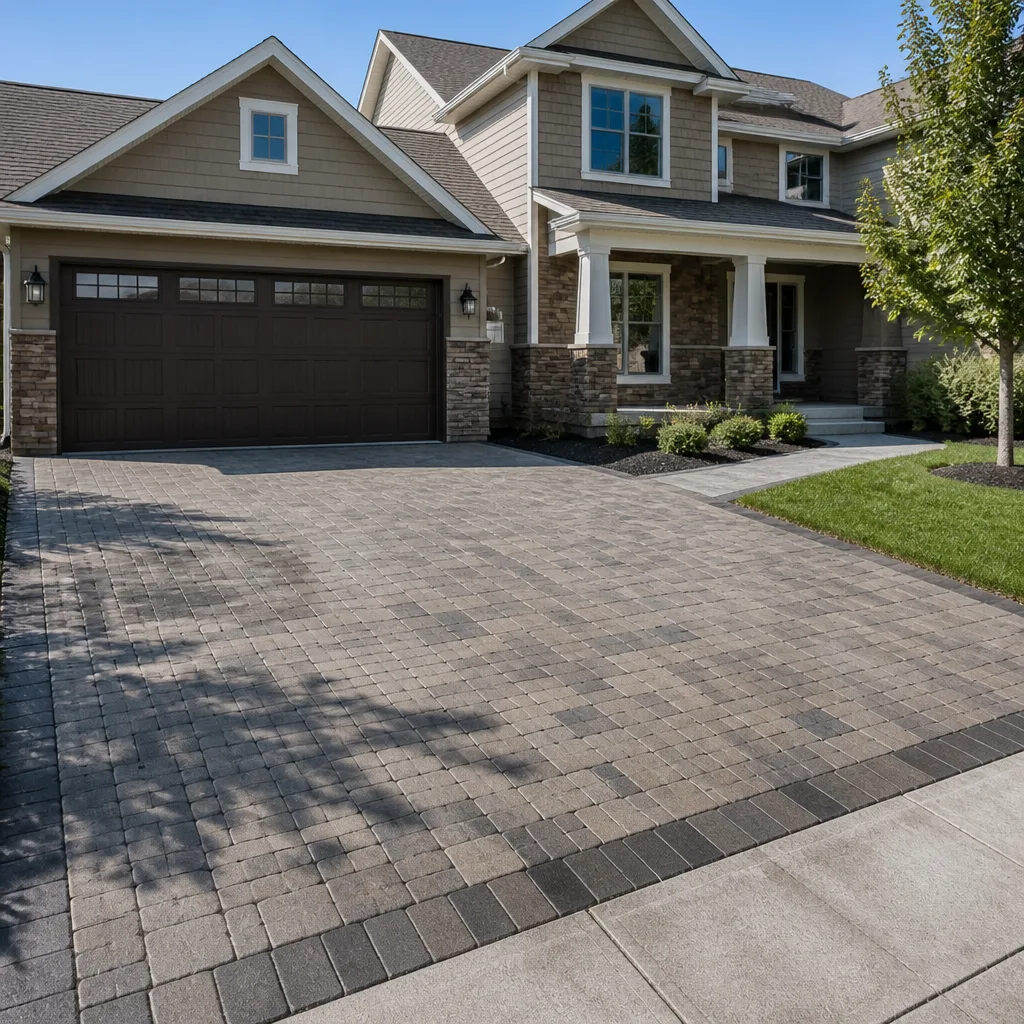

Table of Contents
- Sacramento’s Real Seasons: Dry Heat, Wet Window, and Two Transitions
- Why Late September Through October Is Sacramento’s Best Exterior Repair Window
- Summer Prep: Attic Ventilation, HVAC Filters, and Concrete Joints
- Protecting a Mid-Project Site During Atmospheric River Season
- The Post-Rain Inspection List: Five Things to Check Within 48 Hours
- Sacramento’s Rare Freeze-Thaw Cycle: What It Does to Plumbing and Hardscape
- When Sacramento Remodels Actually Cost Less: Timing Your Project
- What Seasonal Maintenance Costs in Sacramento: Real Numbers
Sacramento’s Real Seasons: Dry Heat, Wet Window, and Two Transitions
Sacramento gets roughly 20 inches of rain annually, and the distribution is what matters. Close to 80% falls between November and March. The other eight months are functionally a desert. That means your house endures two completely different stress profiles every year: months of intense UV exposure, low humidity, and thermal expansion, followed by months of water intrusion, soil saturation, and occasional wind-driven rain.
In our experience remodeling homes across Sacramento, we see the pattern repeat every year. The dry season cracks stucco. The wet season finds the crack. The dry season dries out window glazing until it pulls away from the frame. The wet season sends water behind it. Most homeowners only notice the wet-season symptom, but the cause happened months earlier, in the dry heat.
Here’s what each period actually does to your home:
- May through October (dry heat): Attics reach 140 degrees or more without adequate ventilation. Exterior caulk dries, hardens, and separates. Wood framing shrinks. Concrete slabs and walkways expand and contract daily, which is why expansion joints exist in the first place. Paint chalks and fades.
- November through March (wet window): Rainwater finds every gap the dry season created. Soil around foundations expands with moisture, sometimes enough to shift footing-adjacent concrete. Downspouts that were merely loose in September become functional failures in January.
- March through April (spring transition): The ground is still soft from winter rains, which makes it the easiest time to spot drainage problems and foundation movement. It’s also the best post-storm inspection window before the heat returns.
- September through mid-October (fall transition): The narrow, often-missed opportunity. Heat is tapering but dry weather remains. Caulk, paint, and sealants cure properly. Roof slopes are dry and safe to walk. This window is short, and most homeowners blow right past it.
The takeaway: if you only do exterior maintenance once a year, do it in late September or early October. Sacramento’s weather gives you roughly six weeks between heat that ruins caulk application and rain that ruins everything else.
Why Late September Through October Is Sacramento’s Best Exterior Repair Window
The window matters because of basic material chemistry. Caulk and exterior sealants need temperatures between about 50 and 80 degrees and low humidity to cure properly. In Sacramento, July and August are too hot. November is too wet. That leaves two narrow bands in spring and fall. The fall band is the better one because it puts fresh protection in place before the rain arrives, rather than after the damage is done.
Most homeowners miss the fall window because the weather still feels like summer. The first real rain in Sacramento typically arrives in late October or early November. By then, exterior caulk installed in September has had time to cure, bond, and settle. Caulk applied in November during a dry spell cures slower because the nights are colder and the morning dew adds moisture to surfaces.
Here’s what deserves attention during the September to mid-October window in Sacramento:
- Window and door perimeter caulk: Dry Heat causes caulk to shrink and pull away from siding, stucco, and trim. Run a finger along the bead. If it’s rigid or separated, it’s already failed.
- Roof penetrations and flashing: Pipe boots, vent collars, and chimney flashing take the most UV exposure. Check for cracked rubber, lifted metal, and missing sealant at the edges before the rain finds the gap.
- Exterior paint on south and west walls: Sacramento’s sun is brutal on those exposures. If paint is chalking, peeling, or thin, a touch-up coat applied in October has ideal curing conditions.
- Gutters and downspouts: They’ve been collecting dust and debris for eight dry months. The first storm will test every joint, hanger, and outlet. Clean and inspect them now, not during a November downpour.
- Door thresholds and sweeps: Dry heat warps wood doors and compresses weatherstripping. Rain driven against an entry door finds gaps at the threshold and hinge side. These are cheap fixes in October and expensive ones in January.
One more note on why this window gets missed: Sacramento’s fall is gorgeous. Nobody wants to think about caulk when it’s 75 degrees and the leaves are turning. But the homeowners we see avoiding water damage year after year are the ones who spend one or two October weekends on exterior joints and seals. The homeowners who wait until November end up scheduling emergency fixes while standing in a puddle.
Summer Prep: Attic Ventilation, HVAC Filters, and Concrete Joints
Sacramento summers are the stress test most homeowners ignore until the electric bill lands. The three tasks below are the ones we see pay off every year: they reduce strain on your house, lower cooling costs, and prevent failures that eventually become remodeling projects.
Attic ventilation: A properly ventilated Sacramento attic should stay within about 20 degrees of the outdoor temperature, even on a 105-degree day. When it doesn’t, the heat doesn’t stay in the attic. It radiates into the living space, forces your AC to work harder, and bakes shingles from underneath, which shortens roof life significantly. Check that soffit vents aren’t blocked by insulation, ridge or gable vents are clear, and if you have an attic fan, confirm the thermostat is set to kick on around 90 to 95 degrees. A roof that fails prematurely from inadequate ventilation is a roof replacement you buy years earlier than you should.
HVAC filter timing: At a minimum, change HVAC filters at the start of the cooling season in late May and then every 60 days through the summer. During Sacramento’s peak heat, the system runs nearly constantly, and a clogged filter forces the blower to work against resistance, which shortens service life and cuts airflow to bedrooms on the far end of the duct run. A pack of mid-grade filters costs less than a single service call.
Concrete expansion joints: Sacramento’s daily summer temperature swings regularly exceed 30 degrees. Concrete expands during the day and contracts at night, and the joints cut into driveways, walkways, and pool decks are there to absorb that movement. When joints are left unsealed, water from sprinklers and rare summer showers gets underneath the slab and erodes the sub-base. By fall, small cracks have widened. We use flexible, self-leveling sealant from brands like Quikrete and Sakrete to fill joints, because the right material stays elastic through the expansion cycle rather than hardening and cracking out.
Spend one late-May or early-June weekend on these three items, and you’re protecting the roof, the HVAC system, and the concrete from Sacramento’s hardest season. If you’re already planning a kitchen or bathroom remodel, Kitchen Remodeling in Sacramento projects that touch exterior walls may also need to factor in insulation and ventilation upgrades while the walls are open. It’s the cheapest time to do that work.
Protecting a Mid-Project Site During Atmospheric River Season
Atmospheric rivers are long, narrow bands of moisture that stall over Northern California and dump staggering amounts of rain in a short window. Sacramento has seen several multi-day atmospheric river events in recent years, with totals exceeding several inches in 48 hours. If a remodel is underway when one hits, an unprepared job site turns a controlled project into a water-damage claim.
Responsible Sacramento contractors approach wet-season work differently. Here’s what a protected job site looks like, and what we do at Penhallow Remodeling Sacramento home projects whenever rain is in the forecast:
- Roof and wall penetrations get sealed the same day they’re opened. If a bathroom remodel requires vent pipe work or skylight changes, the hole doesn’t stay open overnight during wet season. Tarps and peel-and-stick underlayment go on immediately.
- Tarps cover exposed framing, decking, and stored materials every night. Not just during rain. Dew in the Sacramento Valley is enough to swell lumber and drywall that sits uncovered.
- Flashing protection goes up around windows and doors immediately after installation. A window installed in December without proper flashing and house wrap integration will leak by February, and the homeowner won’t see it until mold shows up or drywall stains appear.
- Downspouts and site drainage get rerouted away from foundation openings. If excavation or foundation work is part of the project, standing water becomes a structural concern fast.
- Materials get elevated off the ground. Lumber, millwork, and cabinetry that sit directly on concrete or soil wick moisture upward. A simple rack or blocks prevents warping and mold.
- Ceilings and walls beneath roof intersections and skylights. Look for faint discoloration, bubbling paint, or a watermark that wasn’t there before. A pinhole leak in a roof flashing can take months to show up as a visible stain.
- Windowsills and drywall beneath windows. Run a hand along the sill and the drywall below. Water intrusion from failed caulk feels cool and slightly soft even if it hasn’t stained yet.
- Gutters and downspouts while it’s still raining or shortly after. Watch for overflow at corners, water running behind the gutter, or downspouts discharging too close to the foundation. A downspout dumping water at the base of the wall is a future foundation problem.
- Concrete walks, driveways, and patios for pooled water. Standing water on concrete after rain means the slab has settled or the grading has changed. Pooling near the foundation edge is the highest-priority version of this problem.
- Attic access panels and the attic floor. Use a flashlight and look for damp insulation, water trails on the underside of the roof deck, or dark staining around vents and truss junctions. This is the earliest-warning sign for roof problems.
- Late fall and winter (November through February) is the most competitive window for interior work. Exterior crews slow down, which means general contractors can schedule kitchen and bath remodels more flexibly. Homeowners who plan remodels during this window typically get more scheduling options and more time with their project lead.
- Spring (March through May) is the busiest season. Homeowners emerge from the wet season with their inspection lists and all call at once. This is when reputable contractors are booked weeks or months out, and when the difference between a written price and a verbal estimate matters most.
- Summer (June through August) is peak roofing and exterior season, but interior remodels continue uninterrupted. Sacramento’s dry heat is actually helpful for projects involving paint, drywall mud, and adhesives. They cure fast.
- Late September through October is the fall punch-list window. This is when homeowners address exterior maintenance, but it’s also a good time to start planning an interior remodel for late fall, when crews have more availability.
- Exterior caulking, full perimeter: $300 to $800 depending on home size and the amount of failed caulk that needs removal first. This is the highest-value maintenance dollar you can spend in September.
- Gutter cleaning and inspection: $125 to $300 for a single-story home, more for two-story or complex rooflines. Twice a year in Sacramento, once in late spring and once in late fall.
- Attic ventilation correction: $300 to $900 to add soffit vents, clear blocked vents, or install an attic fan. Compared to a new roof at $18,000 to $35,000 for a typical Sacramento home, this is cheap insurance.
- Exterior paint touch-up on one wall: $400 to $1,200 depending on wall size and condition. A full exterior repaint on a typical Sacramento home runs $4,000 to $12,000.
- Post-storm window leak repair: $200 to $600 to remove failed caulk, reseal the perimeter, and check flashing. Add more if interior drywall repair is needed.
- Concrete joint sealing: $3 to $6 per linear foot for material and labor, depending on joint width and condition. A typical Sacramento driveway has 60 to 100 linear feet of joints.
- Hose bib freeze protection: $5 to $20 for a foam cover. Replacing a split hose bib and repairing the wall behind it runs $300 to $900.
The difference between a contractor who protects a site and one who doesn’t is visible within 24 hours of the first storm. Ask your contractor before the rain starts what the wet-weather plan is. If the answer is vague, get it in writing. Penhallow Remodeling Sacramento operates under the Kingswell standard: a written price before any work starts, a real arrival window, and a clean, protected job site, including during Sacramento’s wet season. If you’re planning a full-scale project, our General Contractor in Sacramento page explains how we sequence wet-season work so weather never becomes an excuse for delay or damage.
The Post-Rain Inspection List: Five Things to Check Within 48 Hours
Sacramento’s storms hit hard and pass fast, but the damage shows up slowly. Giving your home a focused inspection within 48 hours of a significant rain event catches small problems before they become expensive ones. Here’s the list we give every homeowner we work with in Sacramento:
One Sacramento-specific note: our soil is heavy clay in many neighborhoods, including older parts of East Sacramento, Tahoe Park, and Land Park. Clay expands dramatically when saturated. After a wet winter, we see more shifted concrete, cracked driveways, and sticking doors than in dry years. That’s the ground moving, not your imagination. A post-rain check is also a good time to note any new cracks, so you can track whether they’re active or static between seasons.
Sacramento’s Rare Freeze-Thaw Cycle: What It Does to Plumbing and Hardscape
Sacramento doesn’t get hard winters, but it still gets frost. Winter nighttime lows regularly dip below freezing for short stretches in December and January, especially in outlying areas like Folsom, Roseville, and Elk Grove where cold air settles. That’s enough to trigger a freeze-thaw cycle most Sacramento homeowners don’t think about until a pipe bursts or a paver shifts.
Freeze-thaw matters for plumbing in two specific ways. First, water sitting in exposed pipes, hose bibs, and irrigation backflow devices expands when it freezes, and that expansion is what splits pipes and fittings. Second, the joint between an outdoor hose bib and the interior pipe is the most common failure point we see in Sacramento homes after a cold snap. The fix is simple and seasonal: disconnect hoses in late fall, drain or insulate exposed backflow preventers, and wrap or cover hose bibs before the first hard frost.
Hardscape responds differently. Pavers and concrete sidewalks sit on a base of compacted aggregate and soil. When moisture in that base freezes and thaws, the base shifts slightly each cycle. In a single Sacramento winter, that might mean nothing more than a paver that’s a quarter-inch higher than its neighbor. Across five winters, that’s an uneven patio. The practical prevention is drainage: make sure water from lawn sprinklers and downspouts isn’t saturating the base material beneath your hardscape. Paver manufacturers like Cambridge Pavers and Oldcastle build their products to handle freeze-thaw conditions when the base is correct. The paver is rarely the problem. The saturated, shifting base underneath is.
For plumbing inside walls, keep interior temperatures above 50 degrees even when you’re away. Cabinet doors under kitchen and bathroom sinks left open during cold nights let heated air reach supply lines that run through exterior walls. For exterior faucets, a simple foam cover from any hardware store costs a few dollars and prevents most freeze damage.
When Sacramento Remodels Actually Cost Less: Timing Your Project
There’s a persistent myth that construction costs less in the off-season. In Sacramento, the reality is more nuanced. Material prices and labor rates don’t swing much seasonally, but scheduling availability does, and that affects both price transparency and the quality of the crew you get.
Here’s what our years of remodeling in Sacramento have taught us about timing:
The financial advantage of off-season remodeling isn’t a lower headline price. It’s the negotiating room created by a contractor who actually wants the work enough to put a competitive number in writing before you sign. If you’re considering a Bathroom Remodeling in Sacramento, the best time to start getting written numbers is November through January. You’ll have more contractor attention, faster bid turnaround, and a spring completion date if you schedule early.
What Seasonal Maintenance Costs in Sacramento: Real Numbers
Good maintenance decisions come from knowing what things actually cost before a small fix becomes a five-figure repair, as detailed in The Complete Guide to Construction in Sacramento. These are real ranges we see in the Sacramento market based on current labor and material pricing. They’re not quotes, but they’ll tell you what’s reasonable.
These numbers shift with material prices and home size, but the order of magnitude tells the story. The annual maintenance budget for a well-cared-for Sacramento home is somewhere around $1,500 to $3,000. The alternative is deferred maintenance: a $3,000 paint job eventually becomes an $8,000 siding repair, a $600 caulk project becomes a $4,000 window replacement, and a $300 gutter cleaning becomes a $12,000 foundation drainage repair. Maintenance in Sacramento is not a cost. It’s the cheapest remodel you’ll ever buy.
Common Mistakes to Avoid
- Treating the rainy season as the main event. In Sacramento, the dry season creates the conditions; the wet season just exposes them. If you’re only maintaining your home between November and March, you’re always reacting instead of preventing.
- Caulking in July. Exterior sealants applied during peak heat cure too fast, crack prematurely, and fail within months. If a contractor proposes exterior caulk work in August, ask whether they’re using a material rated for high-temperature application, and get the answer in writing.
- Ignoring the fall window entirely. The period from late September through mid-October is the best time for exterior sealing work in Sacramento because the heat has broken but the rain hasn’t arrived. Most homeowners realize their windows need sealing on the first rainy day in November, when the work can’t be done properly.
- Thinking a roof leak is the roof’s fault. Most Sacramento roof leaks we investigate are flashing failures, not shingle failures. The shingle was fine. The pipe boot cracked, the chimney flashing lifted, or the valley metal corroded. Replacing a roof when the flashing was the problem is the most expensive misdiagnosis in residential maintenance.
- Skipping attic checks in summer. The attic is the least-visited room in a Sacramento home, but it’s the one that takes the most physical abuse. A quick July inspection with a flashlight identifies ventilation and insulation problems before they become HVAC failures and roof damage.
- Assuming small cracks are cosmetic. In Sacramento’s clay soils, a hairline crack in a driveway or walkway that appears after a wet winter is often active movement, not surface wear. Track it seasonally, and if it widens after each rain cycle, address the drainage before the slab shifts further.
See the difference
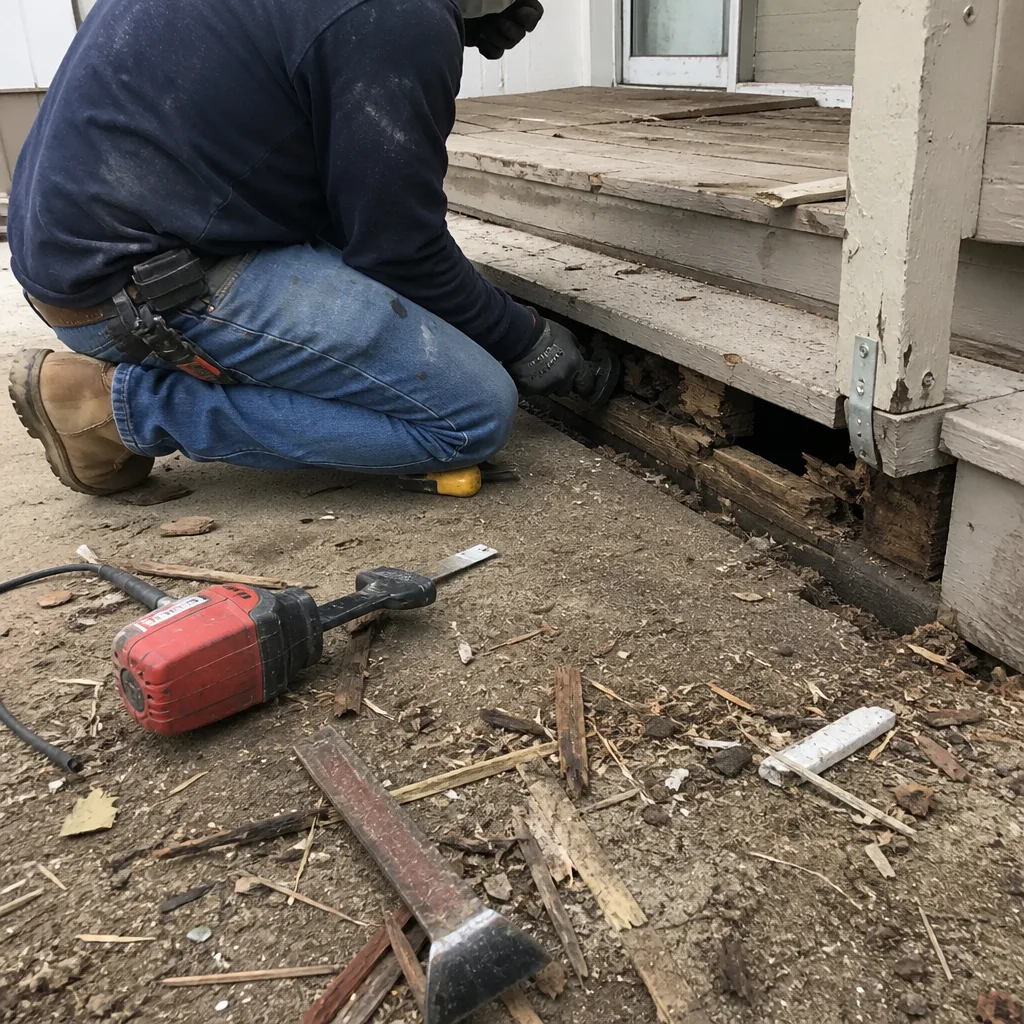 Before
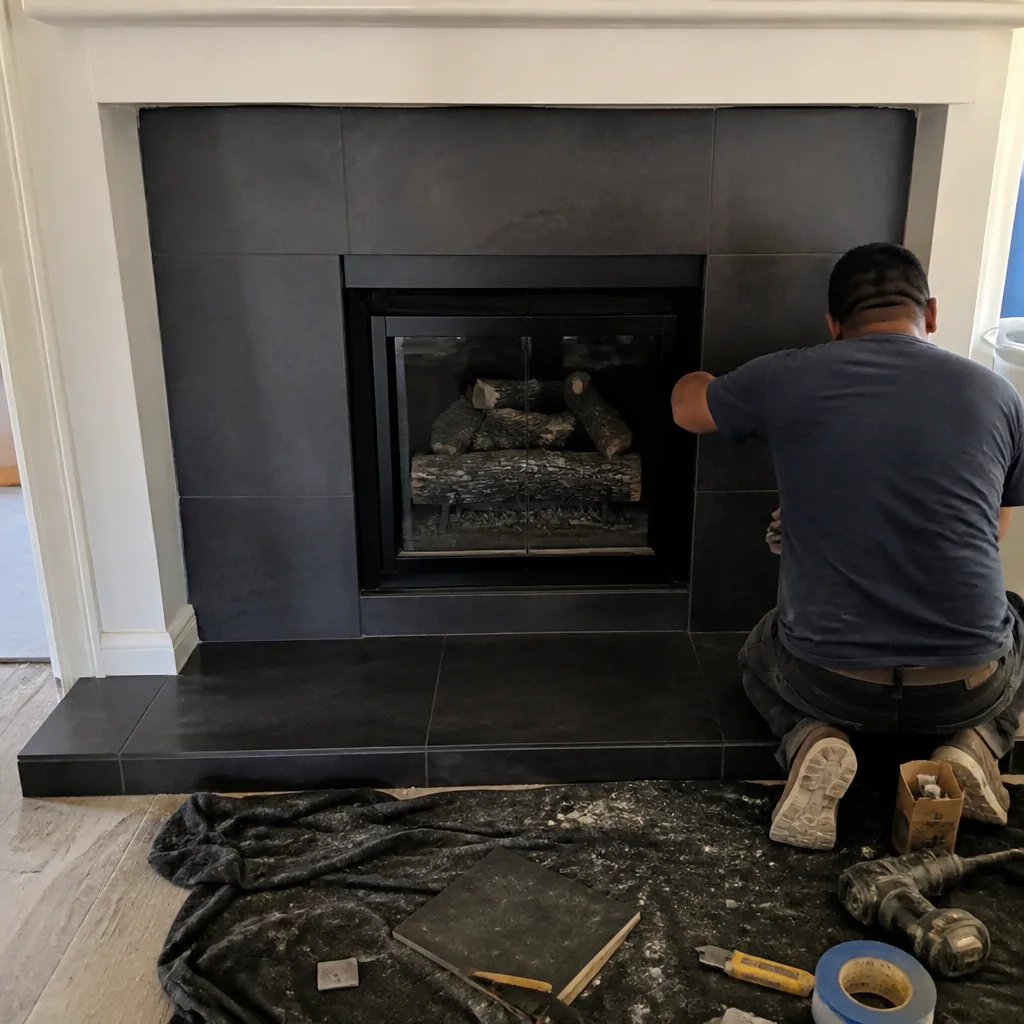 After
After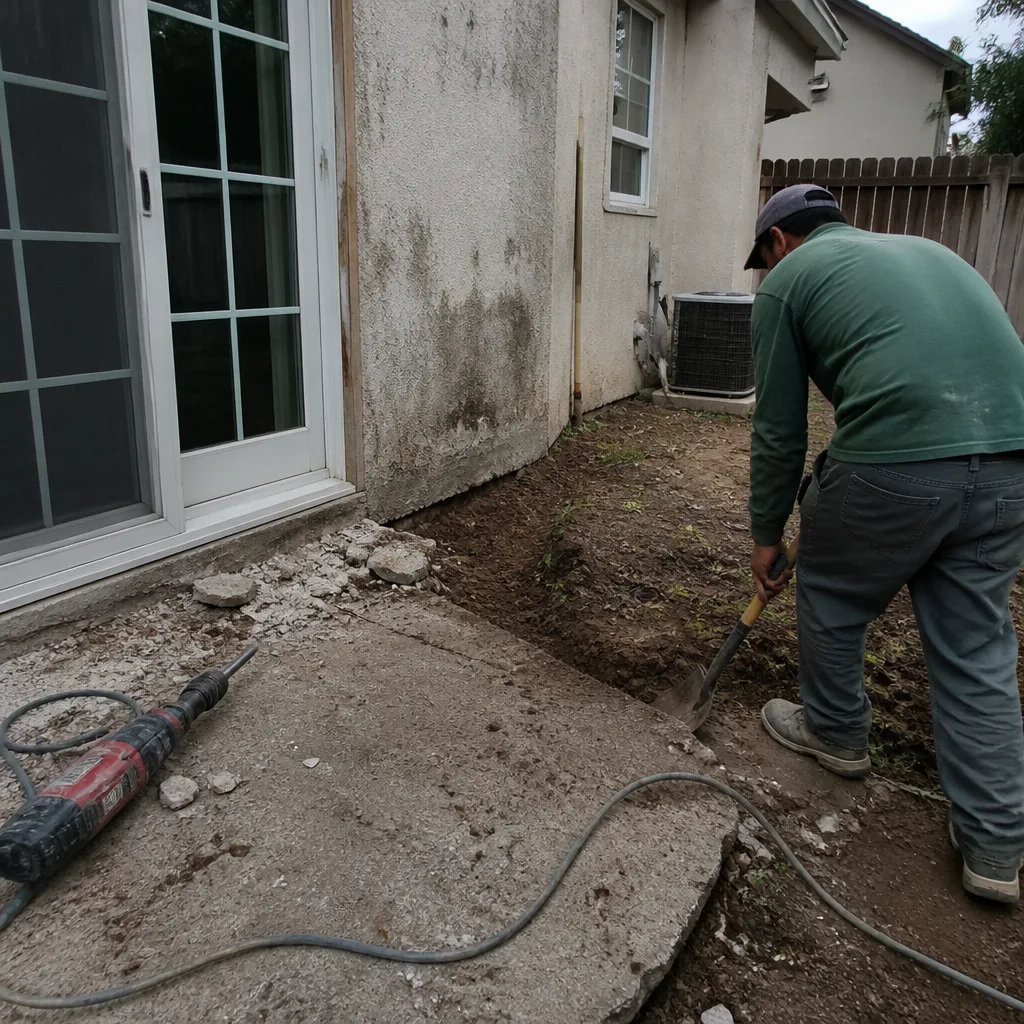 Before
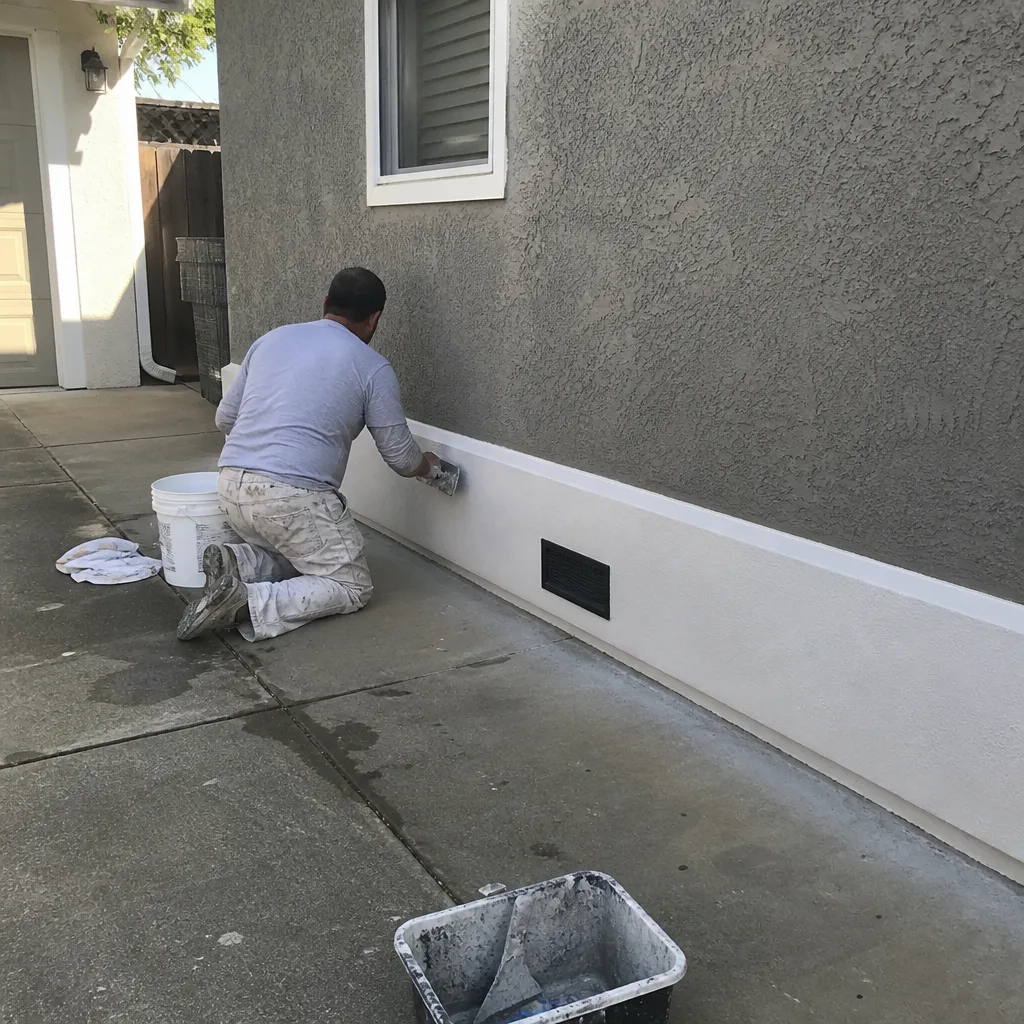 After
After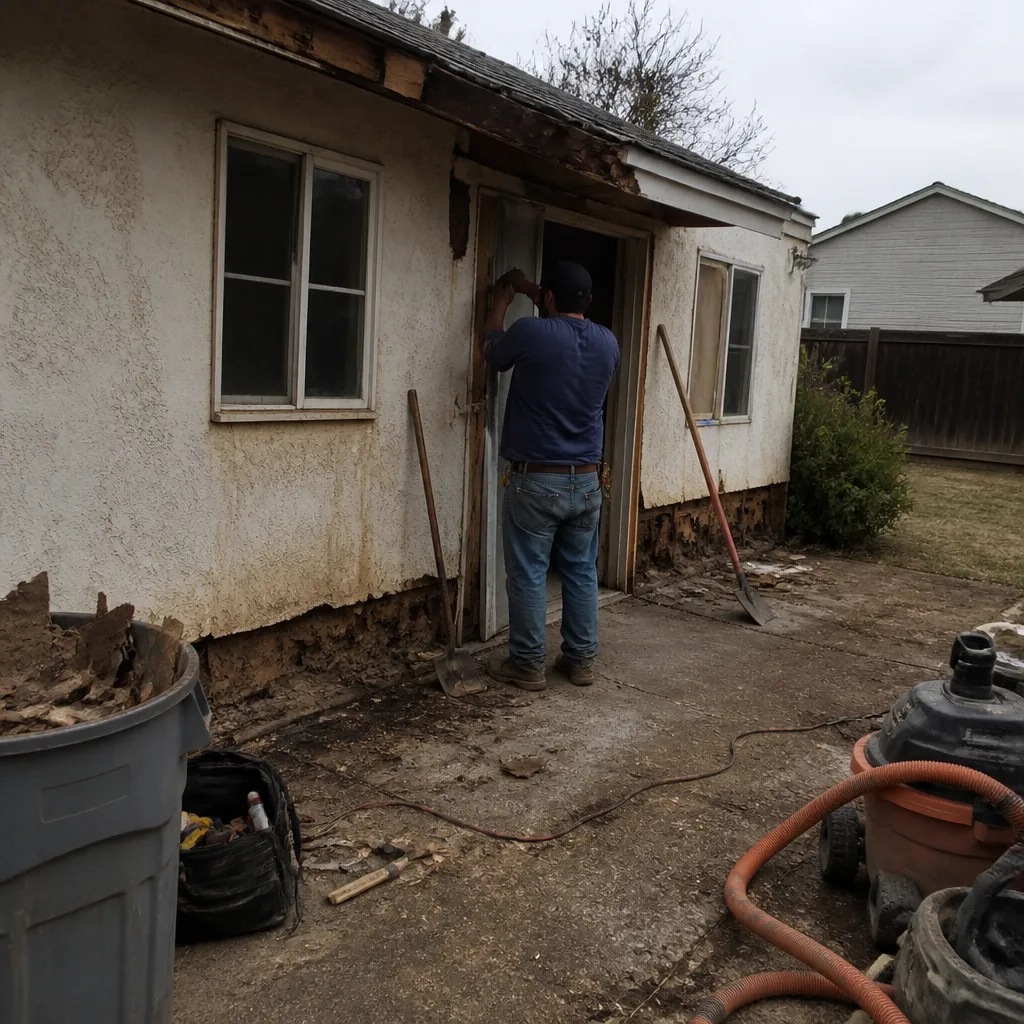 Before
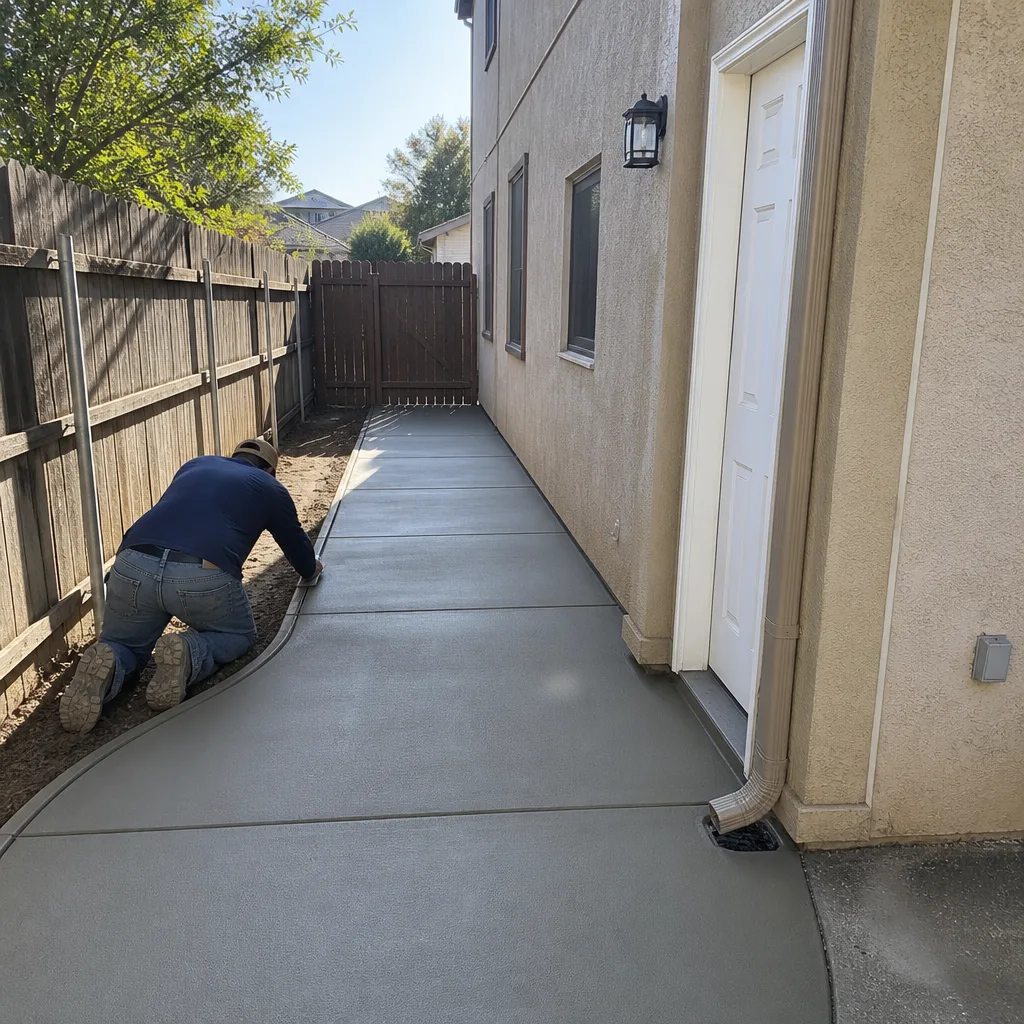 After
AfterWhen to Call a Professional
Some maintenance tasks are worth doing yourself. Others are worth paying for because the cost of a mistake is far higher than the cost of a professional. Call a licensed contractor when you see water stains on ceilings that recur after painting, when concrete cracks are widening season after season, when exterior caulk has failed in enough places that the work is more than a weekend project, or when you suspect the issue is behind what you can see: inside walls, under slabs, above ceilings. If you’re not sure whether a repair is routine or structural, Penhallow Remodeling Sacramento offers free estimates in Sacramento. Call (279) 300-1177 and we’ll send someone to look, explain what you’re dealing with, and put the number in writing before any work starts. No verbal ballparks. No change orders after demo day. Just a written price and a written 365-day guarantee.
Frequently Asked Questions

The most important seasonal task in Sacramento is exterior sealing during the fall window, from late September through mid-October, because that short stretch is when caulk and sealants cure correctly and before the rain arrives to test them. In our experience, properly maintained exterior joints prevent more Sacramento water damage than any other single maintenance habit. Call (279) 300-1177 if you’d rather have a pro handle the whole perimeter while the weather’s still cooperating.
You should inspect your Sacramento home four times a year: once in late spring after the rains stop, once in late summer before the heat peaks, once in late September before the rain returns, and once within 48 hours after any significant storm during the wet season. Each inspection has a different focus, from drainage in March to attic heat in July. Most homeowners can handle visual checks themselves; the value of a professional inspection is knowing what you’re looking at, which is why we always explain what we find, not just what we intend to fix.
Sacramento’s damage profile is real but subtler than coastal or mountain climates: the dry heat degrades materials slowly over months, and the wet season exploits that degradation all at once. A home that looks fine in October can show multiple leaks by December because the damage was already done during the summer. The homeowners who think seasonal care is overblown are typically the ones calling us in January. A free estimate call to (279) 300-1177 is the cheapest way to find out where your home actually stands.
Combining seasonal repairs with a remodel makes sense when the repair touches the same walls, ceiling, or systems the remodel will affect, because you avoid paying to open things up twice. If a bathroom remodel is planned and there’s a recurring leak at an exterior wall, fixing the source during the remodel is dramatically cheaper than fixing it as two separate projects. Our approach at Penhallow Remodeling Sacramento is to include exterior seam and flashing work in the same written price whenever the remodel scope touches an exterior wall or roof intersection, so the number you sign is the number you pay and there are no separate change orders.
Sacramento’s hot summers damage structures through thermal expansion and moisture loss: framing lumber shrinks, which loosens nail connections and causes door and window frames to shift, while unventilated attics accelerate shingle deterioration from below and drive heat into living spaces. The attic is where the damage is most preventable: a properly vented attic protects the roof, the insulation, and the HVAC system at once. This is one of the first things we check on any whole-home remodel consultation.
Within 48 hours of a major Sacramento storm, inspect your ceilings, windowsills, gutters, concrete, and attic for the new signs of water movement described in the post-rain inspection list above. The five-item checklist takes most homeowners under an hour, and it consistently catches problems months before they’re visible as mold or rot. If you find something that worries you, take photos and call (279) 300-1177; describing what you’re seeing is often enough for us to tell you whether it’s urgent or routine.
The Bottom Line
Sacramento rewards homeowners who maintain on the city’s actual calendar: seal and inspect exteriors in late September through October, prep for heat in late spring, protect against atmospheric rivers during the winter, and inspect after every significant storm within 48 hours. The dry season creates the damage; the wet season reveals it; the transitions are when you fix it. Spend the right weekend at the right time, keep water and heat out of places they don’t belong, and your home’s biggest expenses stay hypothetical. Ignore the rhythms and the house eventually hands you a bill. When the job’s beyond a weekend, call (279) 300-1177 for a free estimate. Written price, real arrival window, 365-day promise to make it right. Always in writing, always before work starts.
Written by Trevor Nash, Owner at Penhallow Remodeling Sacramento, serving Sacramento since 2004.