Last updated October 15, 2026







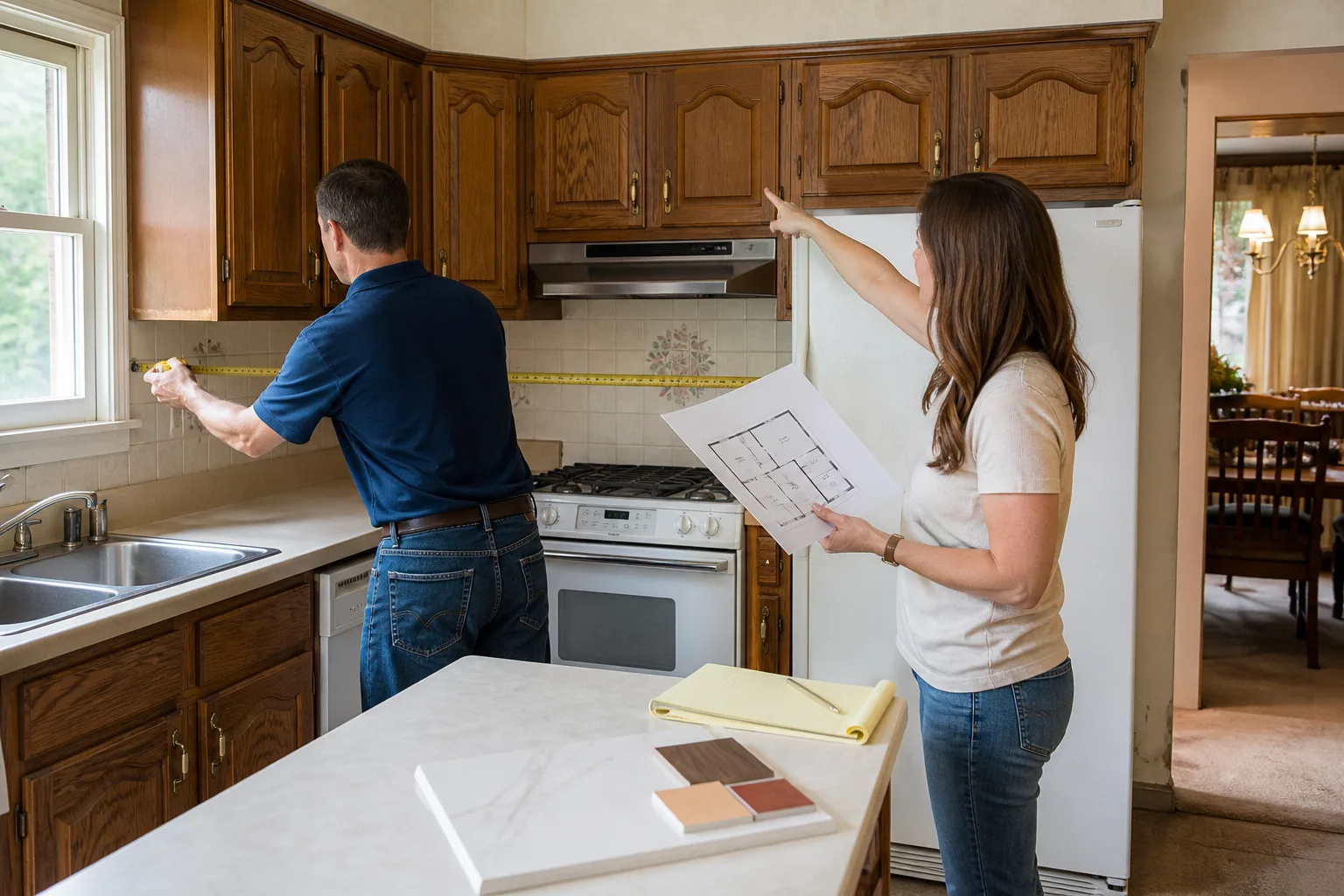
Free written scope consultation - allowances, timeline, and change-order rules on paper before a single trade is scheduled
Construction Warning Signs: A Sacramento Homeowner’s Reference Guide
Sacramento sits in a strange weather pocket. We get the Delta breeze most summers, then a week of 105-degree heat that makes stucco pop and caulk crack. We get atmospheric rivers in winter, and every few years, hail or a wind event rolls through that leaves entire neighborhoods in Natomas, Elk Grove, and Carmichael with roof damage. Within 72 hours of that storm, trucks with out-of-state plates start parking on those streets. Door knockers fan out with clipboards and ladders. And some of those people have never pulled a Sacramento building permit in their lives. This guide is built from what we’ve seen in Sacramento’s contractor complaint records, what the Contractors State License Board flags every year, and the specific patterns that repeat across this market. For more on hiring a construction contractor in Sacramento, see our step-by-step guide. You’ll learn how to separate a legitimate Sacramento contractor from a storm chaser, what a suspiciously low bid actually means, and the verification steps most homeowners skip entirely.
Quick Answer
The biggest construction warning signs in Sacramento are: a contractor who solicits door-to-door after a storm, a bid that comes in dramatically below every other bid, a refusal to put scope and price in writing before work starts, and a license number that doesn’t match the person standing at your door. Any one of these is enough to pause a project. Two or more, and you should walk away entirely.
Styles & brands we work with
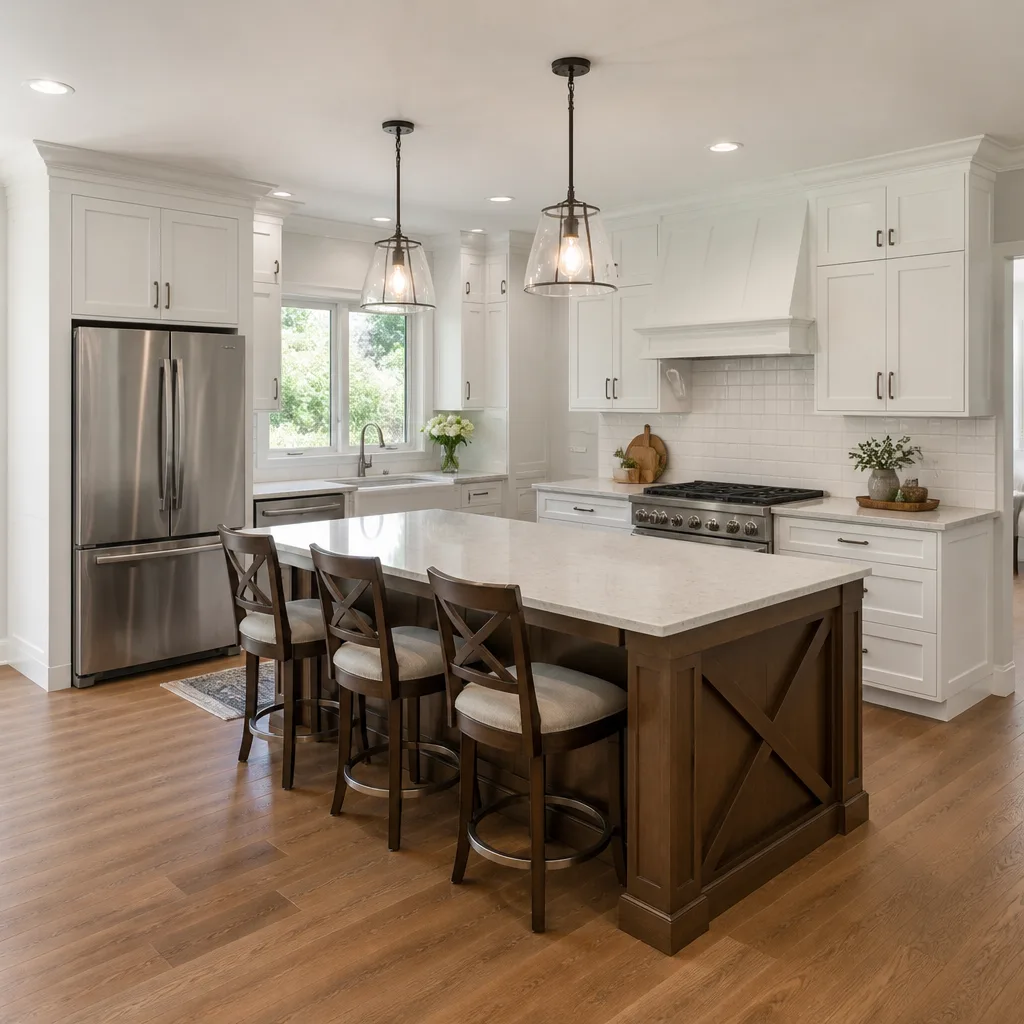
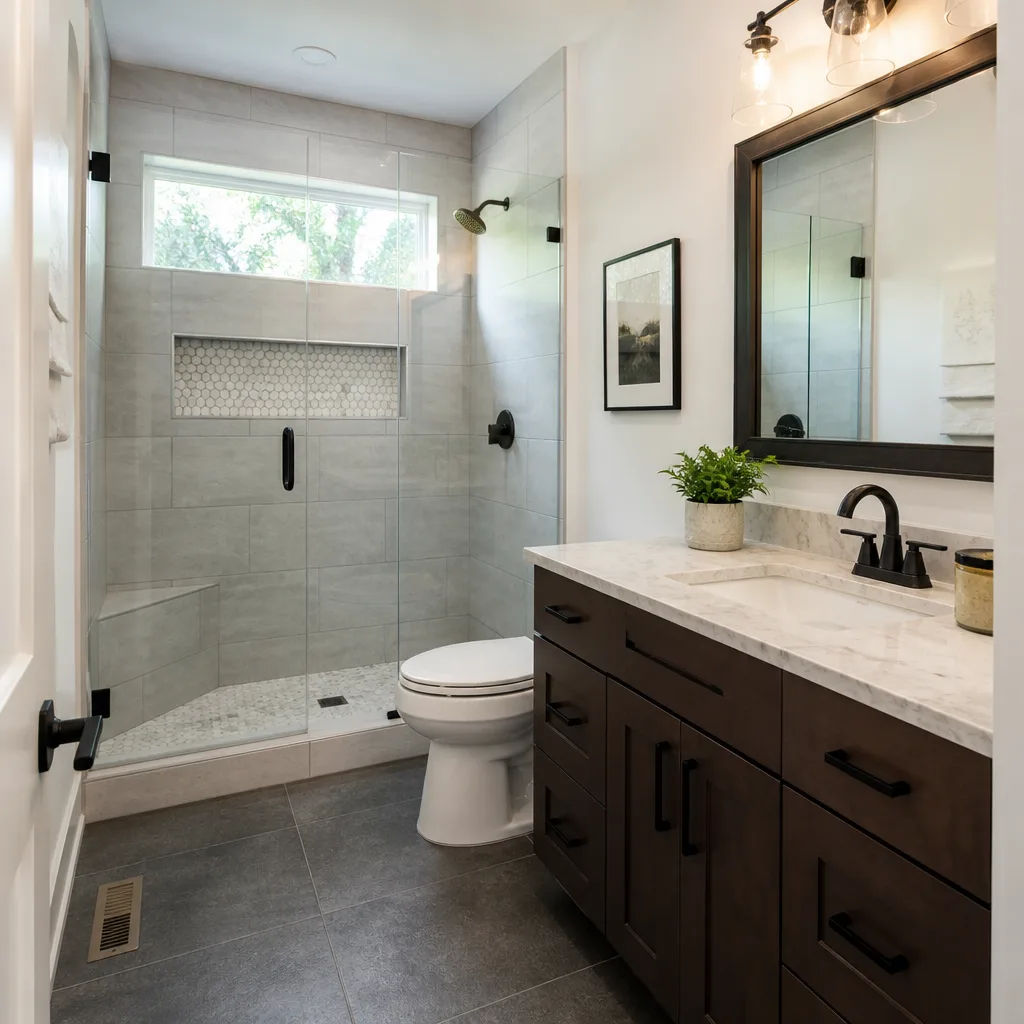

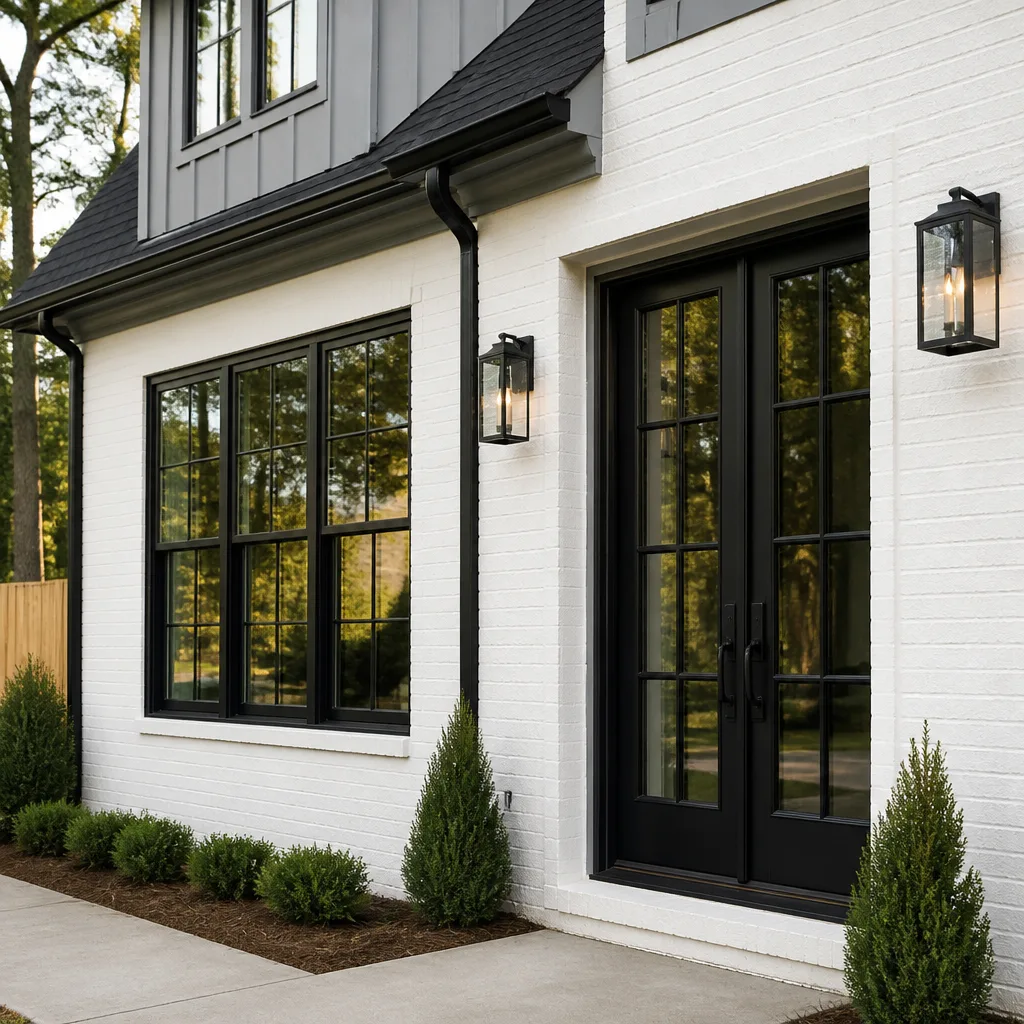
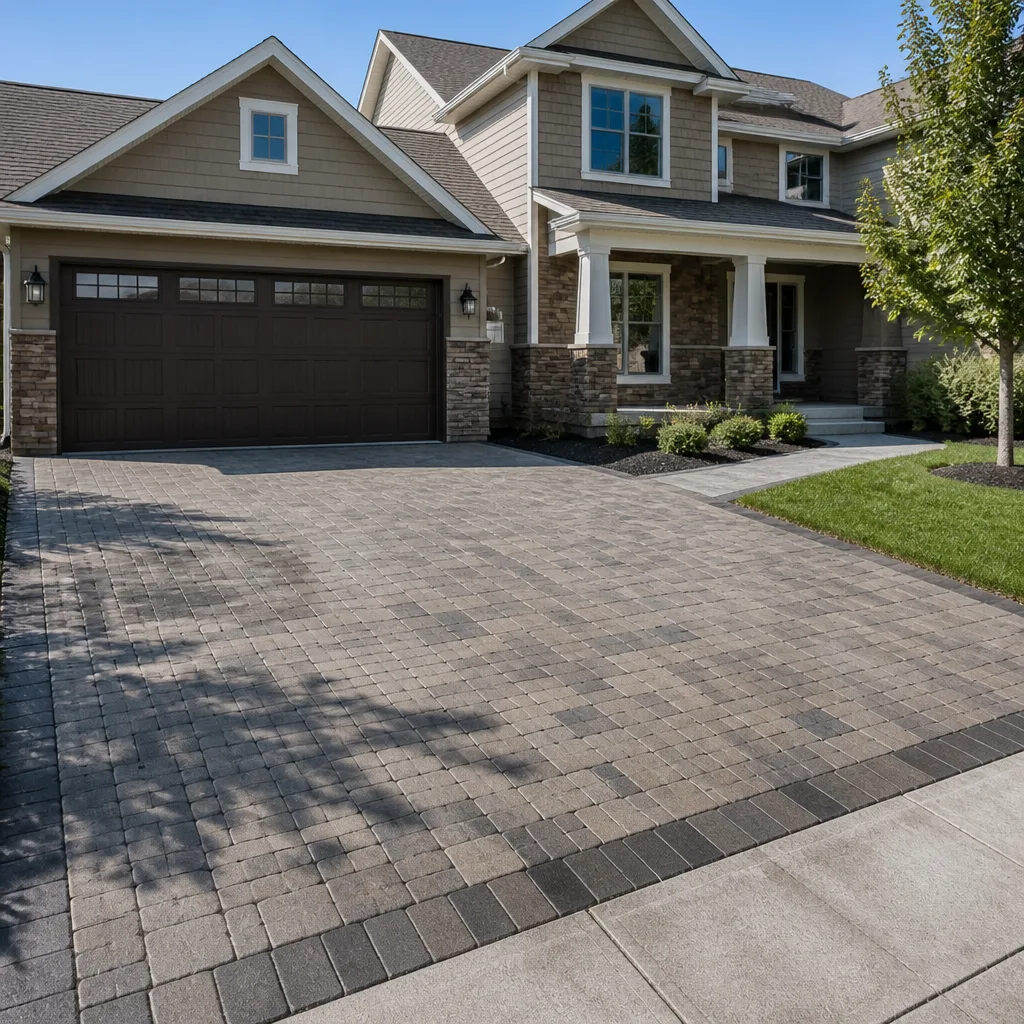

Table of Contents
- The Post-Storm Solicitation Pattern That Hits Sacramento Hardest
- What a Suspiciously Low Sacramento Bid Actually Signals
- Communication Warning Signs That Predict Future Problems
- How to Spot an Unlicensed Contractor Using a Licensed Contractor’s Information
- What “We’ll Figure Out the Final Price Once We Open the Walls” Means in California
- Sacramento-Specific Red Flags: Climate, Code, and Market Pressures
- How to Verify a Sacramento Contractor in 10 Minutes
- The Due Diligence Sequence: What to Do Before You Sign Anything
The Post-Storm Solicitation Pattern That Hits Sacramento Hardest
Here’s how the pattern works. A storm passes through Sacramento. It doesn’t have to be catastrophic, just enough to rattle fences, tear shingles, or leave visible damage. Within a day or two, unlicensed and out-of-area contractors appear in the hardest-hit neighborhoods. They don’t run ads. They don’t have a Sacramento office. They knock on doors. Sacramento’s position along Interstate 5 makes the city a natural stop on a circuit that runs from Redding down through Stockton and the Central Valley after severe weather events. The crews move with the storms.
The pitch is almost always the same. “We’re already working on a house up the street, and we noticed your roof.” Or, “We’ve got materials left over from another job in the neighborhood and can give you a deal.” The urgency is manufactured. The price sounds good. And the contract, if there is one, often names an address that does not exist in Sacramento.
Three questions separate a legitimate local contractor from a storm chaser:
- Can I see your physical Sacramento business address? A legitimate local company has one. A storm chaser often uses a P.O. box, a hotel, or no address at all.
- What’s your California contractor license number, and does the name on it match the person at my door? Write it down. You’ll verify it in the next step.
- Will you put the scope, timeline, and price in writing before I pay anything? A storm chaser commonly wants a deposit that day, in cash or by payment app, before any written agreement exists.
We’ve had Sacramento homeowners tell us a crew started tearing off shingles the same afternoon they knocked. By the time the homeowner realized the crew wasn’t licensed and the work wasn’t permitted, the roof was already open and the crew was gone. That’s the model: create enough damage and leverage that the homeowner can’t say no to the follow-up price. In Sacramento, where the building department actually checks for permits on visible exterior work, an unpermitted roof replacement can create a problem when you try to sell the house later.
What a Suspiciously Low Sacramento Bid Actually Signals
Every homeowner wants a fair price. But when one Sacramento bid comes in 30%, 40%, or 50% below the others, something specific is usually happening. Contractors don’t lose money on purpose. A low bidder typically recovers margin in one of three ways once the job is already underway.
Material substitution. The quote says “quartz countertop” but doesn’t name the manufacturer. Cambria, Silestone, and Caesarstone all make quartz, but they’re not interchangeable in price or quality. The low bidder plans to use an off-brand slab, a thinner gauge, or a lower-tier cabinet line. Same word on paper, very different product on the wall. In Sacramento’s tight housing market, a kitchen with unbranded cabinets and a builder-grade countertop sells for less than one with KraftMaid cabinets and a Cambria top.
Change-order farming. The initial bid is deliberately low to win the job. The contractor knows, from experience, exactly what will be “discovered” once demolition starts. Old wiring. Rotten subfloor. A drain that’s not where the plans said it was. Each discovery becomes a change order with new pricing. The final invoice often lands higher than the honest bid would have been in the first place. In older Sacramento neighborhoods like Curtis Park, Land Park, and East Sacramento, where homes date to the 1920s and 1930s, change orders can multiply quickly if the original scope wasn’t detailed.
Cut-rate subcontractor labor. The low bidder subs the work out to a crew paid by the job rather than the hour. Speed becomes the goal. Corners get cut. Rough electrical work hides behind drywall. Tile lippage shows up after the check clears. The crew disappears, and the contractor’s phone stops getting answered.
The fix is simple: every line item in a Sacramento remodeling bid should name the exact product being installed. Not “tile backsplash,” but “4×4 handmade-look ceramic tile in matte white, installed with cement board substrate (the moisture-resistant layer behind your tile), grouted and sealed.” Not “new faucet,” but “Moen Adler kitchen faucet in spot-resist stainless.” If a bid won’t name products, assume the lowest-tier version of that product.
Communication Warning Signs That Predict Future Problems
How a contractor communicates before the job starts is a preview of how they’ll communicate during the job. Most Sacramento homeowners who end up in disputes with contractors can point back to early warning signs they ignored because the price was right.
Here’s what we tell people to watch for:
- Slow responses to written questions. You send an email asking for clarification on the scope. A week passes. A good contractor answers written questions in writing, because they know those answers become part of the record. Someone who will only talk on the phone is avoiding creating a paper trail.
- Reluctance to put scope in writing. “We’ll work it out as we go” is not a plan. It’s an opening to redefine what was agreed. The Kingswell standard we operate under is simple: the price and the scope go in writing before the work starts. Say the price before the work. That sentence alone eliminates most contractor disputes before they begin.
- Vague arrival windows. “We’ll be there sometime next week” is a red flag. A legitimate contractor runs a schedule and can give you a defined window. Our crews work on defined arrival windows, not open-ended guesses. If a contractor can’t commit to a window before the job starts, what happens when they’re two weeks into your kitchen remodel and the countertop template isn’t done?
- Pressure to decide immediately. A real contractor doesn’t need an answer today. The price that’s good today will still be good Friday. Anyone pushing for a same-day signature and deposit is creating false urgency because the deal doesn’t survive scrutiny.
- Changes in crew without notice. You met the owner. Then a totally different crew shows up and no one mentioned it. Ask who will be in your home. Every technician we send to a Sacramento home is background-checked and uniformed, and the homeowner knows who’s coming before we arrive. That standard should be the baseline, not the exception.
None of these signals is a dealbreaker on its own. Three of them together, and we’d tell you to keep looking, in Sacramento or anywhere else.
How to Spot an Unlicensed Contractor Using a Licensed Contractor’s Information
This is the scam that catches people who think they’re being careful. They ask for a license number. The contractor gives them one. It checks out on the CSLB website. What could go wrong?
What could go wrong is that the license belongs to someone else. Unlicensed operators in California sometimes rent or borrow a real license number from a licensed contractor, often for a fee per job or a percentage of the contract. The homeowner checks the number, sees an active license, and signs. The person doing the work has no CSLB bond, no workers’ compensation policy, and no accountability.
The verification step most Sacramento homeowners skip is checking that the name on the license matches the person and company name on the contract. The CSLB website shows the business name, the responsible managing officer’s name, the license classification, and the bond status. Every one of those fields matters.
Here’s the 10-minute verification we recommend, step by step:
- Go to the Contractors State License Board website and click “Check a License.”
- Enter the license number. Confirm it’s active and that the classification matches the work being quoted. A C-54 tile contractor should not be quoting a full kitchen remodel.
- Look at the business name on the license. Is it the same name on your contract? Same spelling, same entity?
- Look at the “Responsible Managing Officer” or “RMO” field. That person is legally responsible for the license. Ask the person at your door if they are that person. If they’re not, ask who they work for and verify that connection in writing.
- Check the bond and workers’ comp status. If a worker gets injured on your Sacramento property and the contractor has no workers’ comp, you may be legally exposed.
- Call the phone number listed on the CSLB record, not the number the contractor gave you. If it doesn’t match, ask why.
This sequence takes ten minutes and eliminates most license fraud. We’ve seen fake license numbers, borrowed license numbers, and license numbers from contractors in other states. The CSLB site is free and takes less time than reading this section.
What “We’ll Figure Out the Final Price Once We Open the Walls” Means in California
In California contract law, that sentence is a blank check. If a contractor tells you they can’t know the final price until demolition reveals what’s behind the walls, and your contract does not define how those discoveries will be priced, you have effectively agreed to whatever number comes next. That stops being a contract and becomes an open tab.
Here’s the honest version: yes, some unknowns are unavoidable. A 1950s Sacramento ranch in Arden Arcade may have wiring that predates current code. A Land Park bungalow may have original plumbing that was never updated. Good contractors acknowledge those unknowns in the contract itself, with a defined process for how they will be handled.
A legitimate Sacramento remodeling contract should include:
- A defined scope with named products. Every cabinet line, countertop manufacturer, fixture brand, and finish specified. We install KraftMaid and Wellborn cabinetry, Cambria, Silestone and Caesarstone countertops, Kohler, Moen and Delta fixtures. The contract names what’s going in your home.
- A written process for change orders. If a hidden condition is discovered, the change is documented in writing, priced in writing, and approved by you before the additional work begins. No surprises on the final invoice.
- A defined payment schedule. California law limits the deposit a contractor can collect. The schedule should be tied to completed milestones, not arbitrary calendar dates.
- A written guarantee. What’s covered, for how long, and what happens if something fails. The 365-Day Done Right Promise we put on every project says: if it’s not done right, we make it right. Free return visit if a repair fails. In writing, every time.
Anyone who won’t put these terms in writing before work starts is telling you, in the clearest terms available, that they don’t want to be held to them. In California, oral contracts over $500 are not enforceable the way written contracts are. The law is on your side, but only if you insist on paper.
Sacramento-Specific Red Flags: Climate, Code, and Market Pressures
Some contractor red flags are universal. Some are specific to Sacramento’s climate, code requirements, and housing stock, and visitors from other markets often miss them.
Foundation and drainage work quoted without considering our clay soil. Sacramento sits on expansive clay soil that swells when wet and contracts when dry. Summer heat dries the soil out, foundations shift, and cracks appear. A contractor quoting foundation work who doesn’t mention soil conditions, drainage, or gutters is not solving the underlying problem. They’re selling a patch.
Exterior paint and siding quotes that ignore our summer heat. Sacramento sees sustained 100-plus degree days every summer. Cheaper paints chalk and fade faster here than on the coast. James Hardie fiber cement siding is spec’d so often in Sacramento because it handles heat and sun better than vinyl. A siding bid that doesn’t account for our specific climate is a bid from someone who doesn’t work here often.
Bathroom and kitchen remodels quoted without mention of permits. Sacramento requires permits for most plumbing, electrical, and structural work. Some contractors will tell you permits “aren’t really necessary” or “will just slow things down.” That’s the tell. Unpermitted work can surface during a home sale, insurance claim, or future remodel and cost more to fix than the permit would have cost originally. A general contractor who works in Sacramento daily knows the local permit process. We pull the permits. We handle the inspections. The work gets signed off, and you have the paperwork. See our General Contractor Maintenance Checklist for Sacramento Homeowners for more on what proper oversight looks like. Anyone suggesting otherwise is cutting a corner that becomes your liability.
Roofing quotes from out-of-town companies after storm events. We covered the storm chaser pattern earlier, but it bears repeating because it’s the most common complaint in Sacramento’s post-storm contractor records. A local roofing company has a local reputation to protect. A crew working off I-5 does not.
How to Verify a Sacramento Contractor in 10 Minutes
You’ve heard the patterns. Here is the concrete sequence. Set aside ten minutes before you sign anything.
Step 1: Check the CSLB license. Go to the Contractors State License Board website. Enter the number. Confirm the license is active, the classification matches the work, the business name matches your contract, and the bond is in place. This is the single highest-value check you can do. Most complaints the CSLB receives involve unlicensed contractors or borrowed license numbers that a ten-minute check would have caught.
Step 2: Check the local records. Search the Sacramento County court records for the contractor’s business name. A history of mechanic’s liens, breach of contract suits, or small claims cases tells you what to expect. One dispute in ten years is normal. Three in two years is a pattern.
Step 3: Ask for references in your area. A contractor who has worked in Sacramento for years can give you references within 20 minutes of your house. Ask those references specifically: did the price change from the original quote? Did the crew show up when promised? Would you hire them again?
Step 4: Confirm the address and phone number. Does the contractor have a physical Sacramento-area address, not a P.O. box? Does the phone number on the CSLB record match the one on the business card? A live person should answer. We maintain live phone coverage 24/7, not an answering service, because a homeowner halfway through a remodel deserves a real answer when they call. That standard should apply to every contractor you consider.
Step 5: Get the warranty in writing. Before work begins, you should have a written guarantee that names exactly what’s covered and for how long. If the contractor won’t put the warranty in writing, the warranty doesn’t exist. Our 365-Day Done Right Promise covers every project, and we give it to you on paper with the signed contract. Not as a verbal assurance, as a written commitment.
The Due Diligence Sequence: What to Do Before You Sign Anything
If the verification sequence answers the question “who am I dealing with,” this sequence answers “what am I actually agreeing to.” Run through it in order before you sign a Sacramento remodeling contract.
- Get three written bids. Not two. Three. The purpose is not just to compare prices. It’s to force each bidder to name their products, define their scope, and commit to their numbers. The outlier bid, high or low, is usually the one with hidden problems.
- Compare line items, not just totals. One bid includes cabinet tear-out and disposal. Another doesn’t. One includes paint and trim. Another leaves it out. A lower total might simply be a smaller scope. Read every line.
- Look for named products. KraftMaid or “all-wood cabinets”? Cambria or “quartz”? Moen or “faucet”? The specificity of the bid tells you the specificity of the work.
- Confirm the process for changes. Every remodel has surprises. The contract should define, in writing, how surprises are priced and approved. No verbal change orders, ever.
- Verify permits will be pulled. Ask directly: “Who pulls the permits, and who is responsible for the inspections?” A legitimate general contractor answers immediately. We answer: we pull the permits, we schedule the inspections, and you get the sign-off paperwork.
- Review the guarantee before you sign. Not after. Not “we’ll include that later.” If the guarantee isn’t attached to the contract, it doesn’t exist.
When we remodel a kitchen or bathroom in Sacramento, the price, the scope, the arrival window, and the 365-Day Done Right Promise are all in writing before demolition starts. That’s how we work at Penhallow Remodeling Sacramento, and we’ve found it’s what Sacramento homeowners actually want after being burned by a verbal estimate that changed at the door.
Common Mistakes to Avoid
- Paying a large deposit before work starts. California limits contractor deposits. A demand for 50% upfront is a red flag and often a sign the contractor has cash flow problems. Your project should not be funding someone else’s last job.
- Skipping the CSLB license check because the contractor “seemed nice.” The nicest person at your door may be running a borrowed license. Ten minutes on the CSLB website costs nothing and eliminates the most common scam in Sacramento.
- Accepting a verbal change order. “We’ll add it to the final bill” is how a $25,000 remodel becomes a $38,000 remodel. Every change gets written, priced, and approved before the work is done.
- Hiring the lowest bid without comparing line items. A bid that’s 40% below the others isn’t a bargain. It’s a plan to recover margin through substitutions, change orders, or cut-rate labor. You’ll pay either way; one way you know the number in advance.
- Ignoring permit requirements because the contractor says they’re unnecessary. In Sacramento, unpermitted work becomes your problem at resale or during an insurance claim. The permit protects you, not the contractor.
- Not getting the warranty in writing. A verbal “we stand behind our work” is worth nothing. A written guarantee with a defined term and a defined remedy is enforceable. Insist on it.
- Letting a storm chaser start work without a contract. The most common post-storm horror story in Sacramento starts with “they just started tearing off the roof.” Never let anyone start work without a signed scope, price, and timeline.
See the difference
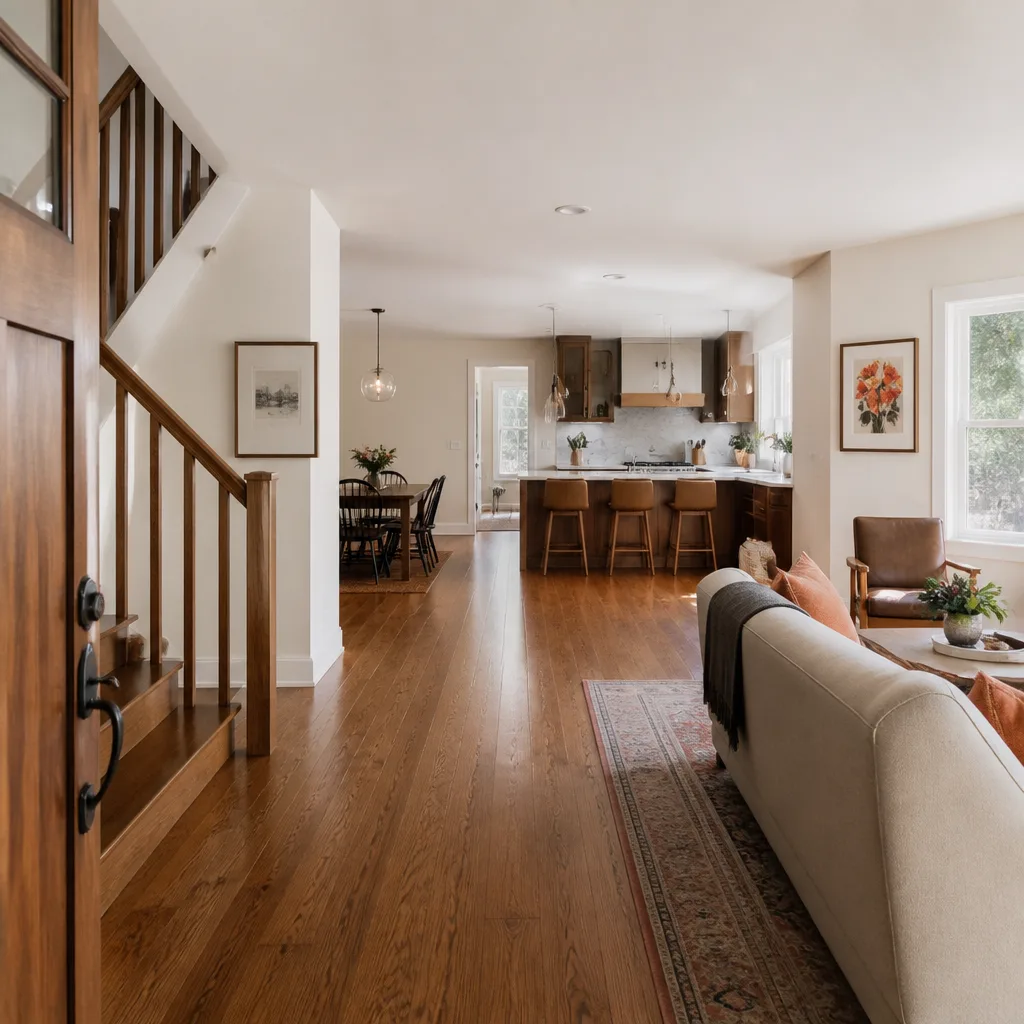
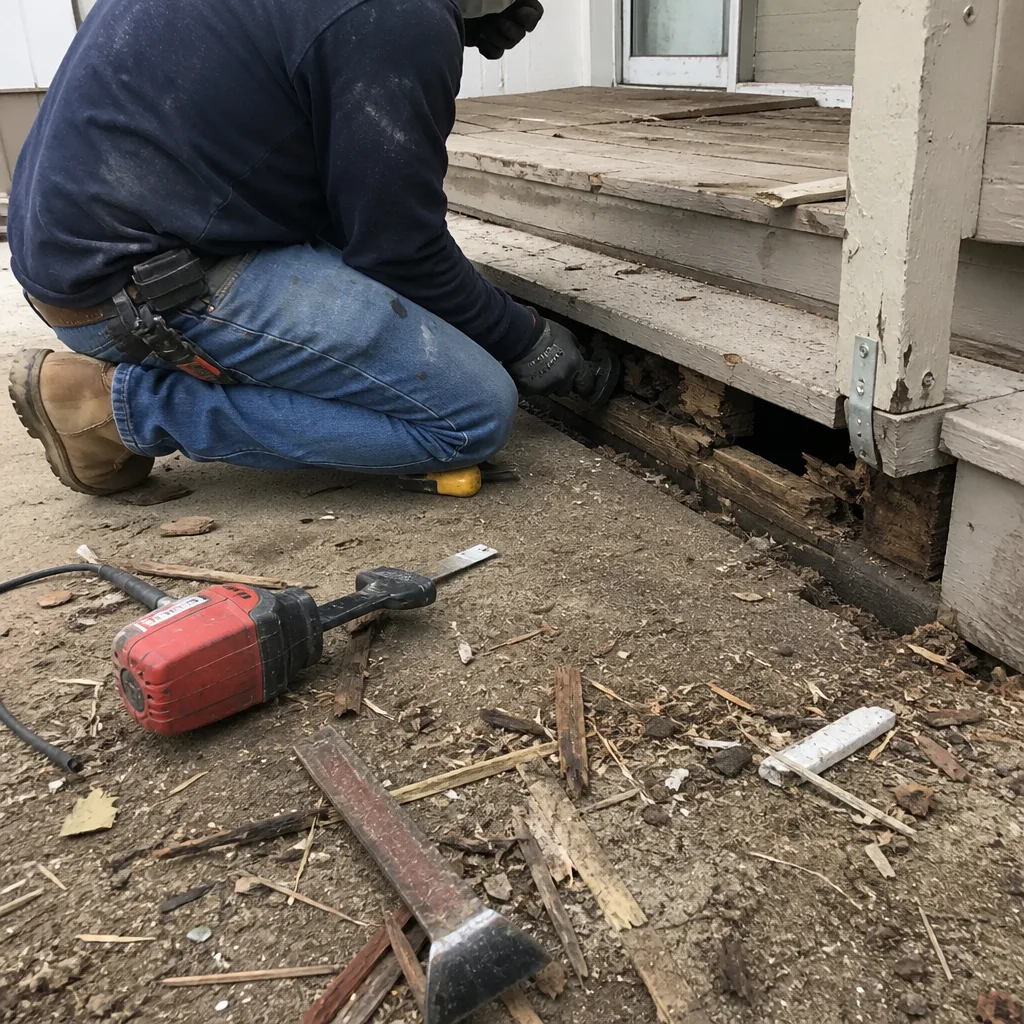 Before
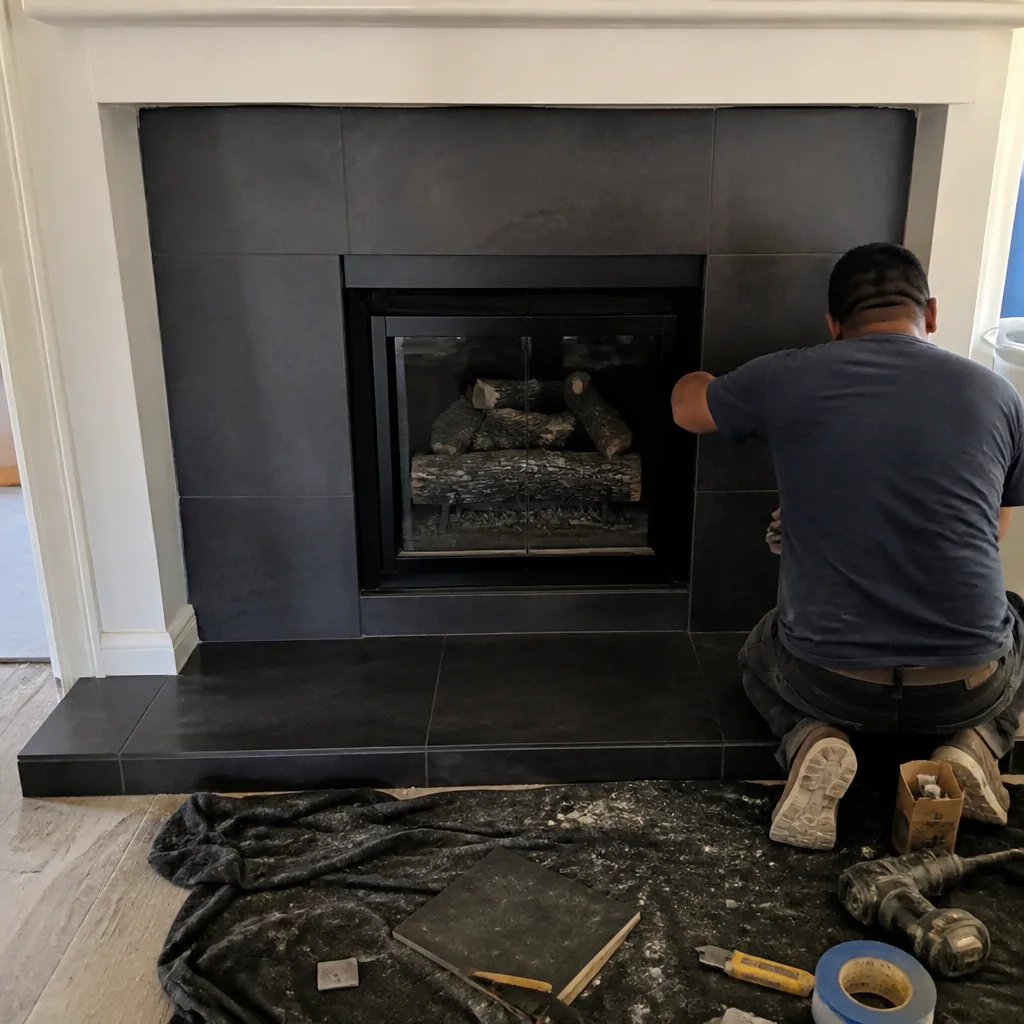 After
After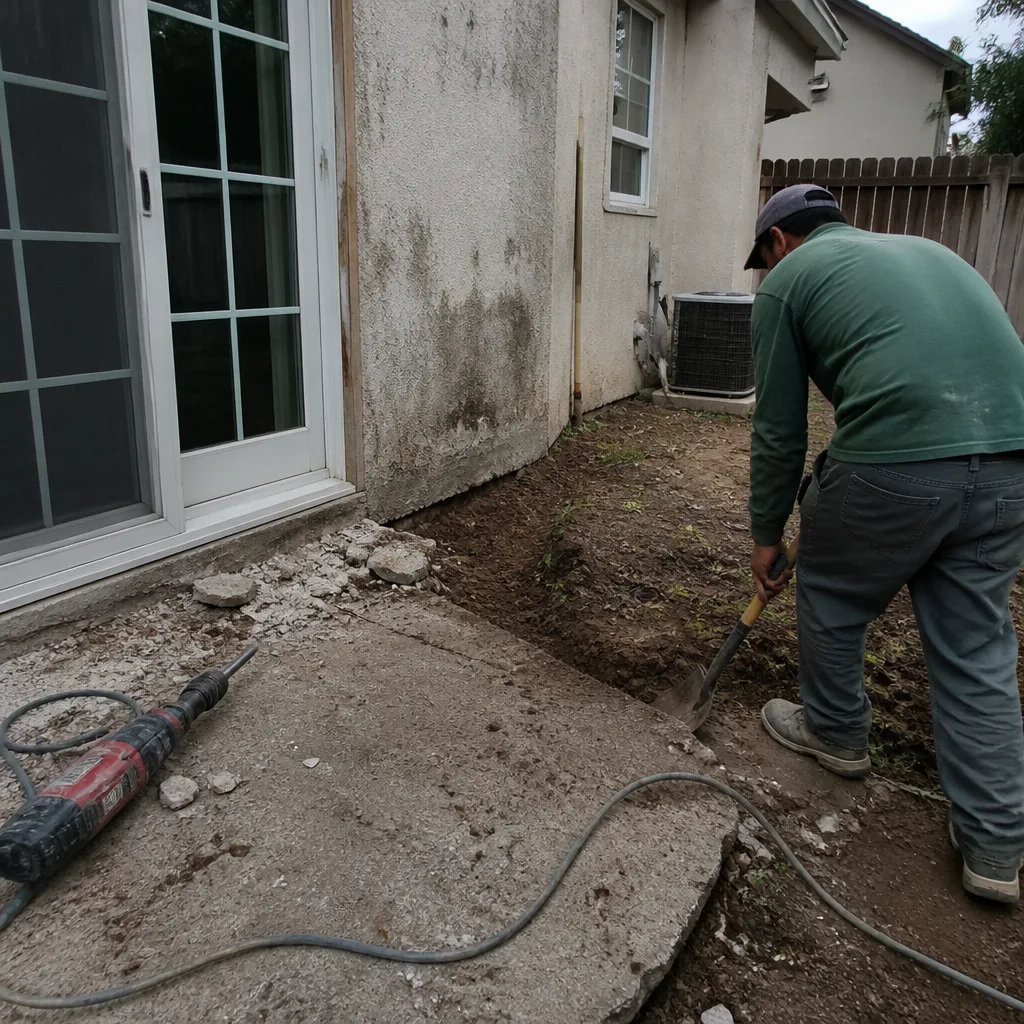 Before
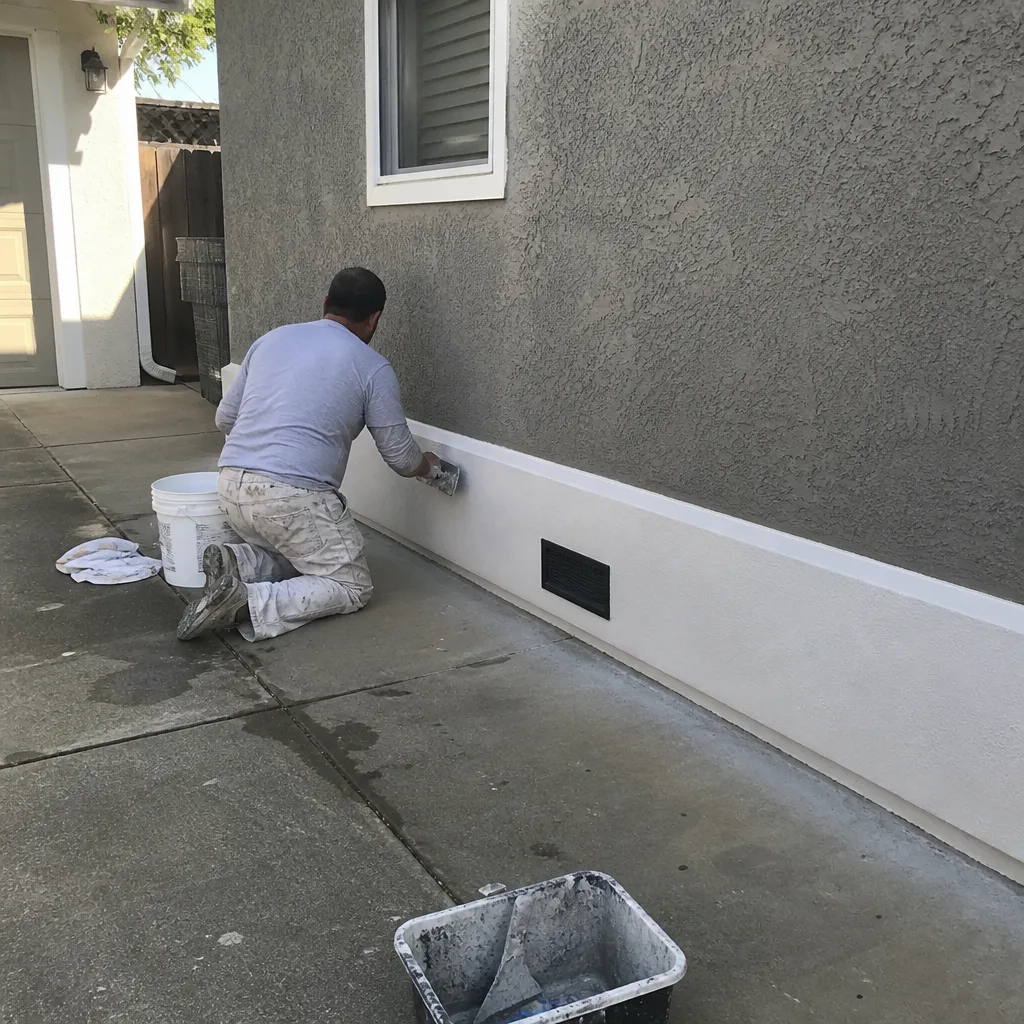 After
After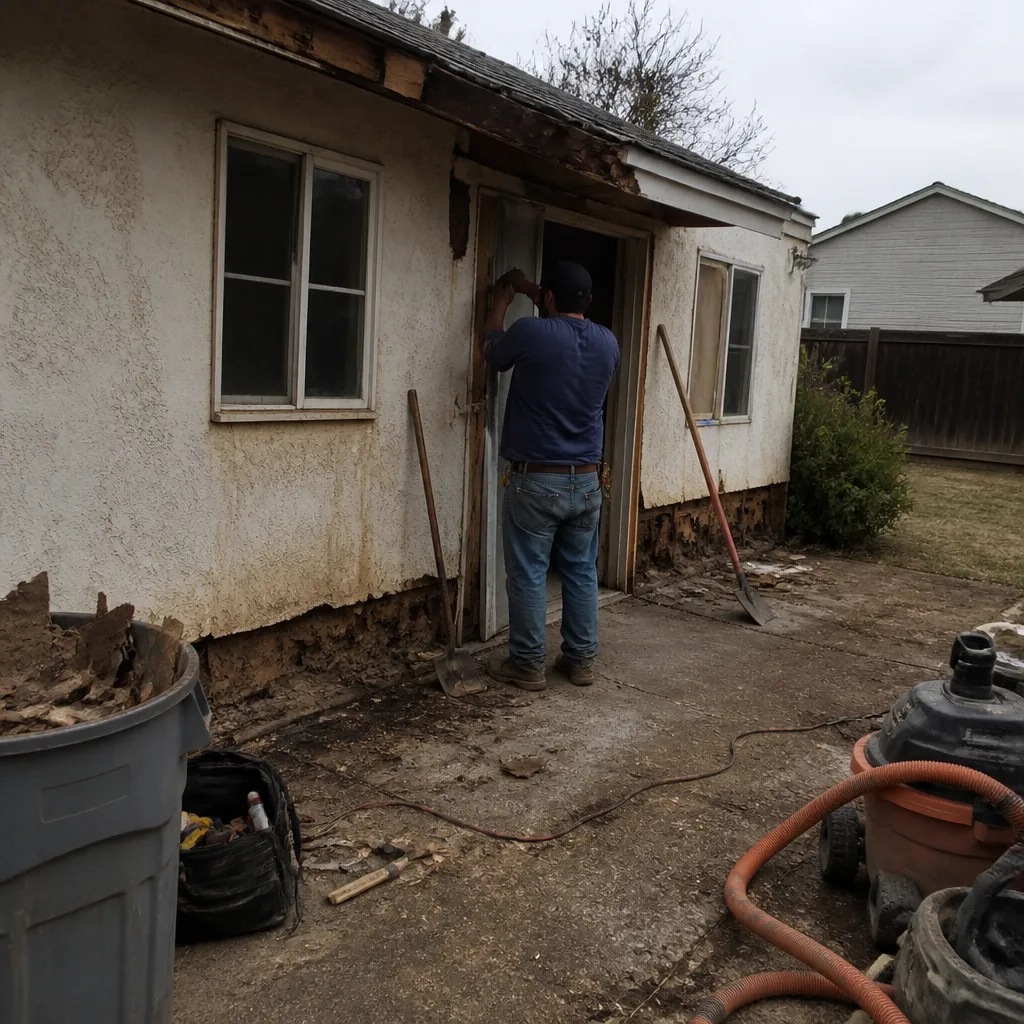 Before
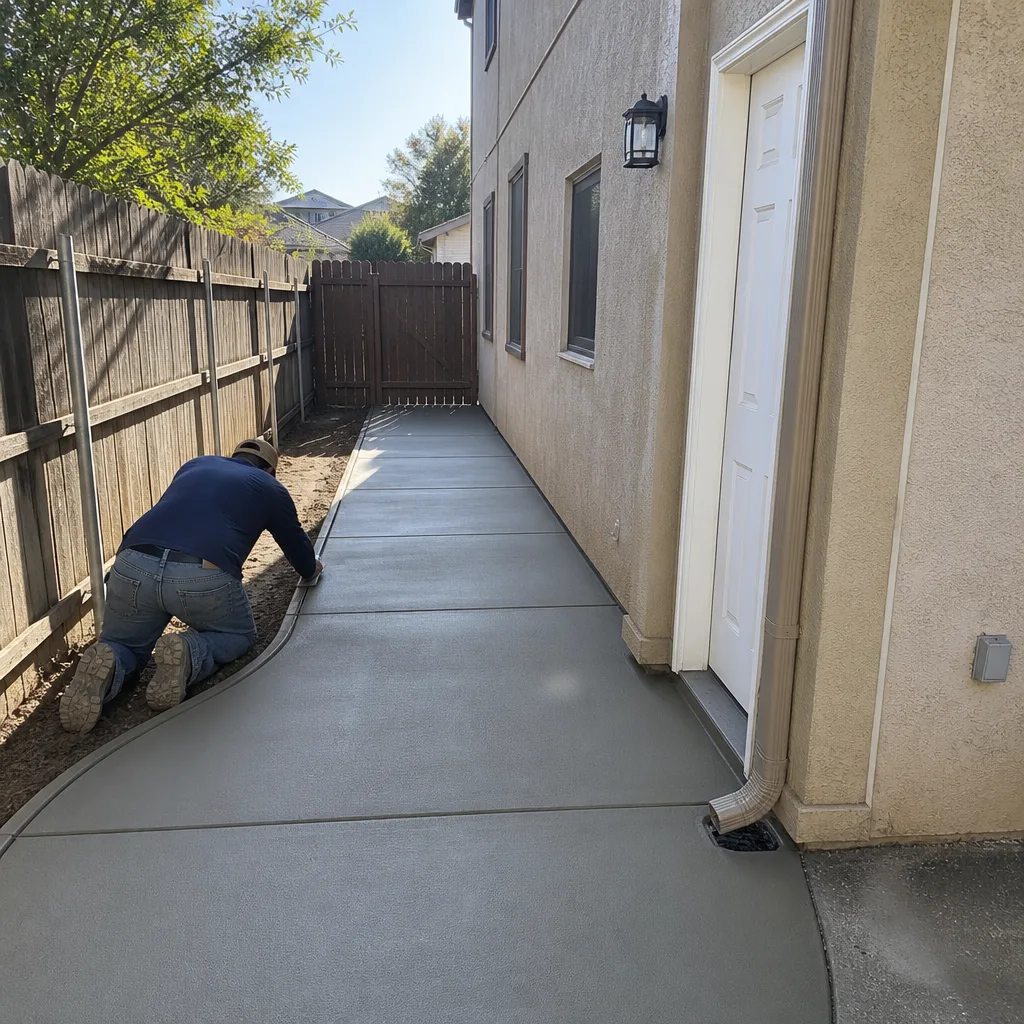 After
AfterWhen to Call a Professional
Some homeowner questions don’t need a contractor. A loose cabinet hinge, a dripping faucet, a small drywall patch, these are weekend projects if you’re handy. But when the work involves plumbing inside the walls, electrical wiring, load-bearing structure, waterproofing, or a permit from the city of Sacramento, that’s when you call a professional. The risk isn’t just the quality of the finish. It’s the water damage behind a poorly waterproofed shower, the fire risk in a botched wiring job, and the permit violation that surfaces when you sell. If you’re in Sacramento and you want an honest written estimate for a kitchen remodel, bathroom remodel, or whole-home remodel, Penhallow Remodeling Sacramento offers free estimates with a written price before any work starts. Call (279) 300-1177. As a General Contractor in Sacramento, we handle the full project, permits, products, and guarantee.
Frequently Asked Questions

Check the Contractors State License Board website. Enter the license number, confirm it’s active, verify the business name and responsible managing officer match your contract, and check the bond status. This takes about ten minutes and catches most license fraud.
A low bid usually means the contractor plans to recover margin through material substitutions, change orders once the walls are open, or cut-rate subcontract labor. The final price often exceeds the honest bids. Compare line items, not just totals, and look for named products in every bid. For help deciding who should do the work, read our DIY vs Professional Construction: The Sacramento Homeowner’s Decision Guide. For a kitchen remodel in Sacramento, expect a range of roughly $18,000 to $55,000 depending on layout, cabinet line, and countertop material. Call (279) 300-1177 for a written estimate for your specific project.
No. California limits the deposit a contractor can collect before work begins. A demand for 50% or more upfront is a red flag, and it often signals the contractor is using your money to pay for someone else’s project. A legitimate contractor ties payments to completed milestones and puts the schedule in writing.
Yes, for most plumbing, electrical, and structural work. Sacramento requires permits for the work involved in a typical kitchen or bathroom remodel. Unpermitted work can surface during a home sale, insurance claim, or future remodel. A contractor who suggests skipping permits is creating a liability that becomes yours. We pull the permits and handle the inspections on every project.
A written contract should include a defined scope with named products, a written process for change orders, a payment schedule tied to milestones, the permit responsibility, and a written guarantee with a defined term. If any of these elements are missing, the contract protects the contractor, not you. Our Kitchen Remodeling in Sacramento and Bathroom Remodeling in Sacramento contracts include all of these, plus a written 365-Day Done Right Promise.
Look for three things: a door knocker with no local Sacramento address, a license number that doesn’t match the person at your door, and a demand for a same-day deposit before any written contract exists. Legitimate local contractors don’t solicit this way. Verify the license on the CSLB website, check the business address, and never let anyone start work without a signed contract.
The Bottom Line
Sacramento’s contractor problems are predictable. Storm chasers work I-5 after weather events. Low bidders recover margin through substitutions and change orders. Unlicensed operators borrow license numbers. And the homeowner who gets burned is usually the one who skipped the free checks, accepted the verbal promise, and signed under pressure. The fixes cost nothing: check the CSLB license, compare line items, demand named products, get the guarantee in writing, and never let anyone start work without a signed contract. For more guides & resources, visit our blog. At Penhallow Remodeling Sacramento, we put the price, the scope, the arrival window, and the 365-Day Done Right Promise in writing before work starts. Call (279) 300-1177 for a free estimate, and you’ll have a written number you can hold us to.
Written by Trevor Nash, Owner at Penhallow Remodeling Sacramento, serving Sacramento since 2004.