Last updated October 15, 2026






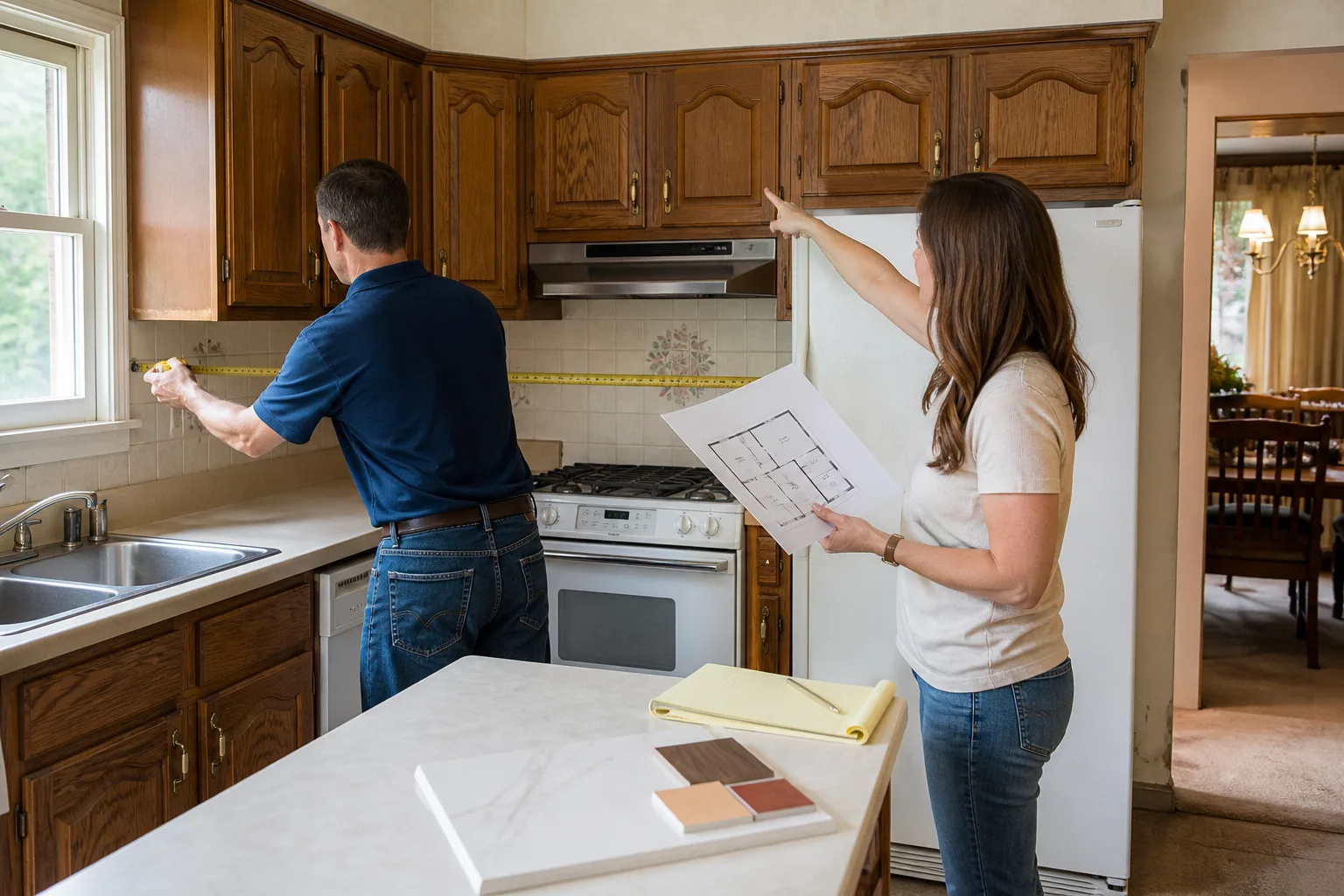
Free written scope consultation - allowances, timeline, and change-order rules on paper before a single trade is scheduled
How to Hire a Construction Contractor in Sacramento: A Step-by-Step Guide
California’s Contractors State License Board receives roughly 20,000 complaints every year, and the most common complaint category is work abandoned or left incomplete after a deposit. In nearly every one of those cases, the homeowner signed a contract without a written price and without a written completion standard. This guide walks you through how to hire a construction contractor in Sacramento the right way, so you get the project finished and the number you agreed to on day one is the number on the final invoice.
Styles & brands we work with


Quick Answer
To hire a construction contractor in Sacramento, verify the license on the CSLB website, confirm it shows “clear” status, get a written fixed price before any work starts, never pay more than 10% or $1,000 as a deposit (whichever is less), and require a written workmanship guarantee. If a contractor won’t put the price or the guarantee in writing, keep looking.
Table of Contents
- Step 1: Verify the Contractor’s License on the CSLB Portal
- Step 2: Understand California’s Legal Deposit Limit
- Step 3: The Walkthrough Questions That Reveal How You’ll Be Treated
- Step 4: How to Compare Bids That Aren’t Apples-to-Apples
- Step 5: What a Legitimate 365-Day Workmanship Guarantee Actually Looks Like
- Step 6: Contract Clauses That Should Stop You Cold
- Step 7: Sacramento-Specific Code, Climate, and Market Factors
- Common Mistakes to Avoid
- When to Call a Professional
- Frequently Asked Questions
- The Bottom Line
Step 1: Verify the Contractor’s License on the CSLB Portal
California is one of the few states with a fully public license verification system, and it’s the single most important tool you have when hiring a contractor in Sacramento. The CSLB (Contractors State License Board) maintains a searchable database at cslb.ca.gov. Here’s exactly how to use it, step by step.
- Go to cslb.ca.gov and click “Check a License.” You’ll need either the contractor’s license number or their business name. Every legitimate Sacramento contractor prints their license number on business cards, proposals, and vehicles. If a contractor hesitates to give you their number, that’s your first red flag.
- Read the license status carefully. “Clear” means the license is active and in good standing. “Suspended” means the contractor cannot legally work in California until the suspension is resolved, often because of unpaid judgments, failed bonds, or worker’s compensation issues. “Revoked” is exactly what it sounds like. “Expired” means the license lapsed and the contractor is operating illegally.
- Check the classification. The CSLB issues licenses by trade. A “B” license covers general building contractors, which is what you want for a kitchen remodeling project in Sacramento or a whole-home renovation. A “C” license is for specialty trades like plumbing or electrical. Make sure the classification matches the scope of work.
- Look at the license history. The CSLB lists complaints, citations, and arbitration awards. A single old complaint may mean little, but a pattern of unresolved issues tells you everything you need to know.
- Confirm the bond is active. The CSLB requires contractors to carry a $25,000 contractor’s bond (or $15,000 for some classifications, depending on revenue). This bond protects you if the contractor violates state contracting law. If the bond is canceled, the license suspends automatically.
At Penhallow Remodeling, we’re part of the Kingswell family of companies operating to The Kingswell Way since 2004. We tell every homeowner to run the license check on us. It takes two minutes, and you should never skip it, no matter how good the referral was.
Step 2: Understand California’s Legal Deposit Limit
California law caps the down payment for home improvement work at 10% of the total project cost or $1,000, whichever is less. That’s Business and Professions Code 7159, and it applies to every residential project in Sacramento. Any contractor asking for more than that before work starts is either unaware of the law (which tells you something) or deliberately breaking it (which tells you more).
This is the rule homeowners get burned on most often. A contractor quotes $40,000 for a bathroom remodel in Sacramento, then asks for $8,000 to “secure materials.” That’s 20% of the project, and it’s illegal. The legal maximum is $1,000 on a $40,000 job until work has begun and materials are on site.
Here’s the other side of that coin: a contractor who follows the deposit cap has almost certainly been around long enough to know the law, and that’s the kind of contractor you want. When we put a written price in front of a Sacramento homeowner, the deposit line is never a surprise. Say the price before the work. Show up in the window we gave. Leave the place cleaner than we found it. That’s The Kingswell Way.
Step 3: The Walkthrough Questions That Reveal How You’ll Be Treated
Most hiring guides tell you to ask for references. That’s fine. But references are curated. The walkthrough is where you’ll get the real signal, and the questions you ask matter less than how the contractor answers them. Here are the questions to ask during the initial walkthrough, and what the answers tell you.
- “How do you price your work?” The answer you want is some version of “we write a fixed price and that’s what you pay.” The answer that should concern you is “we give you a ballpark in the proposal and adjust as we go.” In our experience in Sacramento, “ballpark” is a five-letter word for “this number will grow.”
- “What happens if the price changes during the job?” The right answer: “It doesn’t, unless you change the scope, and we’ll put every change order in writing with a price you approve before we do it.” The wrong answer: “We’ll figure it out if we hit something.”
- “Who will be in my house every day?” You want a named project lead, not “whoever’s available.” At Penhallow Remodeling, every technician on your Sacramento job is background-checked and arrives in uniform. You know exactly who is walking through your door, every time.
- “What’s your warranty in writing?” If the contractor says “we stand behind our work” but can’t show you a written guarantee, you have a verbal promise. Verbal promises don’t hold up six months later when the tile cracks.
- “How do you handle the permit?” The right answer is “we pull it, and we’ll include the permit fees in your written price.” Any contractor who suggests you pull the permit yourself on a significant remodel is offloading a legal obligation onto you. In Sacramento, the city requires permits for structural changes, electrical, plumbing, and most remodel work beyond cosmetic finishes.
One more thing during the walkthrough: notice whether the contractor checks the substrate. That’s the layer behind your tile or under your floor. If they look under the sink, check the floor joists, and ask about your water pressure, they’re doing the job right. If they walk around with a clipboard and talk only about finishes, you’re getting a sales pitch, not a project plan.
Step 4: How to Compare Bids That Aren’t Apples-to-Apples
Two bids for the same kitchen can differ by $20,000, and in most cases, the difference is in the scope language, not in greed. When you’re comparing contractor bids in Sacramento, you need a framework for reading what’s actually in each proposal. Here’s the plain-language way to do it.
Every solid proposal covers four categories:
- Demolition and prep. Does the bid include tearing out the old material, hauling it away, and prepping the surface? A bid that skips demo will come back as a change order on day two.
- Materials with named brands. A bid that says “quartz countertop” is not the same as one that says “Cambria quartz, color Brittanica, with a standard eased edge.” Named materials are checkable. We specify the brands we install, like Kohler or Moen fixtures and Delta hardware, so a homeowner can verify exactly what they’re paying for.
- Labor and rough-in. Does the bid include plumbing rough-in, electrical, and framing? If the scope says “install vanity” but doesn’t mention the water lines, prepare for a surprise invoice.
- Finish and cleanup. Will the contractor patch the drywall, paint to the line, and haul away the debris? “Finish” is a word that hides a lot of missing scope.
Here’s a simple test: read each bid and underline every noun that names a thing that will exist when the job is done. Count the underlined items. The bid with more specificity is the one you can hold a contractor to. The bid with vague language is the one that will grow.
When a homeowner asks us to compare a Penhallow proposal against a lower bid, we tell them to check three things: whether the other bid includes the permit, whether it names the material brands, and whether the warranty is written on the proposal or just spoken. Usually, that answers the question.
Step 5: What a Legitimate 365-Day Workmanship Guarantee Actually Looks Like
“We stand behind our work” is the most common sentence in contracting and the most worthless. A real workmanship guarantee is written, specific, and tells you exactly what happens when something fails. Here’s what to look for.
A legitimate 365-day workmanship guarantee includes:
- What’s covered. Specific language about workmanship: tile not cracking, cabinets staying level, plumbing not leaking, paint not peeling. If the guarantee doesn’t define what’s covered, you’ll spend your claim arguing about definitions.
- How long it lasts. A specific number of days, not “as long as you own the home.” “As long as you own the home” only works if the company still exists and still honors it, and there’s no enforcement mechanism.
- What happens if something fails. The guarantee should say the contractor returns and fixes it at no charge. No service call fee, no re-inspection fee, no prorated nonsense.
- Who you call. A live phone number that a person answers, not a voicemail box.
At Penhallow Remodeling, the 365-Day Done Right Promise is printed on every project we do in Sacramento. If the work fails inside the guarantee period, we come back and fix it at no charge, and every repair includes a written guarantee. If a repair fails, the second visit is free. Those are not marketing sentences. They’re contract terms.
The other layer to understand is the manufacturer’s warranty on materials. We install Cambria quartz, Kohler fixtures, and Moen faucets because those brands carry their own warranties alongside ours. That’s two layers of protection, and a good contractor in Sacramento should be able to name both.
Step 6: Contract Clauses That Should Stop You Cold
Before you sign anything in Sacramento, read the contract twice. Specifically, look for these clauses. Each one is a known pattern in California contractor complaints.
- “Payment schedule: 50% due before work begins.” As covered above, this violates California’s deposit cap. Full stop.
- “Allowance” clauses with no exit. An allowance is a placeholder for a material you haven’t picked yet, like tile or fixtures. Allowances are normal, but the contract should say what happens if you choose a product over the allowance and how that overage will be priced. If it doesn’t, the allowance is a blank check.
- “Changes will be billed at time and materials with no prior approval.” This clause means the contractor can spend your money without asking. Legitimate contracts require a written change order with a price you approve before the work is done.
- No completion date or schedule. A contract with no timeline is a contract you can’t enforce. In Sacramento, where the remodel season runs heavy through summer and fall, an unbounded schedule can mean months of a torn-apart kitchen.
- “The contractor is not responsible for damage to existing finishes.” That’s an open invitation to careless demolition. The contractor is responsible for protecting your floors, your walls, and your landscaping during the job.
- No written warranty language. If the guarantee is not in the contract, it does not exist. Ask the contractor to add it in writing before you sign.
None of this is paranoia. It’s the difference between hiring a contractor and being financially exposed to one. The homeowners we work with in Sacramento have usually been through at least one bad experience before they call us, and the pattern is always the same: a verbal estimate, a big deposit, and a written contract that protected the contractor, not the homeowner.
Step 7: Sacramento-Specific Code, Climate, and Market Factors
Hiring a contractor in Sacramento is different from hiring one in, say, coastal California, and the differences matter. For a deeper look at local conditions, see our Seasonal Construction Care for Sacramento: Year-Round Homeowner’s Guide. Here’s what you need to know about our market specifically.
Climate. Sacramento’s hot, dry summers put real stress on wood framing, stucco, and composite materials. In neighborhoods like Land Park and East Sacramento, the older housing stock (much of it built in the 1930s through 1960s) has settled over decades, which means walls are rarely square and floor joists have moved. A contractor who doesn’t work regularly in Sacramento’s older neighborhoods won’t know how to handle that. We see cracked plaster, sloped floors, and outdated electrical in Sacramento homes every week, and that’s normal for the area, not a reason to panic. It is a reason to hire someone who knows the housing stock.
Code. Sacramento enforces the California Building Standards Code, which is stricter than national code on seismic bracing, water conservation, and energy efficiency. For example, Title 24 requires specific levels of insulation and HVAC efficiency on any remodel that touches an exterior wall or replaces windows. Your contractor should know this without being told, and the permit fees should be in the written price. If a contractor says “you don’t need a permit for this,” on a significant remodel, get a second opinion. The general contractor in Sacramento you hire absorbs the permit process, that’s part of the job.
Market. Sacramento’s remodel market has been running hot for years, driven by migration from the Bay Area and comparatively reasonable home prices in areas like Natomas, Elk Grove, and Folsom. That means demand is high, and high demand attracts contractors who couldn’t survive in a slower market. The verification steps in this guide matter more here, not less.
Common Mistakes to Avoid
- Skipping the CSLB check because the referral was strong. Referrals are great, but they’re a sample of one. The CSLB database has the full history. Run it. It takes two minutes.
- Taking a verbal estimate as a final price. In Sacramento, a verbal price is a conversation, not a contract. If it’s not written, it doesn’t exist.
- Paying more than the legal deposit limit. $1,000 or 10%, whichever is less. If a contractor asks for more before work starts, walk away.
- Choosing the lowest bid without reading the scope. The low bid is often the one that left out the permit, the demo, or the finish work. Read the scope before you compare the number.
- Signing a contract with no written warranty. A verbal promise to “make it right” is worth exactly zero when the work fails in month nine.
- Not checking references for work completed more than a year ago. Fresh references show the honeymoon. Old references show whether the work held up.
- Allowing work to start without a written schedule. No schedule means no leverage. Get the timeline in writing, including start date and projected completion.
When to Call a Professional
You should hire a licensed professional for any project that involves structural changes, electrical, plumbing, or gas lines. That covers kitchen remodels, bathroom remodels, load-bearing wall removal, and whole-home renovations. These projects require permits, inspections, and work that is dangerous to get wrong. A kitchen remodel that overloads a circuit or a bathroom with an improperly vented exhaust fan creates real hazards. The same applies to anything involving water lines behind walls, a mistake there can destroy your framing and your floor before you even see the leak.
If you’re in Sacramento and ready to talk about a remodel, Penhallow Remodeling Sacramento offers free estimates. Call (279) 300-1177 to schedule one. We’ll give you a written price before any work starts, and a written guarantee with every project.
Frequently Asked Questions
Go to cslb.ca.gov, click “Check a License,” and enter the contractor’s name or license number. Confirm the status shows “clear,” not “suspended” or “expired,” and check the classification matches your project type. A general building contractor (B license) covers remodels and additions. Call (279) 300-1177 if you want to verify Penhallow’s license and talk through a project.
California law caps the deposit for home improvement work at 10% of the total project cost or $1,000, whichever is less. On a $40,000 kitchen remodel, the legal maximum deposit is $1,000. Any contractor asking for more before work starts is violating Business and Professions Code 7159.
A kitchen remodel in Sacramento typically ranges from $18,000 to $55,000, with cabinetry, countertop material, and layout changes driving most of the variance. For a full breakdown, see our Construction Cost Breakdown: The Sacramento Homeowner’s Reference for 2026. Stock cabinets and a modest layout change sit at the lower end; custom cabinetry, Cambria or Silestone quartz, and structural changes push toward the top. Call (279) 300-1177 for an exact written quote, estimates are free.
Yes, if the remodel touches plumbing, electrical, or structural components. Cosmetic changes like paint and hardware don’t need a permit, but moving a drain line, adding a circuit, or altering a wall does. Sacramento enforces the California Building Standards Code, and your contractor should pull the permit and include the fees in your written price.
A legitimate workmanship guarantee includes what’s covered (tile, cabinetry, plumbing, paint), how long it lasts (a specific number of days, like 365), what happens if something fails (a return visit at no charge), and who to call (a live person). If the guarantee is not in writing on the contract, it doesn’t exist. Penhallow’s 365-Day Done Right Promise is printed on every project, and a failed repair gets a free second visit. Call (279) 300-1177 for details.
It shouldn’t, unless you change the scope of the project. A legitimate contractor puts a written fixed price in front of you before work begins and only adjusts it with a written change order that you approve. If a contractor tells you the price will “adjust as we go,” that’s not a fixed price, and you should get everything in writing before signing.
The Bottom Line
Hiring a construction contractor in Sacramento comes down to three disciplines: verify, get it in writing, and don’t pay more than the law allows. Verify the license on the CSLB portal and confirm the status is clear. Get a written price with named materials and a written scope before any work starts. Never pay more than $1,000 or 10% as a deposit. Require a written workmanship guarantee with specific terms, and confirm it’s printed on the contract itself. Do those things, and you’ve eliminated the conditions that produce nearly every contractor complaint in California. For The Complete Guide to Construction in Sacramento, explore our other resources. Skip them, and you’re betting on luck.
Written by Trevor Nash, Owner at Penhallow Remodeling Sacramento, serving Sacramento since 2004.
See the difference
 Before
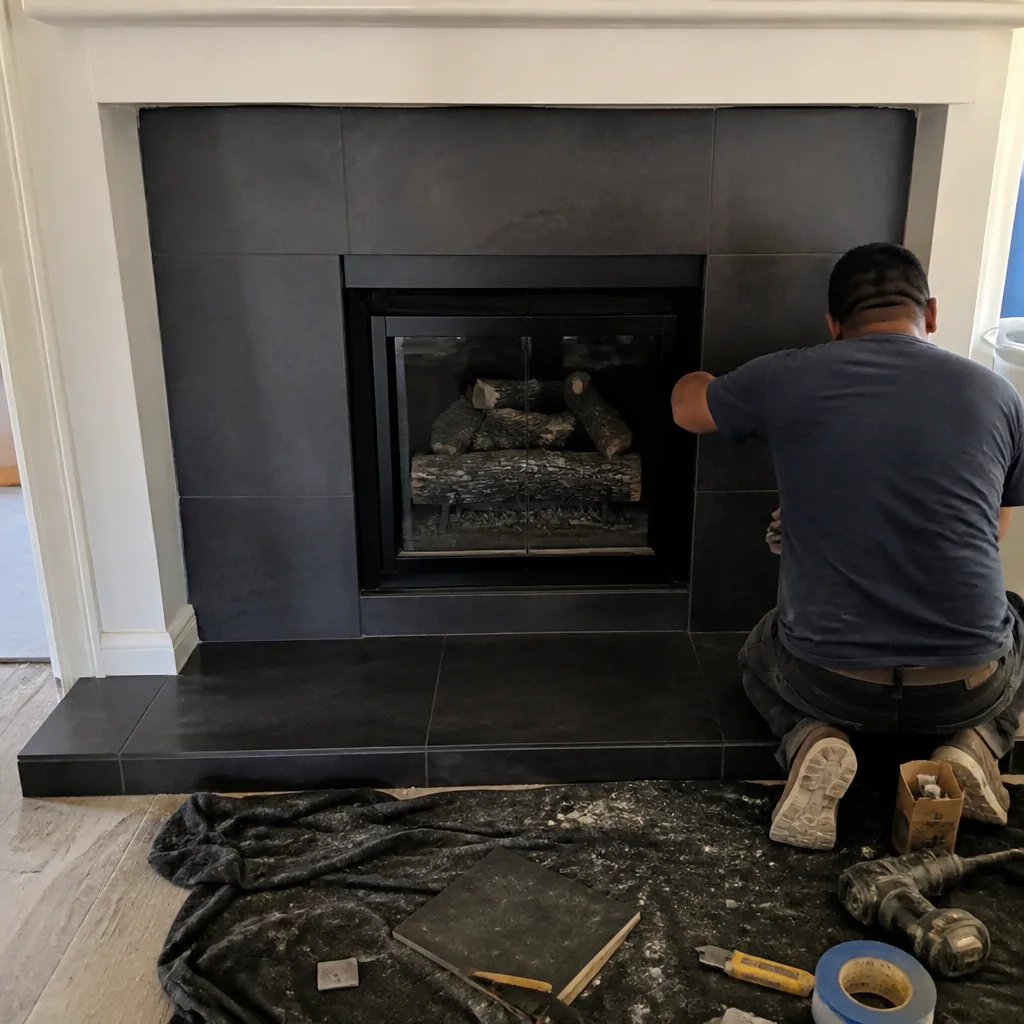 After
After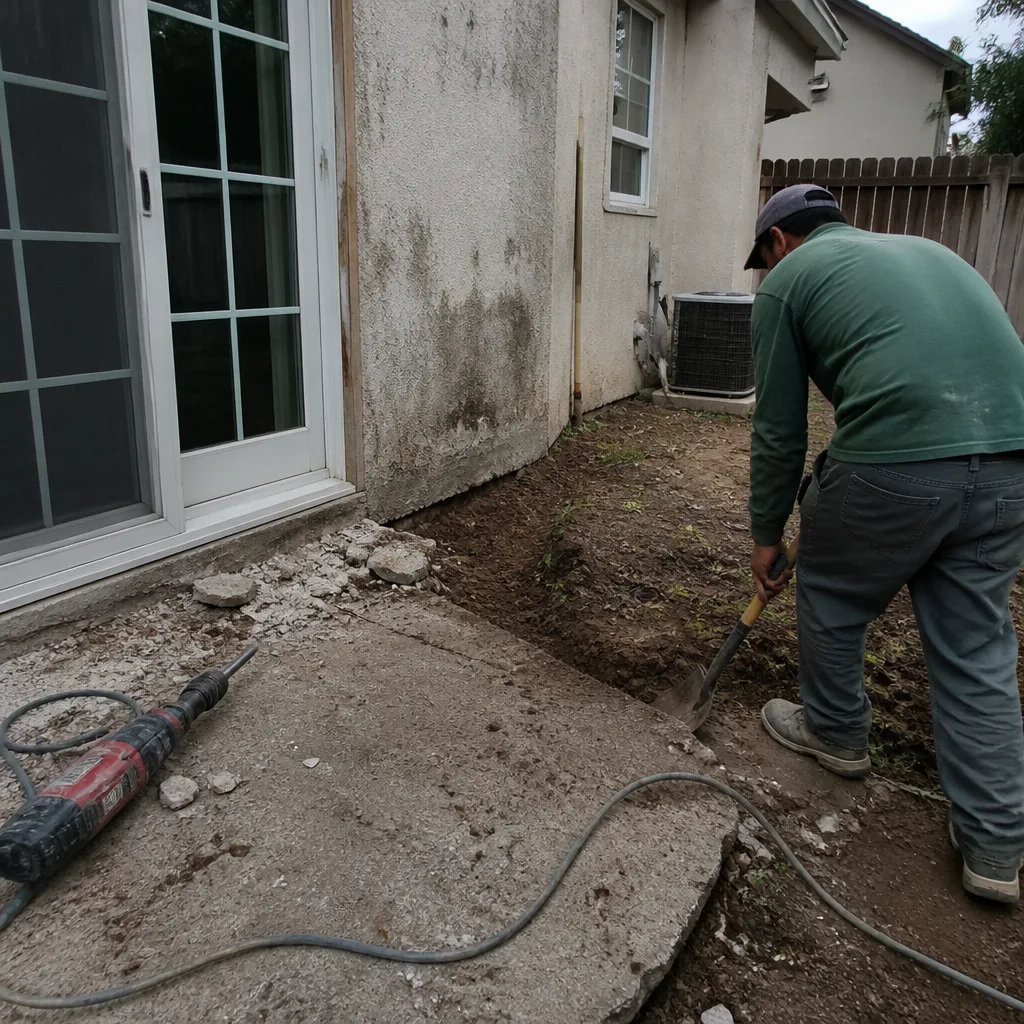 Before
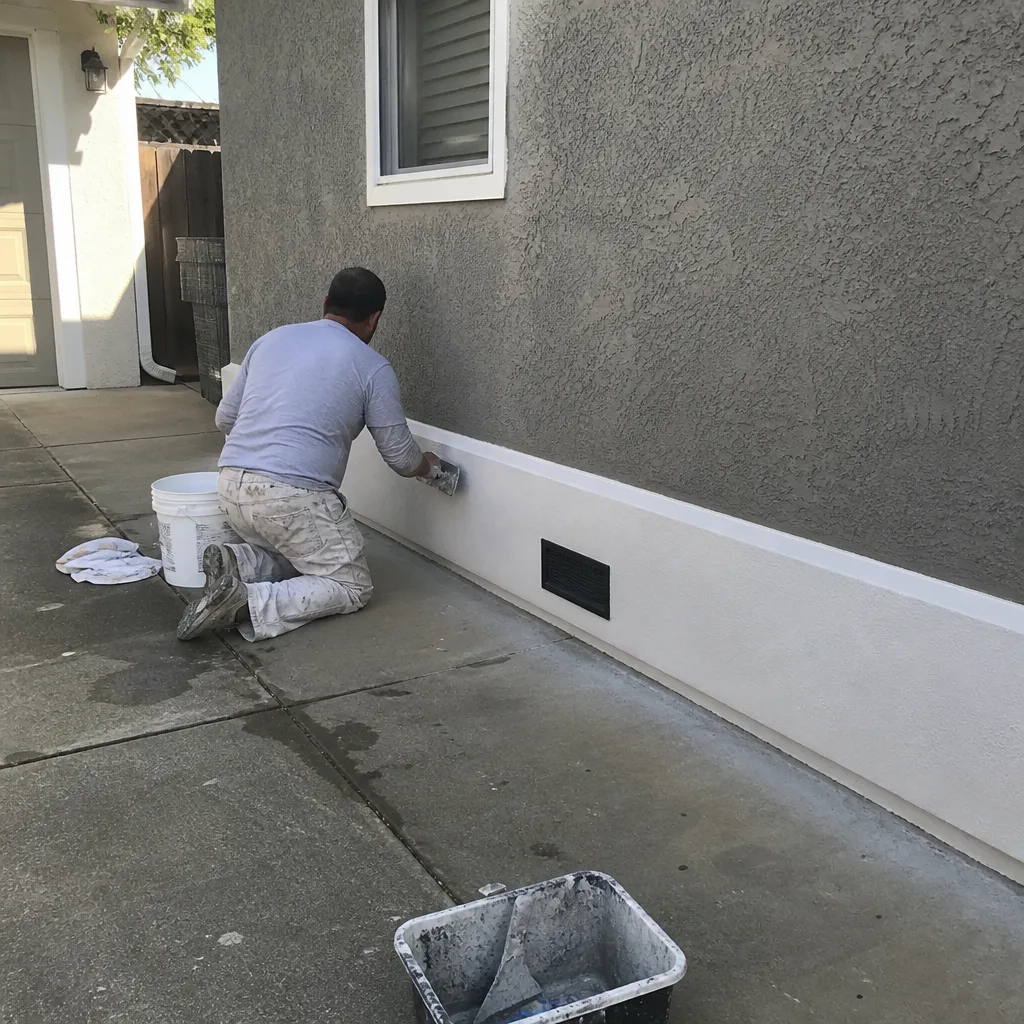 After
After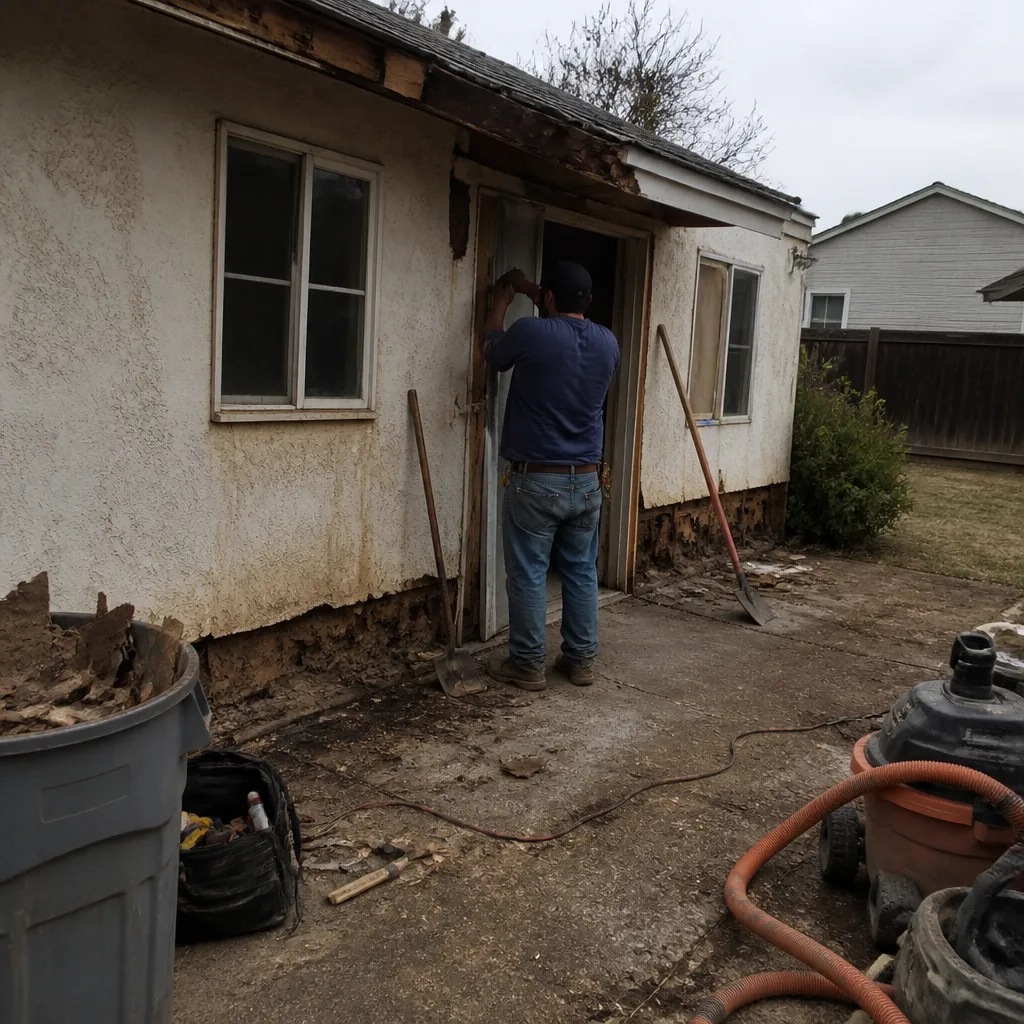 Before
 After
After